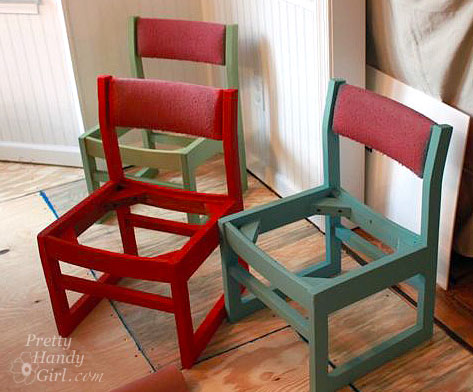
pair of this end up chairs recovered

This DIY reupholster chair tutorial features a This End Up chair. You can follow the same basic steps to recover and renew similar chairs.


As a parent of two elementary school students, I always ask my kids’ teachers if they need anything for their room. Usually the answer is markers, wipes, or snacks.

But, my kindergartner’s teacher knows about my secret identity after having taught my older son for a year.

So, she didn’t hesitate to ask me if I could possibly recover a few really sad looking chairs that had seen their fair share of kindergarten butts. 😉

(I’ve included affiliate links for your convenience. I earn a small percentage from a purchase using these links. There is no additional cost to you. You can read more about affiliate links here.)


before image of this end up chair

How to Reupholster This End Up Chairs (a Simple DIY)

These poor chairs were still very study and in good shape, but the fabric was nubby, pilled, stained, and not in good condition.

I love a good challenge, especially with a solid piece of furniture, so I took all three of the chairs home over the Christmas break for my next DIY project.

I knew I could give these chairs new life. The first step involved removing the seats and the old upholstery fabric.

Before I touched the seats, I flipped over the chairs and marked the front side of the chair so they would fit together perfectly when I put them back together.
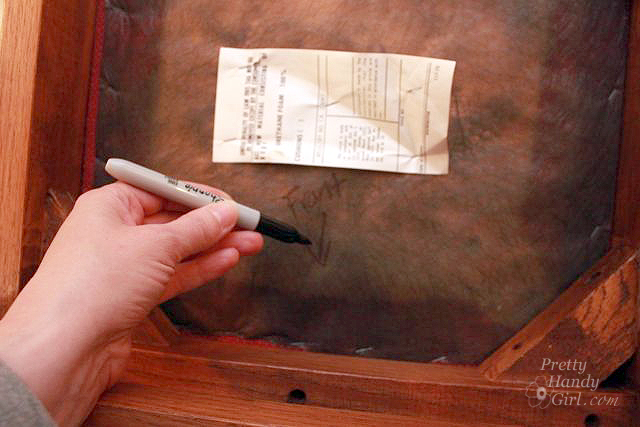
mark_front_of_chair

Next I removed all the screws securing the chair seat to the frame of the chair (all six of them.)

turn chair upside down and look for screw locations

Because of the construction of these chairs, I found it necessary to use a longer bit on my drill to get into each hole.

upside down chair and drill removing screw from under seat cushion on a chair

I pried off the piping from the seat backs with a 5-in-1 painter’s tool and needle-nosed pliers. Then removed the old fabric and old foam.

prying old piping off a this end up chair back

After the seats were removed, each chair got a good cleaning, a little sanding and then a couple coats of Miss Mustard Seed Milk Paint (colors used: tricycle and luckett’s green) and the blue one was chalk painted.

I used the bonding agent with the milk paint to make sure the paint would stick to the chairs.

three this end up style chairs with a new coat of paint in red, green, and blue

Finally, the chairs each got two coats of Minwax Polycrylic because those kindergartners are tough on furniture and this is a great way to give them a bit more protection.

adding a top coat of polycrylic over the red painted chair frame

Now on to the fun part!

How to Reupholster This End Up Style Chairs:

You can pick up the supplies at Home Depot, Lowe’s, or your local craft store.

Materials:

(I’ve included affiliate links for your convenience. I earn a small percentage from a purchase using these links. There is no additional cost to you. You can read more about affiliate links here.)

tools used to refinish the chairs
spoonflower space themed fabric for recovering the chairs

I let my son’s teacher to pick out new fabric from one of my favorite fabric sources, Spoonflower.com.

Not only do they have loads of designs to choose from, but you can also upload your own graphics and create your own custom fabric!

You can also check out your local fabric store.

She picked out adorable space themed patterned fabric: Rocketship fabric and Space Fireworks fabric.

With a primary color palette, they are the perfect fabric choice for a kindergarten classroom.

Instructions:

Cut out fabric, oil-cloth (optional), and any additional batting a few inches larger than the bottom of the chair seat.

The great thing about this project is no sewing machine is needed for this upholstery project.

cut fabric, oil cloth, and batting to larger size than original cushion

Layer the new pieces of fabric face down on the floor. then the oil-cloth next (I put the oil-cloth face up so the fuzzy back side would be against the fabric to keep it from feeling too crinkly.)

Cut a square out of each corner about 1″ from the seat cushion corner.

cut out corners of fabric and batting before folding

Staple one staple into the center of each side. Work across form each other, gently stretching the fabric taut.

Staple fabric onto seat backing in this order. top, bottom, side, and side

Add more staples along each side.

bottom of chair with new fabric stapled to it.

Corners are neatly folded and then stapled to secure them. Hammer any staples that didn’t go completely into the bottom of the seat.

fold over fabric corners on seat cushion then staple

Re-attach the seat to the chair frame by replacing all the screws.

attach the seat bottom with screws driven from the underside

Flip the chair right side up and follow these steps:

  1. Layer batting, then fabric over the chair back. Trim the batting to fit perfectly on the back of the chair.
  2. Cut the fabric about an inch wider on the two sides and the bottom. Fold under the raw edges of the fabric.
  3. Secure the fabric to the chair back by stapling at the top of both sides first.
adding new batting to the chair back, cutting fabric to fit over batting, and stapling the top of the back to hold fabric in place

Next put a few staples into the bottom of the seat back (hidden from view.)

staple fabric from the underside of the chair back

Continue stapling the fabric to the chair along the sides. 

Set your staples as close to the frame as possible so the piping will hide your staples later.

Hammer any staples that stick up.

Add staples to the ends of the seat back.

If you haven’t done so already, make your piping.

The easiest way to do that is to sew your piping following this tutorial. Trim the excess fabric from the piping.

cut excess piping

Peel back the ends of the piping fabric to expose about an inch of the rope inside. Cut the rope.

Then fold the fabric back and tuck the raw edges inside. This will give you a flat section at the end of your piping.

roll back edge, cut excess rope, fold edge of piping
  1. Staple this flat end to the underside of the chair back.
  2. Spread some hot glue on top of the staples along the side of the chair back.
  3. Pull the piping taut and press it into the hot glue.
  4. Secure the end of the piping with hot glue and a staple.
staple, hot glue, and press piping onto chair back. Finish with a dab of hot glue underneath


Secure the piping to the opposite side using the same method. Follow the same tutorial for the second chair.

Refinished chair close up seat back with piping

That’s it! Check out this sweet new chair!

one red refurbished this end up style chair with red frame and space fabric

Would you know that it was the same chair if I hadn’t shown you?

BEFORE:

worn and nubby seat this end up chair

AFTER:

close up seat cushion of a this end up style chair

Good, let’s keep it our little secret ;-).

The next time you see an outdated chair at the thrift store, consider giving it a new look with this easy blog post tutorial.

There is no need for a professional upholsterer. Give it a try. You will be amazed at just how easy it is. Good luck!

The new chairs were such a big hit with the kids. They all rushed to be the first to sit on them.

I think their teacher was happy with the finished product too.

happy teacher posing with a refinished chair

It’s a happy trio of kindergarten chairs!

three this end up style chairs refinished with colorful frames and space themed fabric

PHGFancySign

Pin this image to save for later or share with a friend:

How to Refurbish Old chairs

You might also like this chair makeover with a video tutorial on my YouTube channel:

How to Easily Reupholster Your Chairs | Pretty Handy Girl


Pin for later!

How to Refinish old chairs

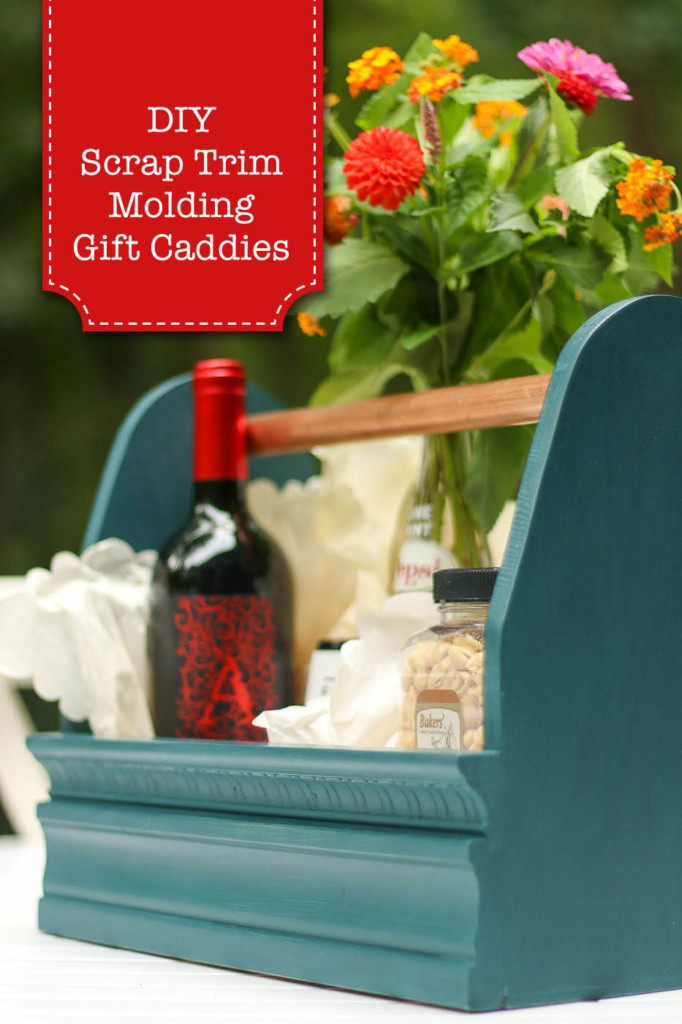
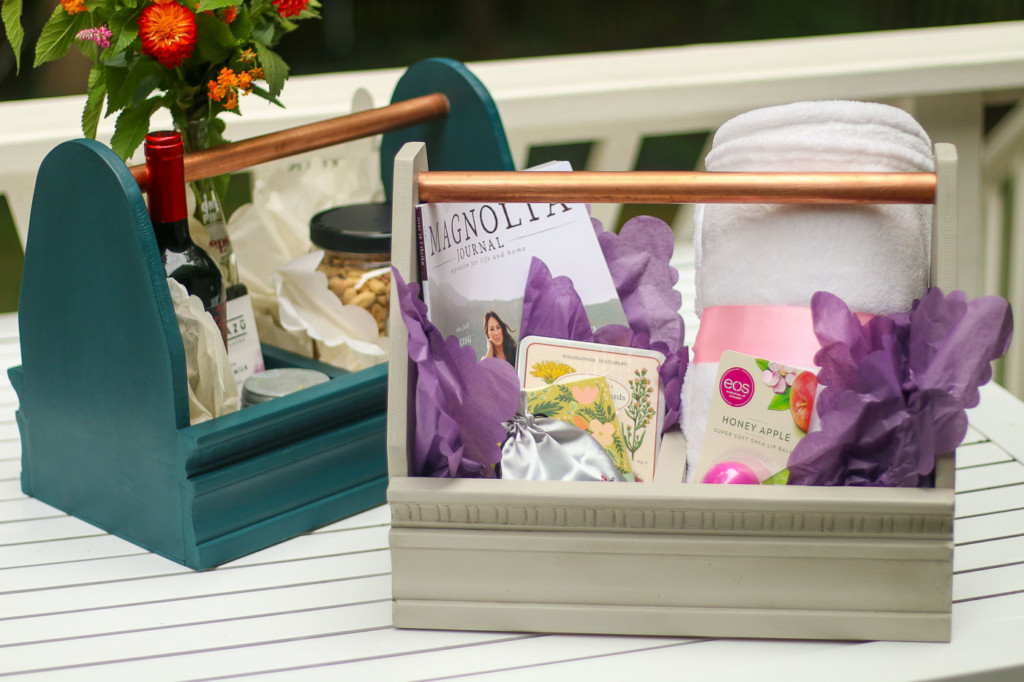
DIY gift caddies made from scrap trim is a great way to create an inexpensive gift basket AND use up all those little pieces of scrap trim in your wood pile.

DIY Gift Caddies using Scrap Molding

Christmas is a few weeks away and I don’t feel like going shopping in the mall. I’m not really sure what to get everybody. But, after mulling over all the scrap trim in my scrap wood pile, I came up with a genius plan. Gift baskets are always a winning idea for anyone on your list because they can be filled with a variety of gifts in a theme. Fill these caddies with anything you like, but be sure to leave me a comment letting me know what you included in your gift caddies!

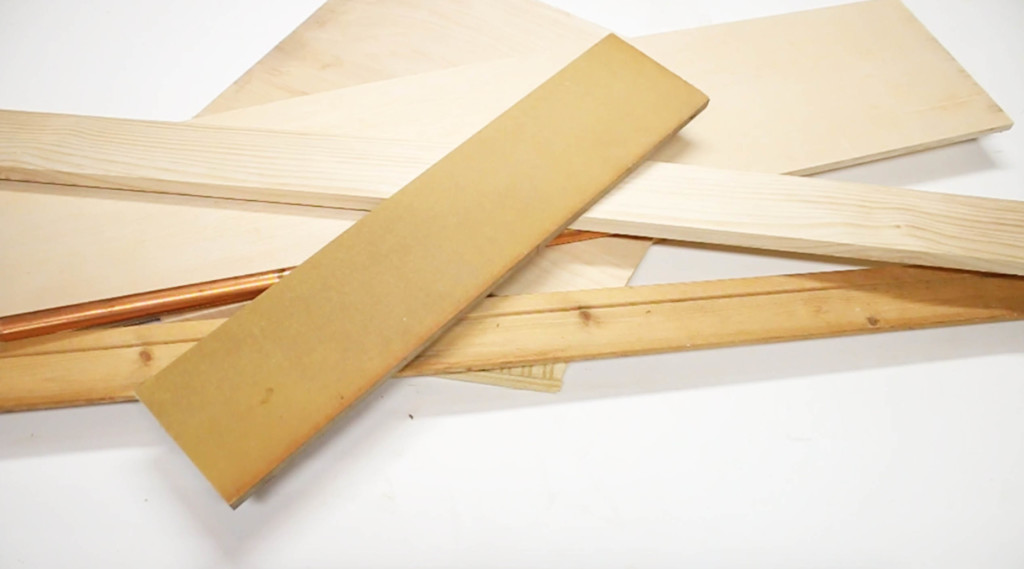
Ready to get started? Let’s turn this scrap wood pile into…

… beautiful DIY gift caddies!

Gather these materials and tools and then we can get building!

Materials &  Tools:

(I’ve included affiliate links for your convenience. I earn a small percentage from a purchase using these links. There is no additional cost to you. You can read more about affiliate links here.)

Protective Equipment:

Materials:

Tools:

Cut List:

If you need tips for cutting metal pipe, click here to see how easy it is to cut metal pipes by hand or watch my video:

Scrap Trim Ideas:

You can use any scrap trim molding you have on hand. For a simple caddy, use flat door casing or door stop. For a more decorative look, use trim with more details. No scrap trim? No problem! At Home Depot, you can purchase trim by the linear foot, so feel free to head over there and purchase a 3 foot section of decorative trim for your 18″ long caddy.

You’ll probably want to steer clear of polystyrene trim since it’s not as strong, nails will go right through it, and wood glue generally won’t hold it firmly.

Instructions:

To start this project, cut your wood from the cut list above. Definitely watch my video to learn how to make these simple DIY Gift Caddies using Scrap Molding!

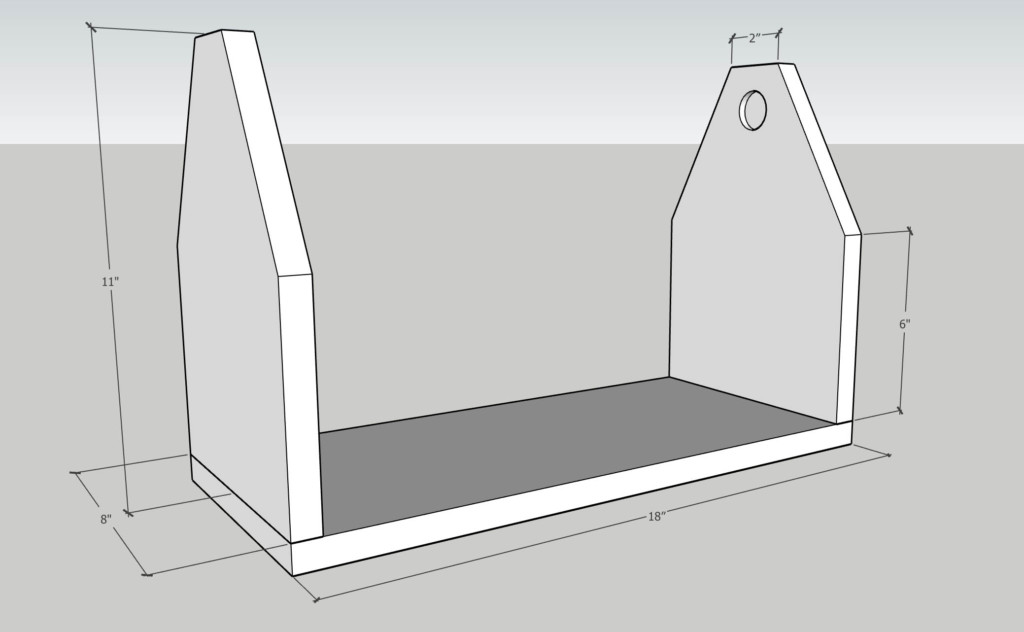
The base of my gift caddy is  8” x 18”, but feel free to make your caddy a custom size based on your scraps or your gifts.

Cutting the top of the sides:

You can curve the top of your caddy by tracing the perimeter of a paint can or another round object.

Make Your Own Street Sign | Pretty Handy Girl

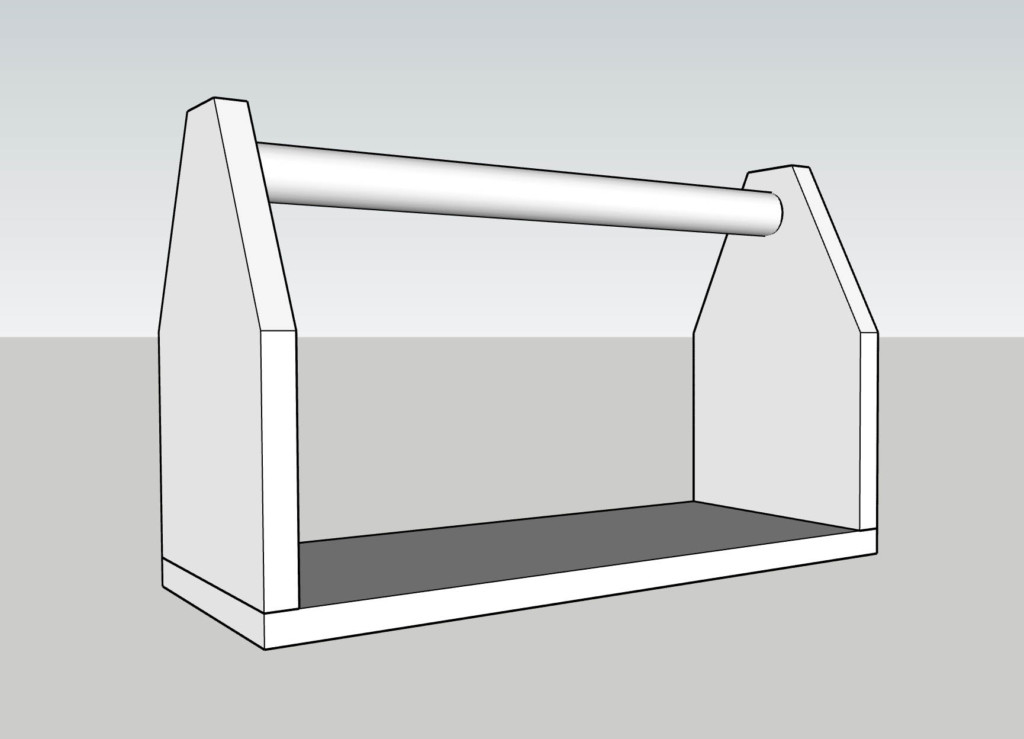
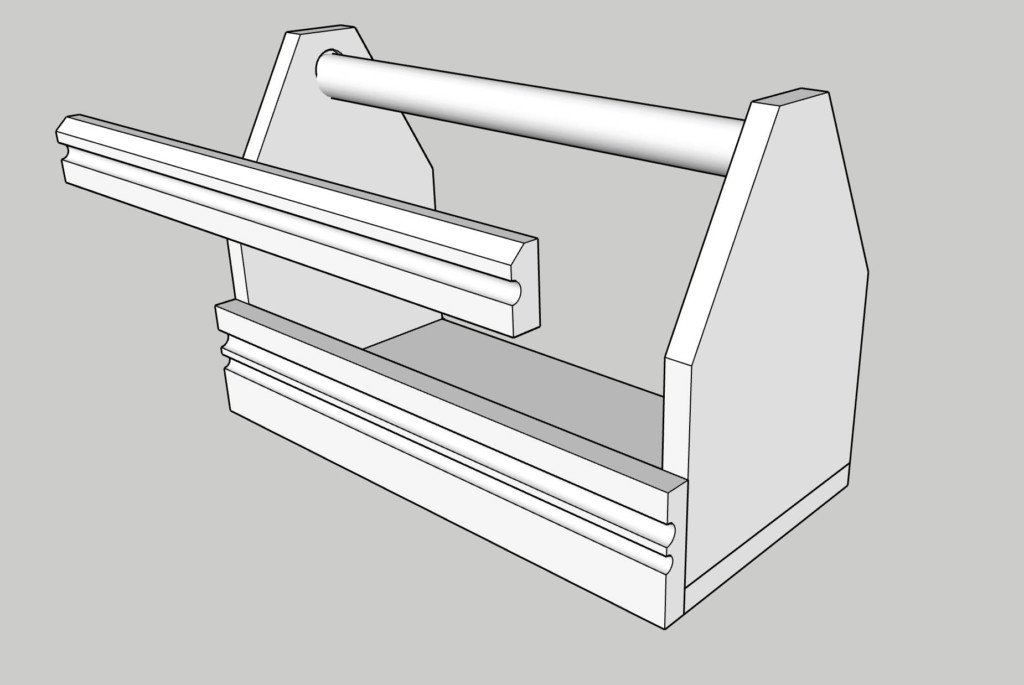
Alternatively, you can cut straight angles off the top corners as shown in the diagram below. Simply mark off two inches at the top of the sides. Then make an angled line down to the location where your trim starts on the sides.

Cut the top profiles using a band saw or jigsaw. If you don’t have either, you can use a coping saw.

Sand off any rough edges from your plywood pieces using a sander.

Adding Scrap Trim:

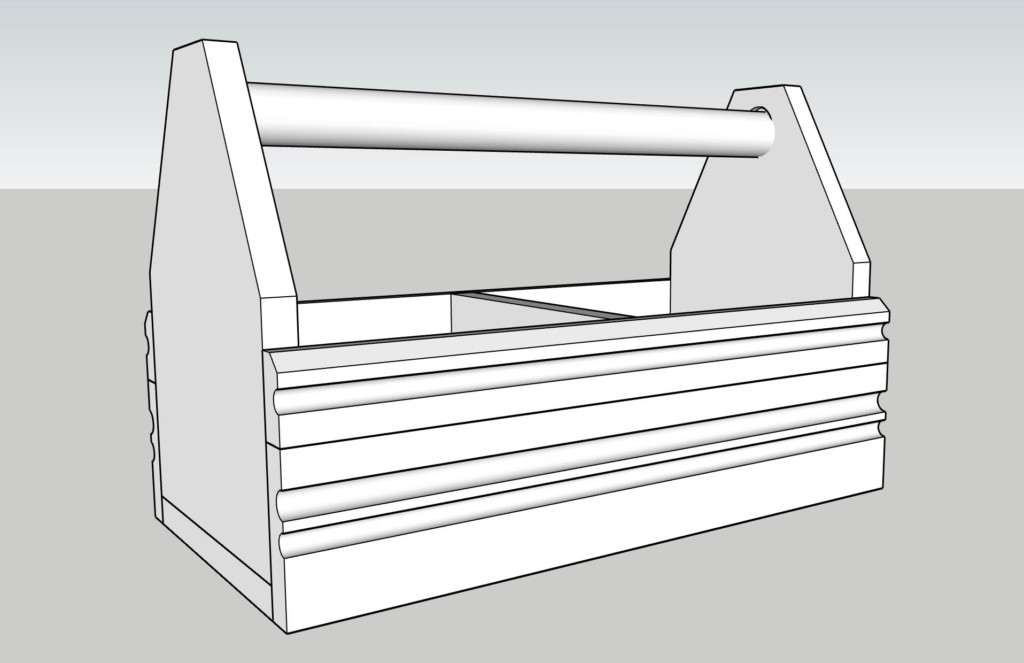
Now it’s time to use all your fabulous scrap trim. You can use whatever trim you have laying around, there are no rules. I chose a piece of door trim and some decorative egg and dart trim for this caddy.

Cut your molding to 18” (the same length as the base).

Caddy Handles:

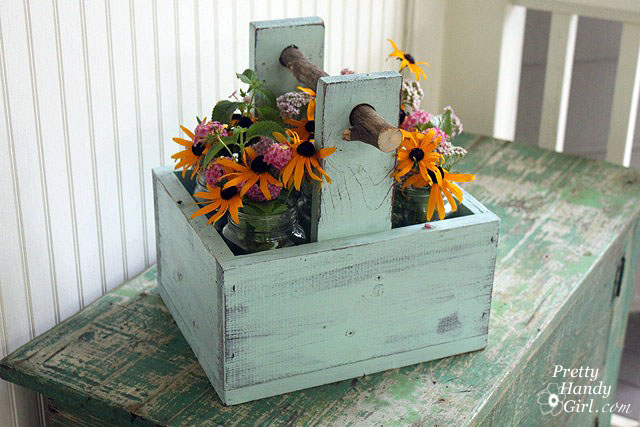
For the caddy handle, I happened to have some copper pipe in my scrap pile, but you can use a dowel, old closet rod, or even a branch like I used on this caddy.

rustic-wooden-caddy-with-branch-handle

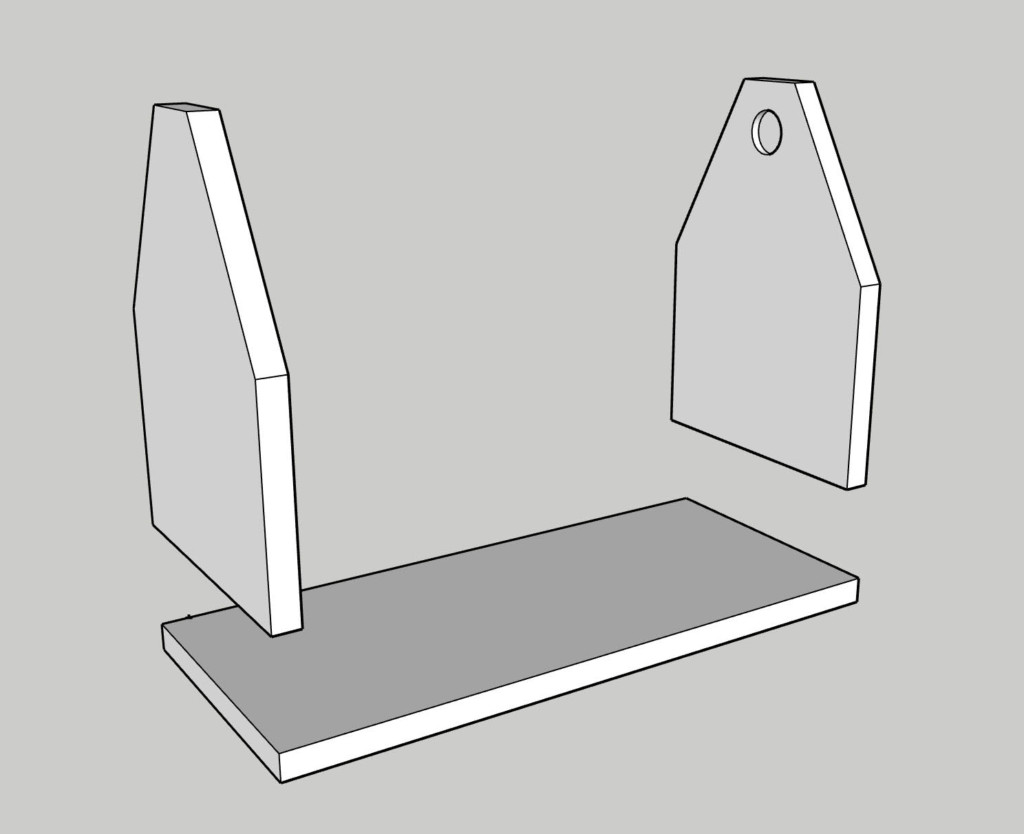
Use a forstner bit the same width as your handle to drill halfway into the caddy sides. (For the branch, you might want to drill completely through the sides.) The 3/4″ copper pipe is equal to a 7/8″ forstner bit.

Dry fit the handle into the sides. You’ll need to measure to make sure the width of your caddy is the same at the top and bottom. You might have to drill a little deeper into the sides until the top is equal to the bottom when the handle is fitted into the holes.

Assemble the Caddy:

Run a bead of glue along each end of your base. Then set the sides on top of the base.

To secure the handle, add a bunch of construction adhesive into the holes you drilled into the sides.

Assemble the caddy. Clean up any glue squeeze-out. Flip your caddy onto its side and secure the base into the sides with several brad nails.

To secure the scrap trim sides. Use more wood glue along the edges of the side pieces. Then set the trim in place and secure it with a few more nails. Wipe off any glue squeeze-out.

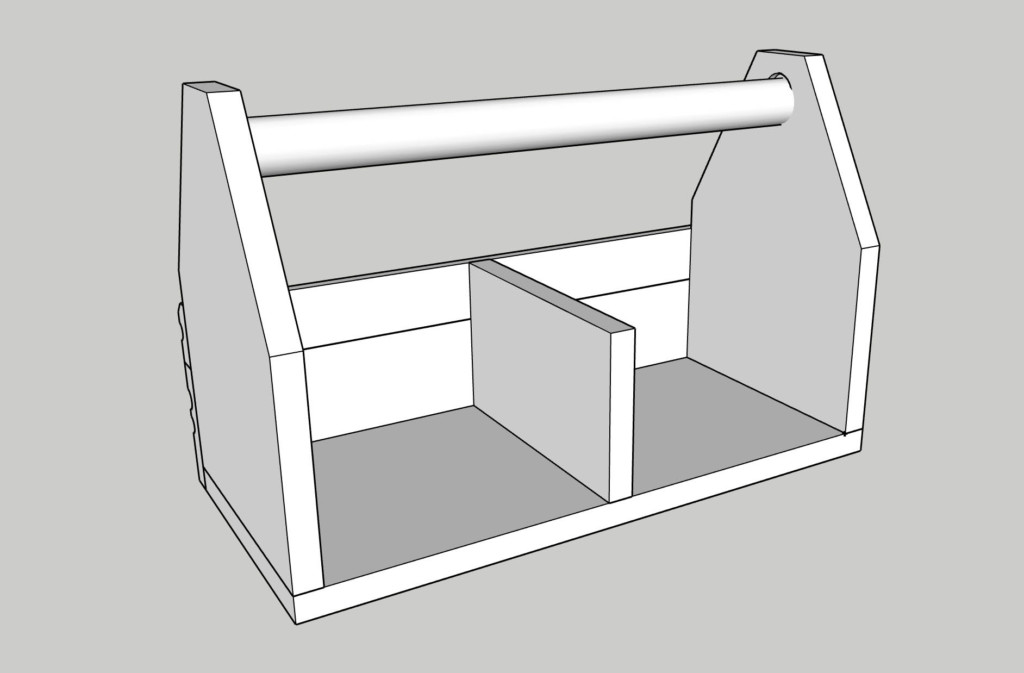
This next step is truly optional. I like to add a divider in larger caddies. If you want to do the same, cut a piece of one-by to fit inside the caddy. Add some wood glue onto the bottom and sides of the divider, then set it in place.

Finish off the caddy build by adding trim to the other side. Secure the trim and divider with nails.

Finishing the Caddy:

Use a wood putty to fill in the gaps and nail holes. After the wood putty dries, sand it smooth.

Paint or stain the caddy in the color of your choice. Finish the caddy with polyurethane or wax to protect it.

Fill Your Gift Caddy:

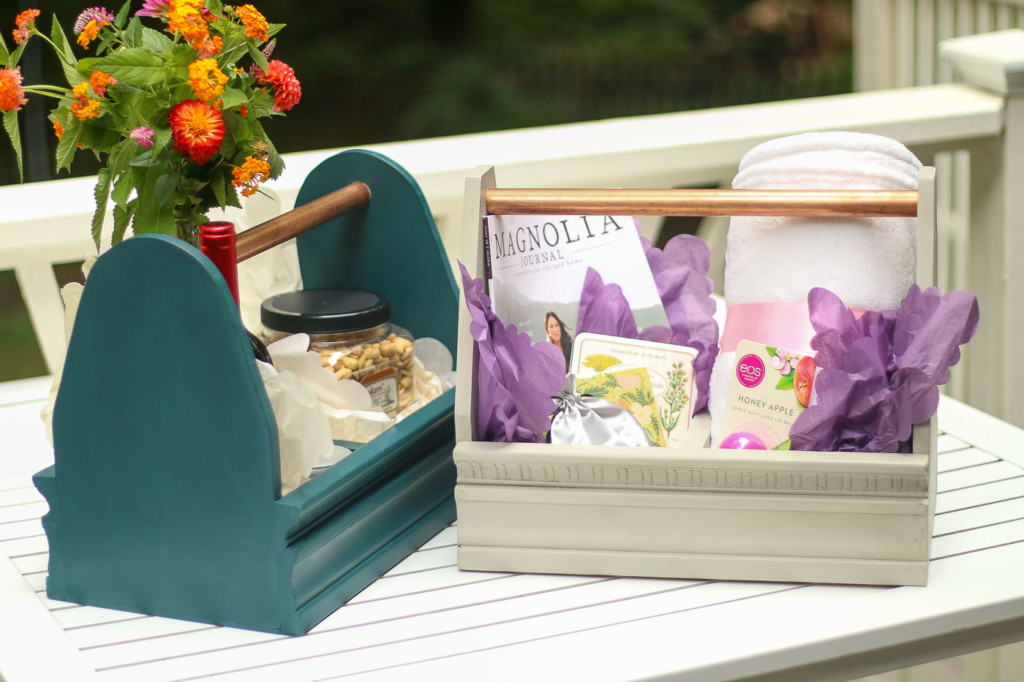
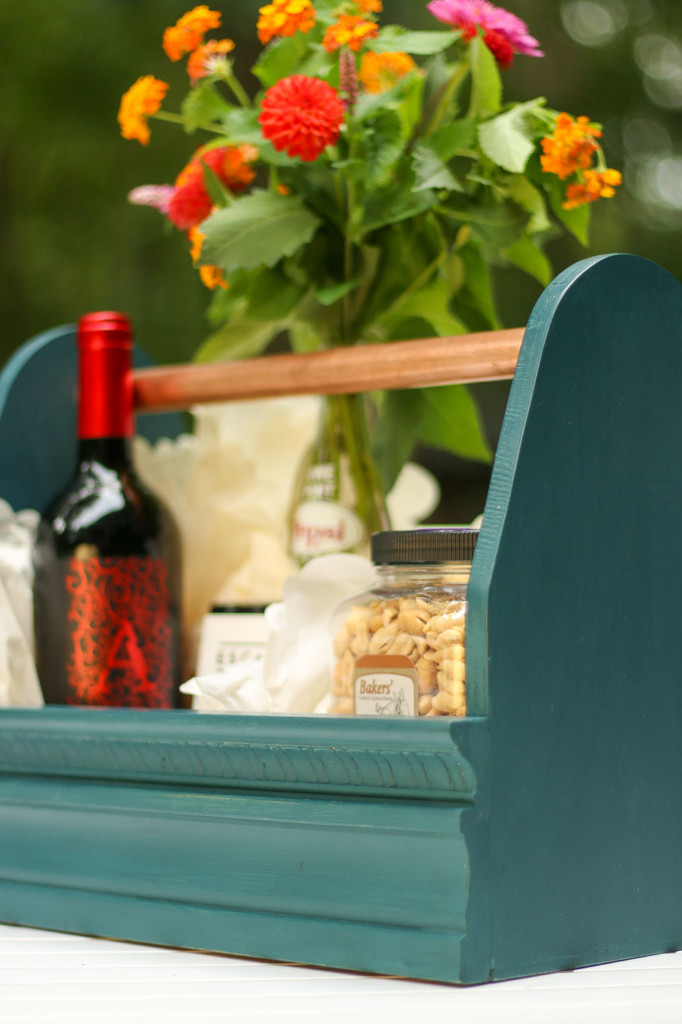
You can fill these caddies with just about anything! Create a snack basket:

Or a fill it with a candle, eye mask, cozy blanket, and a magazine for a relaxation basket.

I would honestly love to hear your suggestions for things to add to these gift caddies in the comments below! Until next time, hope you have a very Happy Holiday season!

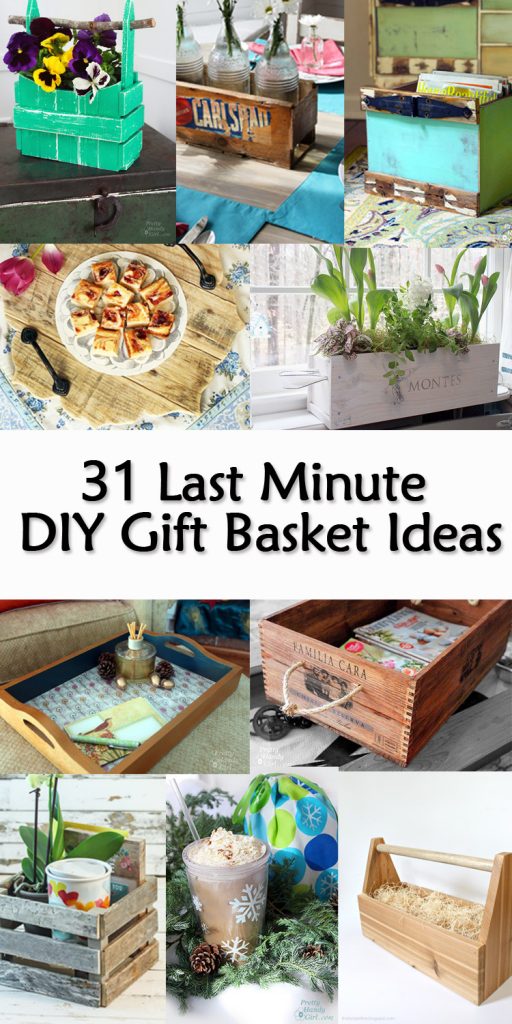
Like this gift idea? Then you’ll love these additional gift basket ideas:

31 last minute gift basket ideas pinterest images

Rustic Pallet Serving Tray | Pretty Handy Girl

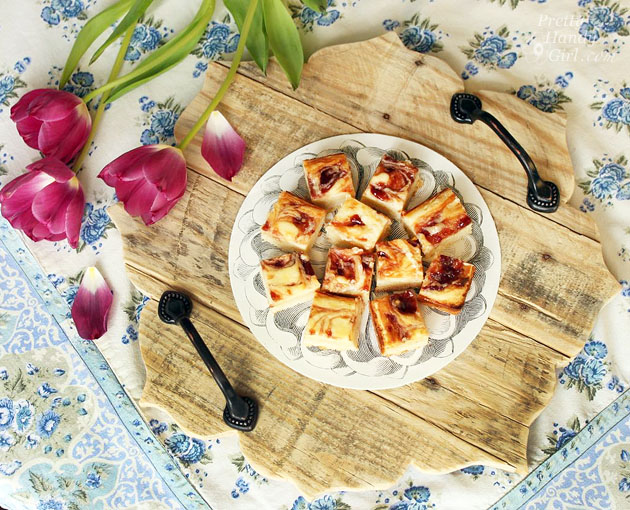
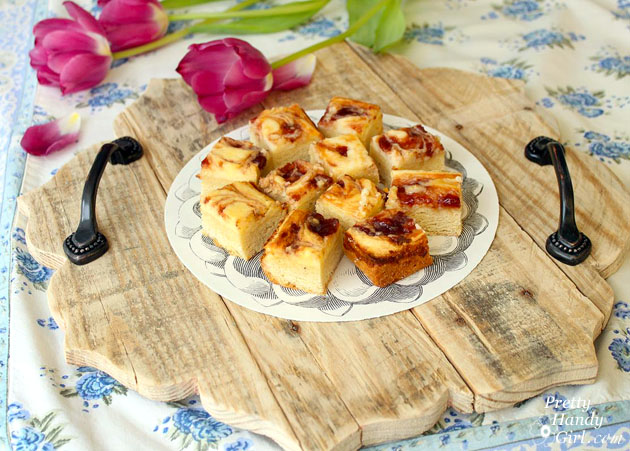
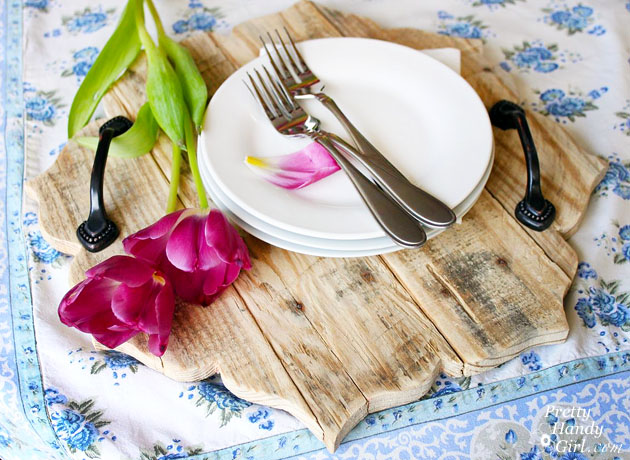
It’s amazing how serving food on a rustic tray can elevate your standard meal or dessert into an elegant occasion. This simple decorative rustic pallet serving tray is a simple project anyone can do!

Rustic Pallet Serving Tray | Pretty Handy Girl

Rustic Pallet Serving Tray

When I worked on a deck makeover with my sister, Caitlin (of Symmetry Designs), we shopped for a lot of the accessories ahead of time. She wanted me to find the perfect Bali-esque tray. Unfortunately I was coming up empty-handed. But, sometimes, you just have to DIY it! This Rustic Pallet Serving Tray was the brainchild of my sister, but I took her idea and ran with it.

Here’s how to make one for yourself.

Materials:

(I’ve included affiliate links for your convenience. I earn a small percentage from a purchase using these links. There is no additional cost to you. You can read more about affiliate links here.)

Instructions:

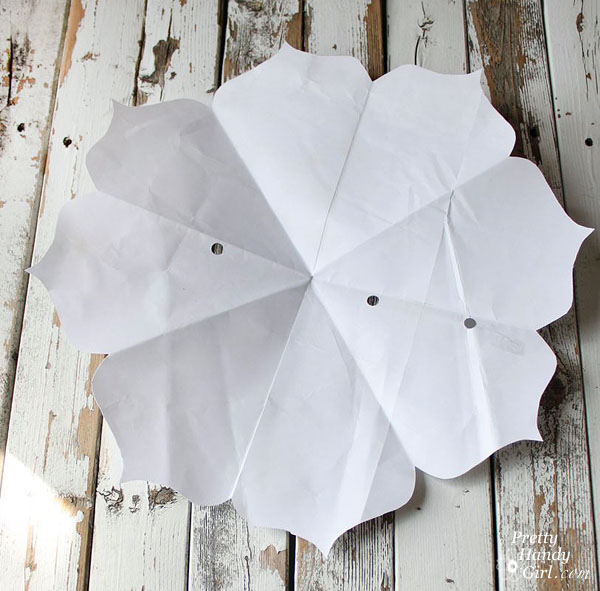
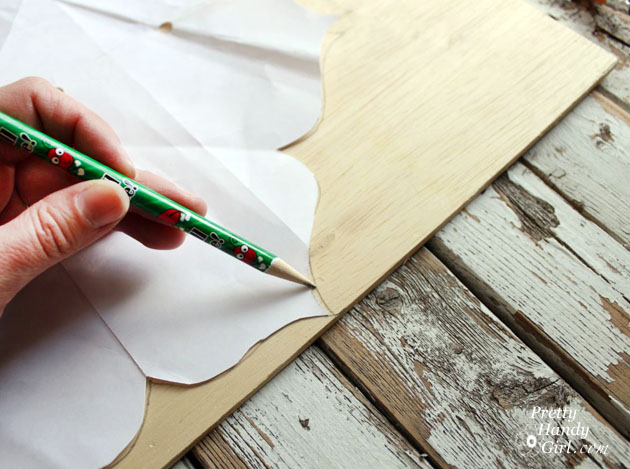
Fold a piece of paper into eights. Cut a design along the edge. (I used a simple scallop shape like this “}”.)

Rustic Pallet Serving Tray | Pretty Handy Girl

When you unfold the paper, you should have a paper template to use for tracing.

Rustic Pallet Serving Tray | Pretty Handy Girl

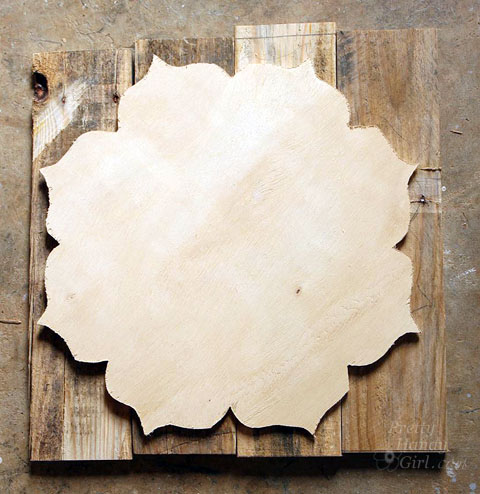
Trace the template onto a piece of thin plywood.

Rustic Pallet Serving Tray | Pretty Handy Girl

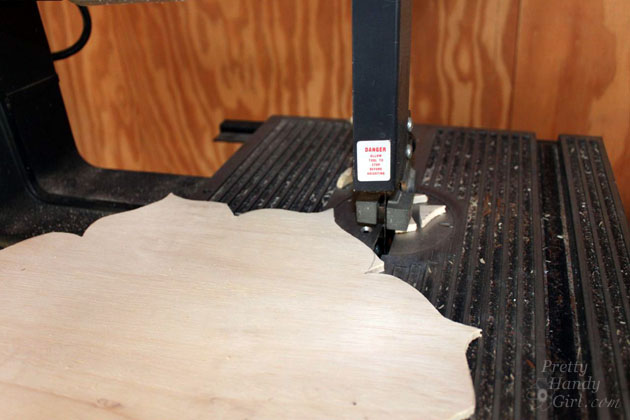
Use a jigsaw or band saw to cut out the shape. You might find this tutorial helpful for cutting out intricate shapes.

Rustic Pallet Serving Tray | Pretty Handy Girl

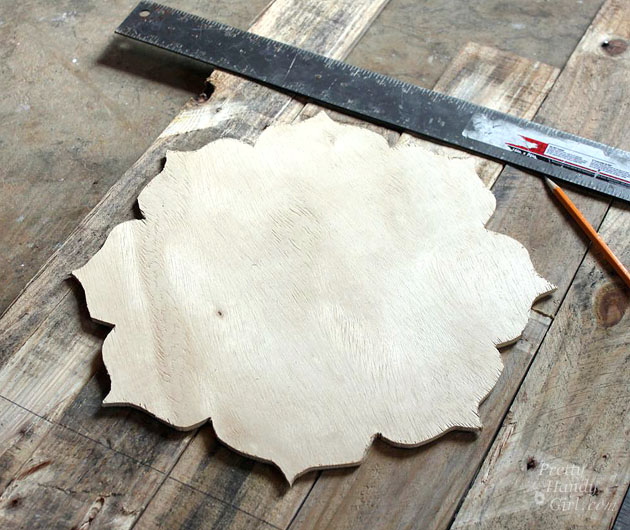
Lay your plywood shape on top of the rustic boards. Move the boards around until you like the sections that will make up the tray. Mark a square around the shape with a ruler.

Rustic Pallet Serving Tray | Pretty Handy Girl

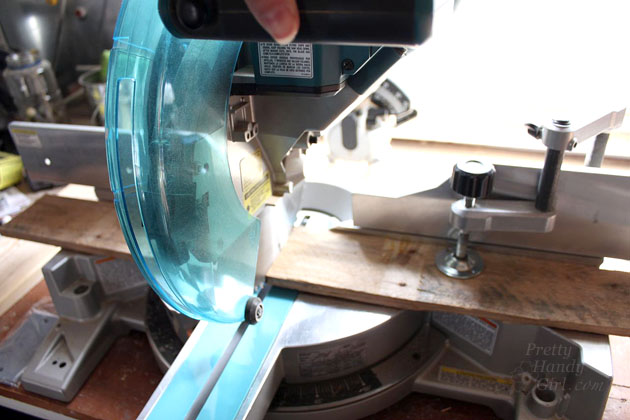
Cut the boards down to size using the pencil mark as a guide.

Rustic Pallet Serving Tray | Pretty Handy Girl

Dry fit the boards together on the plywood shape.

Rustic Pallet Serving Tray | Pretty Handy Girl

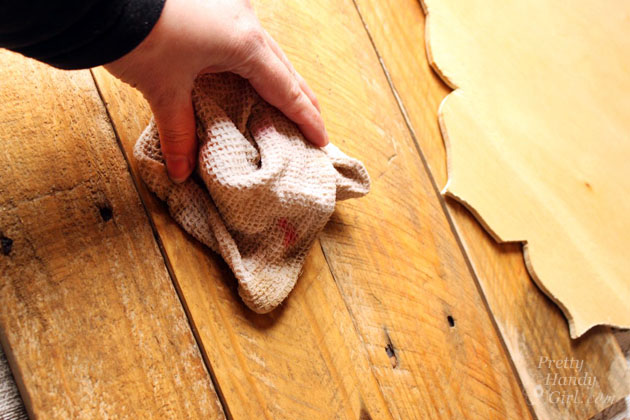
Wet both the plywood shape and the boards with a damp rag.

Rustic Pallet Serving Tray | Pretty Handy Girl

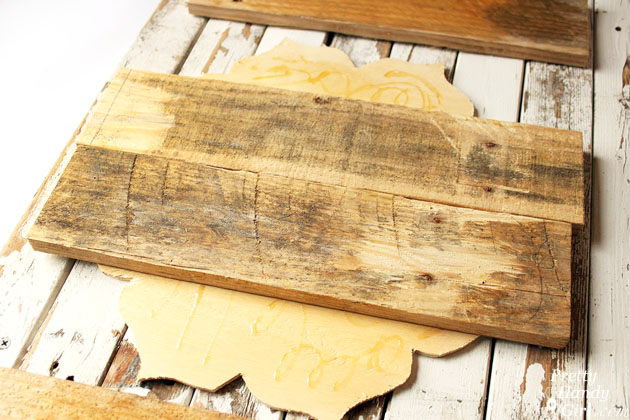
Apply Gorilla Glue to the plywood shape.

Rustic Pallet Serving Tray | Pretty Handy Girl

Set the rustic boards into the glue on the plywood shape.

Rustic Pallet Serving Tray | Pretty Handy Girl

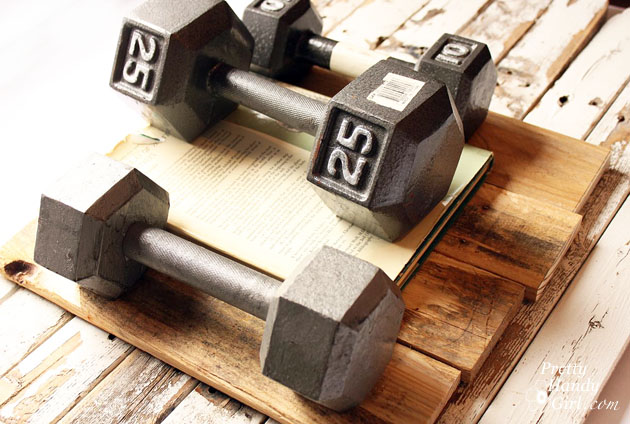
Weigh the boards down with weights or heavy books.

Rustic Pallet Serving Tray | Pretty Handy Girl

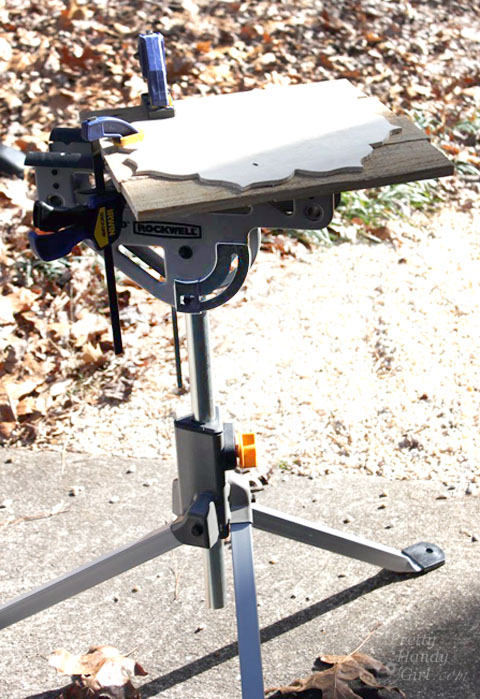
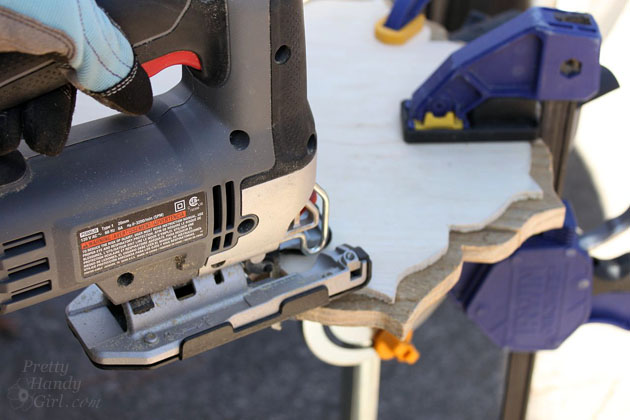
Allow to dry for at least an hour. Remove the weights and clamp the boards onto a work surface (with the area needing to be cut hanging over the edge. Make sure there is clearance for the jig saw blade. You’ll need to cut half the boards and then turn and re-clamp to cut the entire circumference. The Rockwell JawStand works beautifully for this task.

Rustic Pallet Serving Tray | Pretty Handy Girl

Draw a pencil line 1 inch out from the plywood shape. Cut around the pencil line with a jig saw.

Rustic Pallet Serving Tray | Pretty Handy Girl

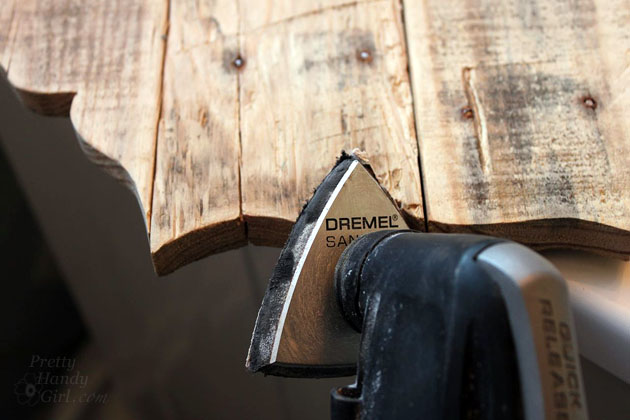
Sand edges and grooves with sandpaper or Dremel Multi-Max.

Rustic Pallet Serving Tray | Pretty Handy Girl

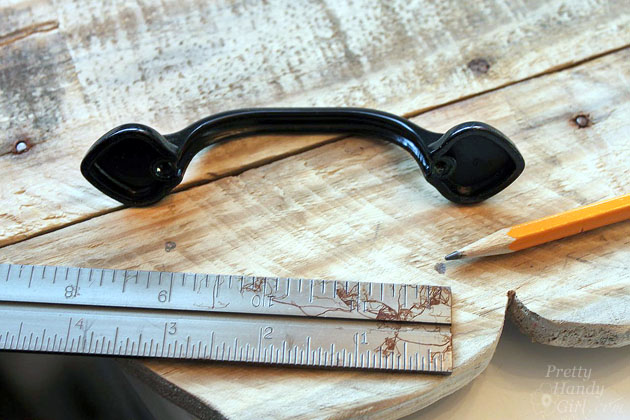
Measure and mark the location of the handles on the tray.

Rustic Pallet Serving Tray | Pretty Handy Girl

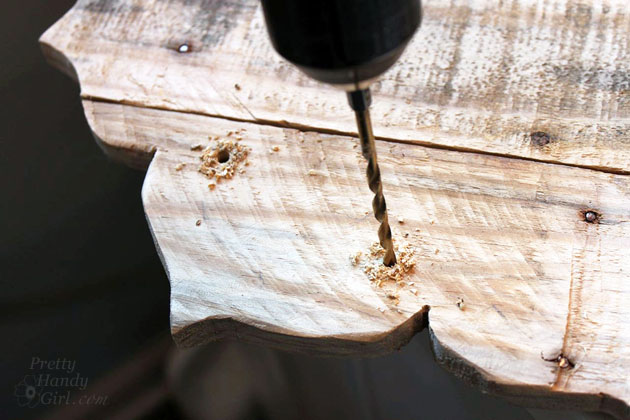
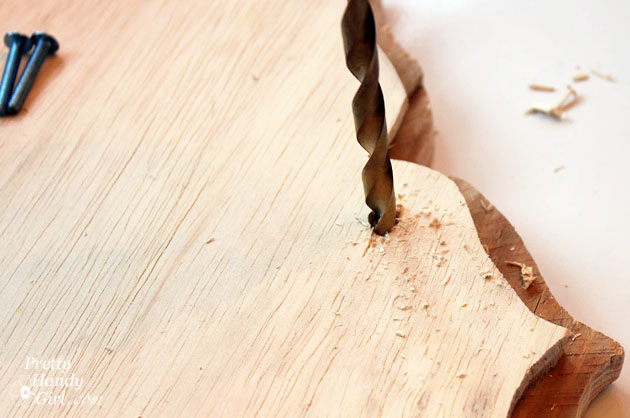
Pre-drill holes using a bit that is the same size as the handle screws.

Rustic Pallet Serving Tray | Pretty Handy Girl

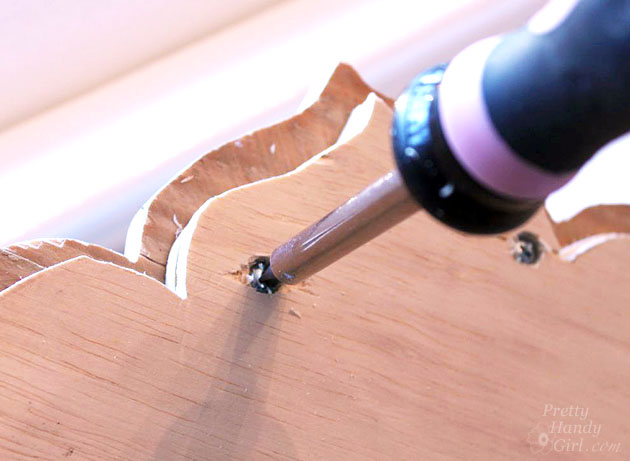
Flip the tray over and drill countersink holes with a larger drill bit.

Rustic Pallet Serving Tray | Pretty Handy Girl

Attach the handles with the screws. The screw heads should sink into the plywood.

Rustic Pallet Serving Tray | Pretty Handy Girl

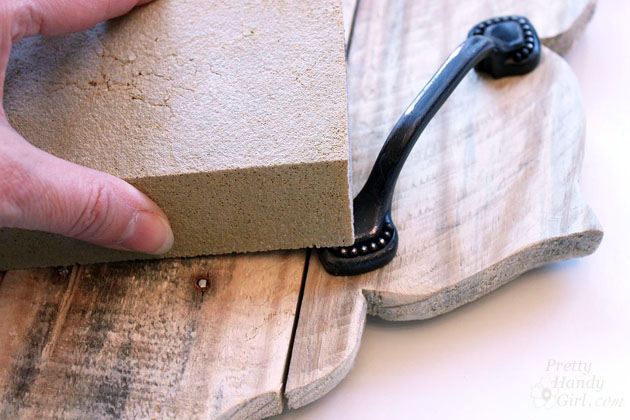
If you want a truly rustic look, lightly sand your handles.

Rustic Pallet Serving Tray | Pretty Handy Girl

If you are going to use your tray for food, use a plate or doily under the food.

Rustic Pallet Serving Tray | Pretty Handy Girl

What do you think? Do you like this beautiful rustic tray? Think you could make one? I bet you could!

Rustic Pallet Serving Tray | Pretty Handy Girl

You can see this tray and our Bali-inspired deck makeover here.

PHGFancySign

Pin for later!

This DIY Rustic Pallet Serving Tray is easy to create with a cutout pattern | Plank serving tray | Pretty Handy Girl #DIY #woodworking #DIYtray #servingtray #rustichomedecor

Farmhouse Painted (chalk like paint) Jar Vases | Pretty Handy Girl

This is by far one of my favorite gift crafts. Grab a few recycled jars or bottles and use your favorite chalk paint to create simple chalk-painted jars!

DIY Chalk Paint Mason Jar Flower Vase

Simple Chalk-Painted Jars

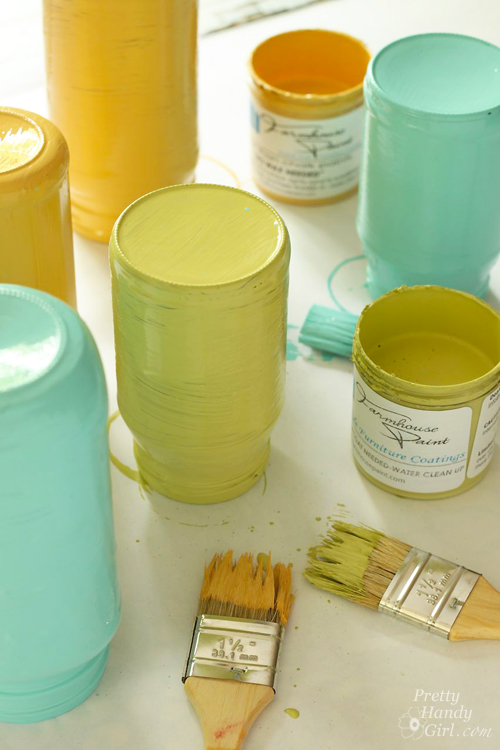
Two weeks ago I spent less than 20 minutes whipping up some really cute vases using recycled jars painted with Farmhouse Paint. Wait…What is this paint?

Farmhouse Painted (chalk like paint) Jar Vases | Pretty Handy Girl

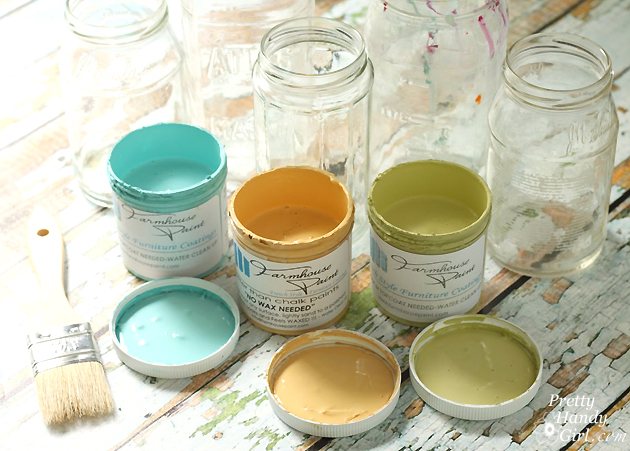
Well, it’s a one-step furniture paint (previously known as chalk paint.) I was sent a few jars to try. But, you can use any chalk paint you already have or make your own using this tutorial to make any color chalk paint.

Farmhouse Painted (chalk like paint) Jar Vases | Pretty Handy Girl

The key material is recycled jars, I like to keep a fair amount on hand.

Farmhouse Painted (chalk like paint) Jar Vases | Pretty Handy Girl

All you have to do is wash the jars well. Remove the labels and any glue residue. Here’s a great tutorial for easily removing glue from bottles.

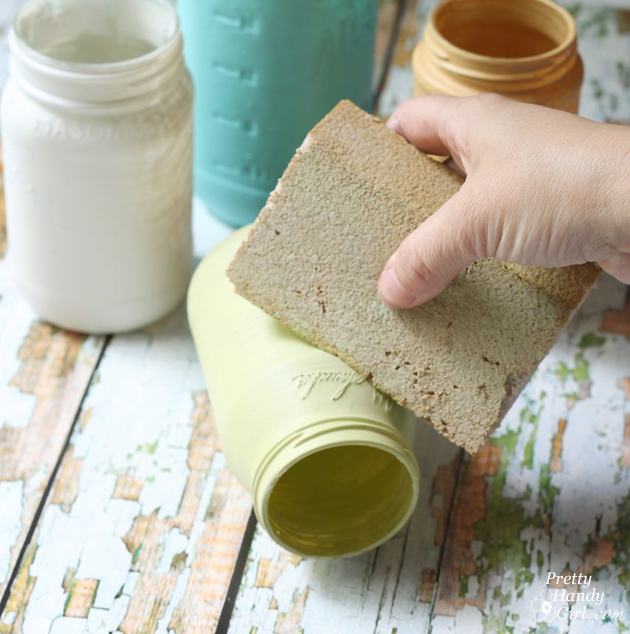
Dry the jars thoroughly then coat with two coats of chalk paint. I’m in love with the Farmhouse paint. The colors are vibrant and you don’t need to wax after painting. Just a light sanding with fine-grit sandpaper and it gives you the same soft sheen as waxing would.

Farmhouse Painted (chalk like paint) Jar Vases | Pretty Handy Girl

After the paint has dried, sand some areas (especially on any writing) to distress them.

Farmhouse Painted (chalk like paint) Jar Vases | Pretty Handy Girl

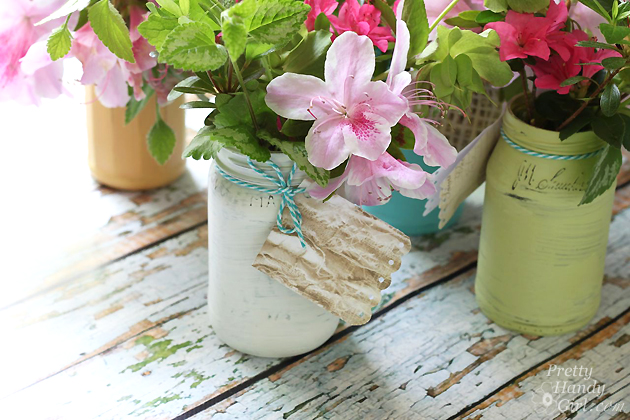
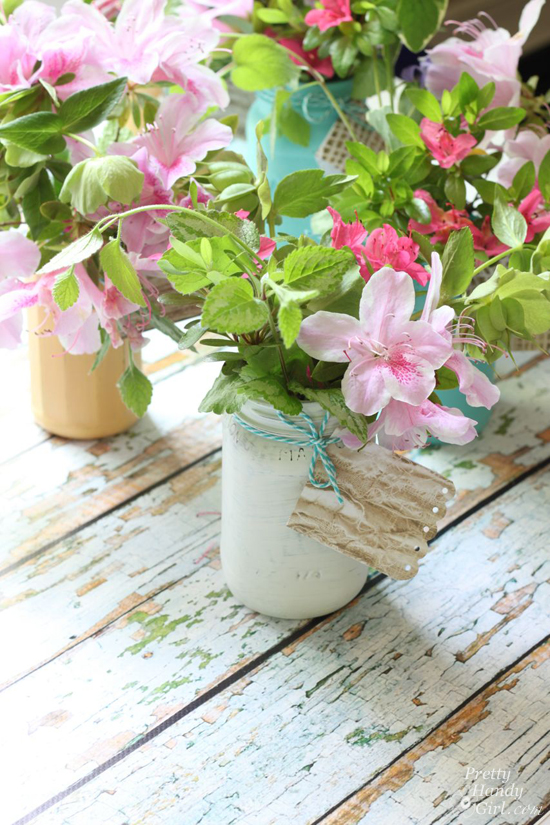
Finally, add some fresh cut flowers from the yard and tie a string around the neck with a personal message.

Farmhouse Painted (chalk like paint) Jar Vases | Pretty Handy Girl

These little vases were adorable. They were cute and they seriously took me less than half an hour to put together (20 minutes to paint and a few more minutes cutting flowers in the yard.)

In the past, I made these little chalk painted vases for teacher gifts. This year, sadly we never got to say goodbye to my sons’ teachers. For all you teachers out there, we appreciate you more than you can imagine. Especially as we do our best to homeschool our children during the COVID-19 outbreak.

Farmhouse Painted (chalk like paint) Jar Vases | Pretty Handy Girl

What do you say? Why not whip up a little chalk-painted vase to appreciate a friend, a loved one, an essential worker, or just to brighten your day!

PHGFancySign

P.s. Did you like the chippy paint board backdrop I used? It’s not real wood, it is actually a vinyl backdrop made by my good friend Leen the Graphics Queen. It rolls up and stores neatly away. She should be selling them soon.

Pin for later!

DIY Chalk Paint Mason Jar Flower Vase

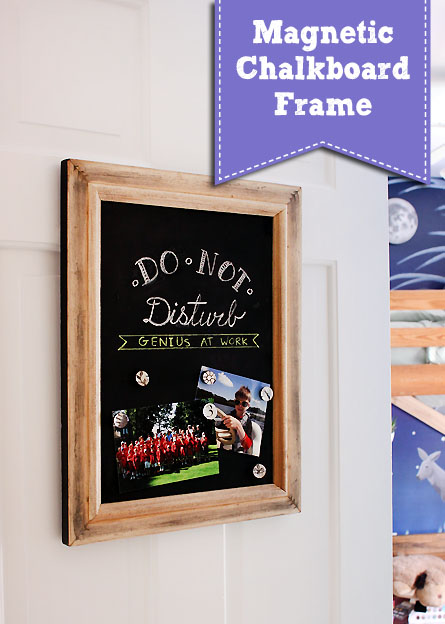
Upcycled Magnetic Chalkboard Frame | Pretty Handy Girl

I’m a serial upcycler. When I can find relatively free materials and turn them into something worth displaying, I’m thrilled! This Magnetic Chalkboard frame is one of those upcycled projects I am proud of.

Upcycled Magnetic Chalkboard Frame | Pretty Handy Girl

Upcycled Magnetic Chalkboard Frame

Earlier in the week, I showed you the changes I made in my oldest son’s bedroom. One of the switches I made was to replace his bedroom door because the old one had cracked after one too many slammings. Ugh, cheap hollow door.

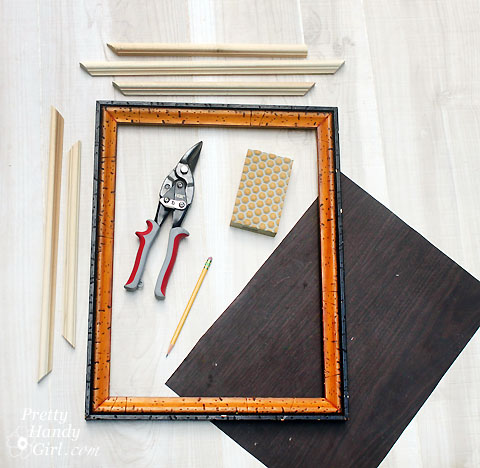
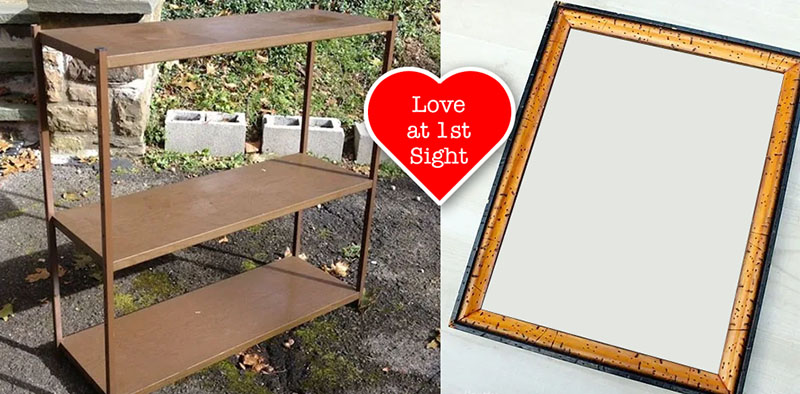
In an effort to keep my son from taping all types of signs to his new door, I found an ugly old frame and married it with some scrap metal from a junky set of shelving a neighbor was throwing away.

bookcase in love with ugly frame

That’s not real wood, it’s metal…fake wood metal. Yuck. Wait until you see how they were transformed. You won’t believe your eyes, so watch closely how I made this Upcycled Magnetic Chalkboard Frame.

Before you leave this tutorial thinking you can’t possibly make this project because you’ll never be able to find cheap faux wood shelves, let me share with you some alternate materials you can use!

(I’ve included affiliate links for your convenience. I earn a small percentage from a purchase using these links. There is no additional cost to you. You can read more about affiliate links here.)

Magnetic Material:

Non-Magnetic Material for Chalkboard:

Now that you have some additional material options, let’s get busy making a Magnetic Framed Chalkboard (or just a framed chalkboard).

Materials:

Upcycled Magnetic Chalkboard Frame | Pretty Handy Girl

Optional: You may need some Goo Gone, a scraper, and rag to eliminate any glue on the back of the frame.

Instructions:

Begin by cutting your metal (or backing) to fit into the back of the frame.

Upcycled Magnetic Chalkboard Frame | Pretty Handy Girl

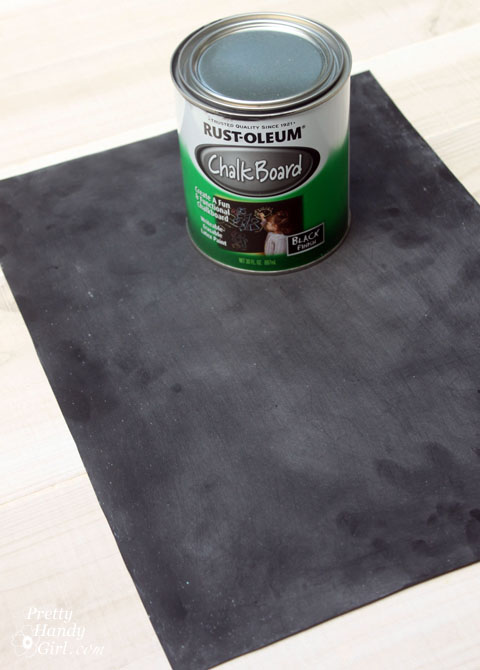
Paint one side of the metal with chalkboard paint. Let it dry. Apply a second coat of chalkboard paint. Let it dry.

Upcycled Magnetic Chalkboard Frame | Pretty Handy Girl

While the chalkboard paint is drying, time to work on the frame.

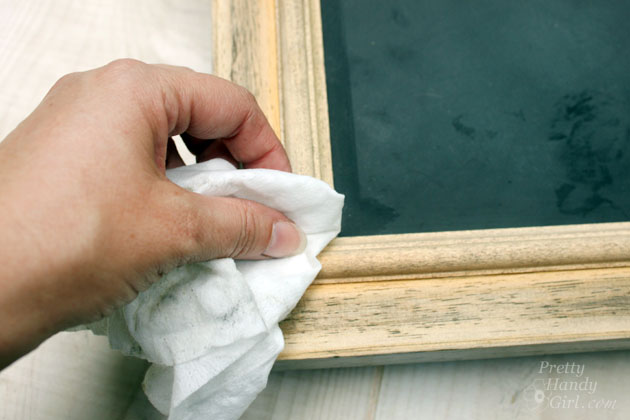
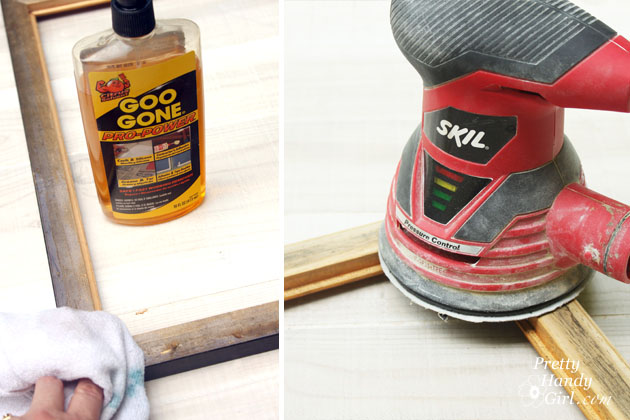
If your frame has paper on the back, peel it off and use Goo Gone, a scraper, and sander to remove any of the glue residue.
Upcycled Magnetic Chalkboard Frame | Pretty Handy Girl


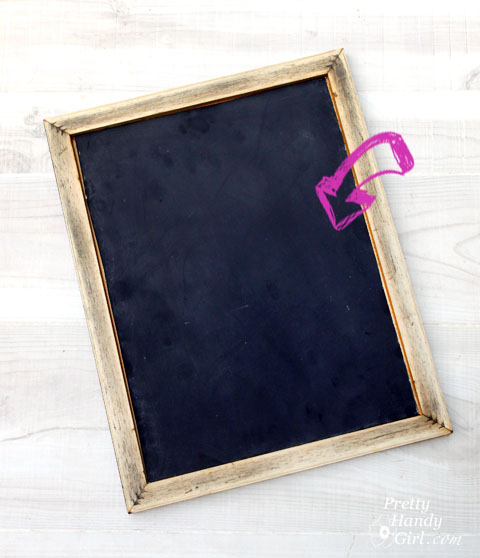
When the chalkboard paint has dried, insert it into the frame, chalkboard side up from the backside of the frame (are you seeing where I’m going with this?)

Upcycled Magnetic Chalkboard Frame | Pretty Handy Girl

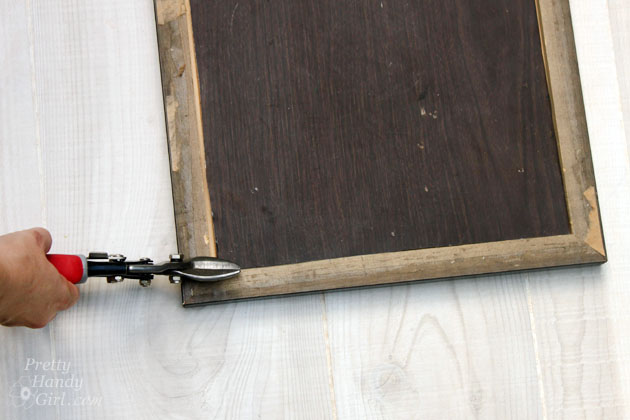
The back of the frame is much prettier than the front, but in order to hold the chalkboard in place, we need to cut some picture molding. Cut the end of your molding at a 45 degree angle. Fit it into the frame and mark where to make your second cut.
Upcycled Magnetic Chalkboard Frame | Pretty Handy Girl

Continue fitting and cutting molding around your frame.

Upcycled Magnetic Chalkboard Frame | Pretty Handy Girl

Once all four pieces of molding fit, you are ready to secure them.

Upcycled Magnetic Chalkboard Frame | Pretty Handy Girl

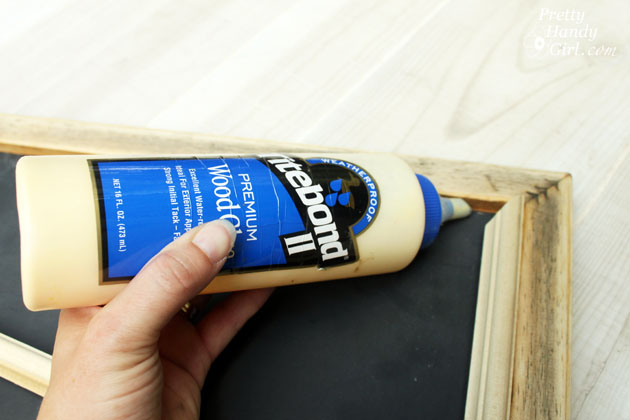
Apply a bead of wood glue along the inside edge of the back of the frame.

Upcycled Magnetic Chalkboard Frame | Pretty Handy Girl

Set the molding pieces in place and wipe up any glue that squeezes out.

Upcycled Magnetic Chalkboard Frame | Pretty Handy Girl

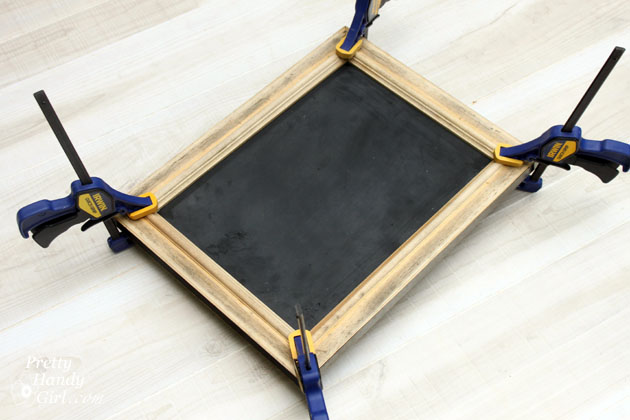
Clamp the molding pieces and the frame. Allow the glue to dry for at least an hour.

Upcycled Magnetic Chalkboard Frame | Pretty Handy Girl

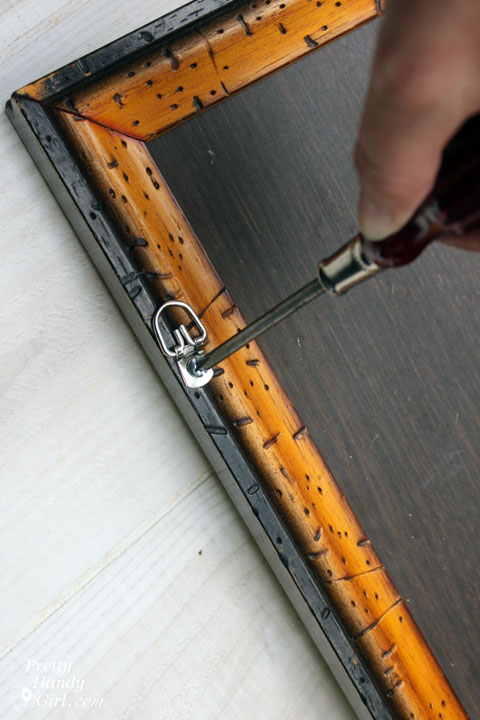
When the glue has dried. Attach two D-rings to the back of the frame.

Upcycled Magnetic Chalkboard Frame | Pretty Handy Girl

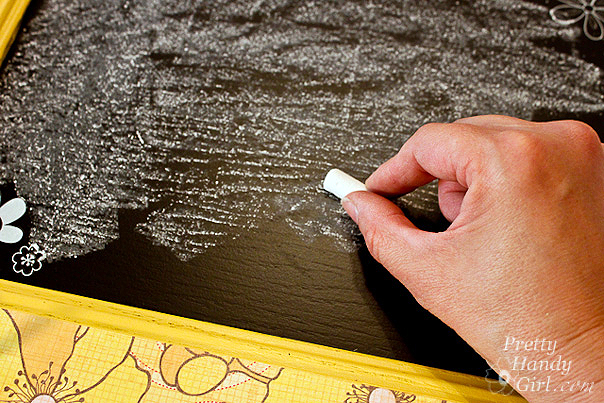
Season the chalkboard with the side of a piece of chalk. Then use a dry rag to buff it off.

Time to hang it up! (In my case, I hung it on my son’s door.

Upcycled Magnetic Chalkboard Frame | Pretty Handy Girl

To keep the frame from bouncing any time the door is opened or closed, I put a 3M Command velcro strip between the bottom of the frame and the door.

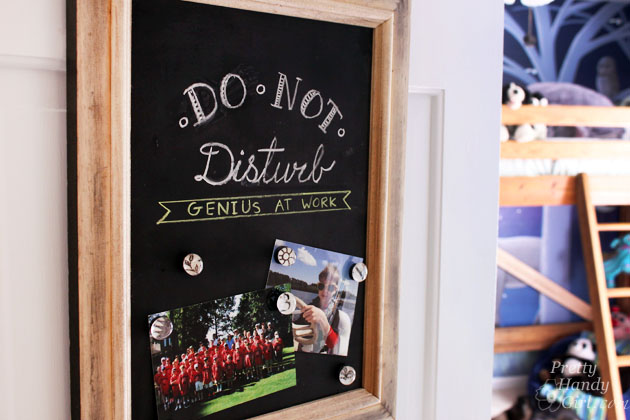
Now my son can put up pictures, messages, and more without damaging the door.

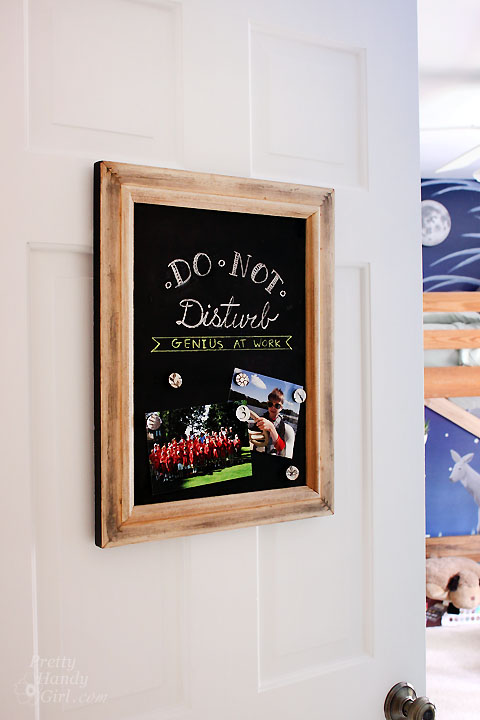
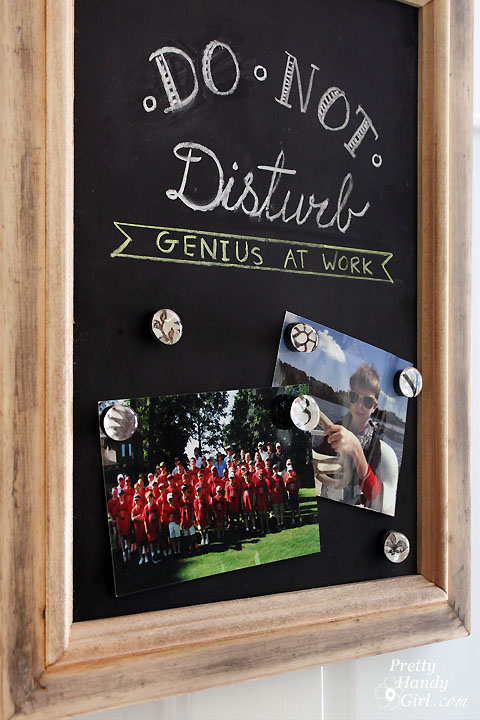
Upcycled Magnetic Chalkboard Frame | Pretty Handy Girl

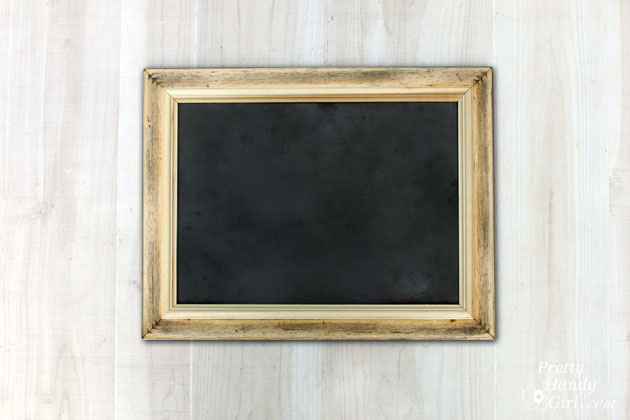
Pretty cool huh?! Would you ever guess the back of an ugly frame and metal shelves could look this beautiful?

Upcycled Magnetic Chalkboard Frame | Pretty Handy Girl

I especially like the little metal fasteners showing in the corners of the frame.

Tell me, do you have an ugly frame hanging around your house? Have you ever looked at the back and found it more beautiful than the front?

PHGFancySign


Pin for later!