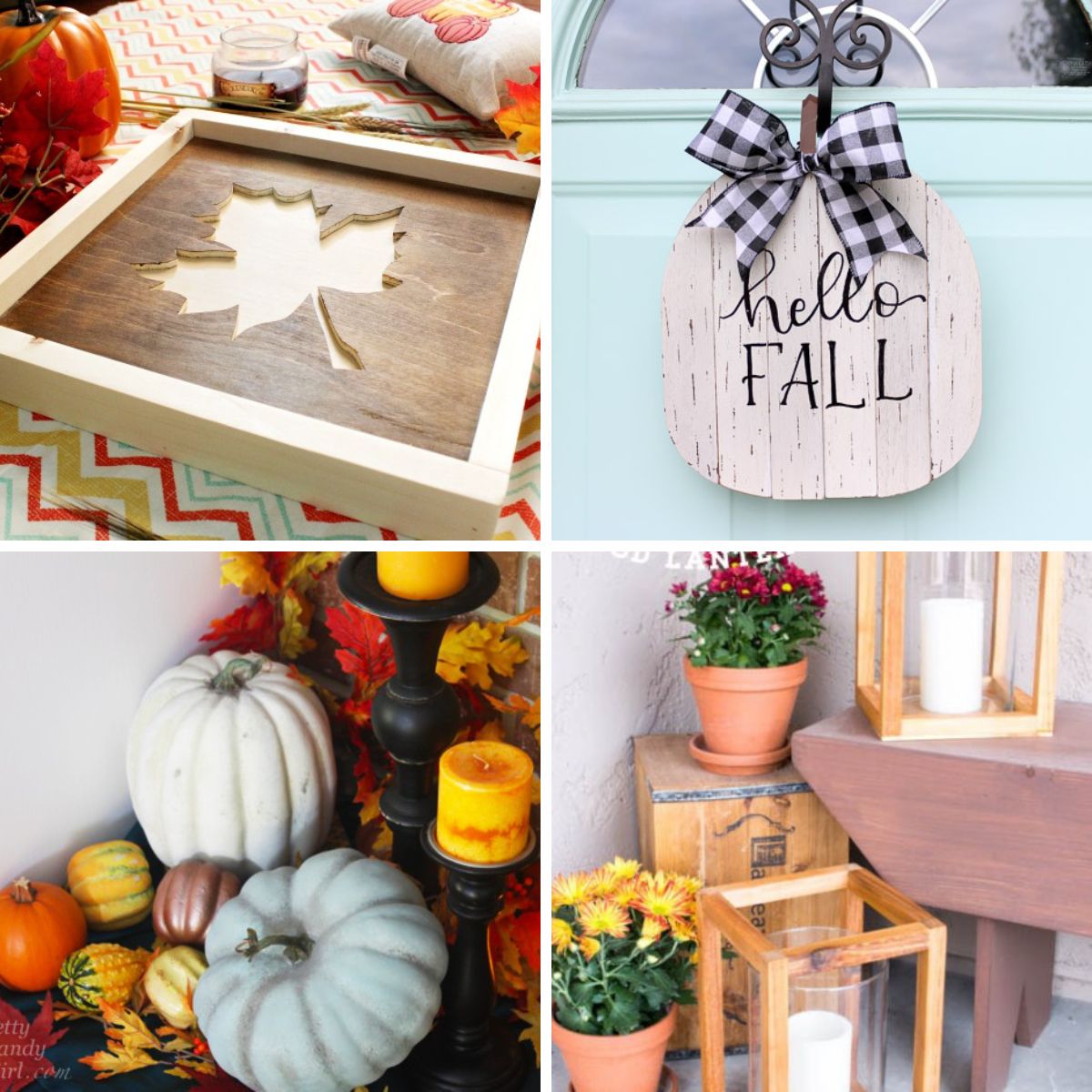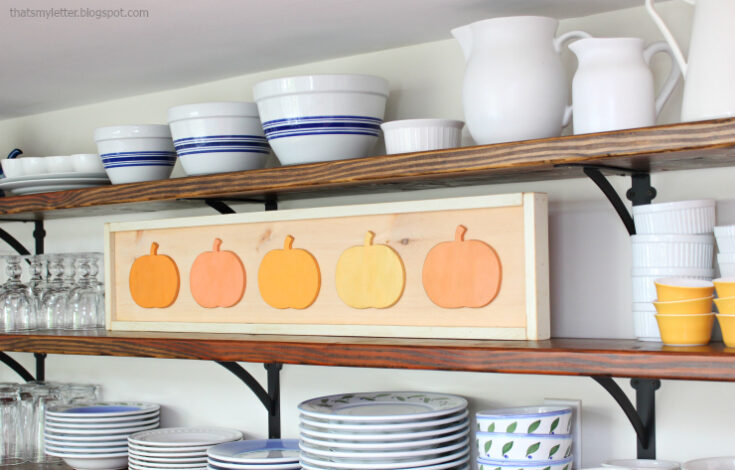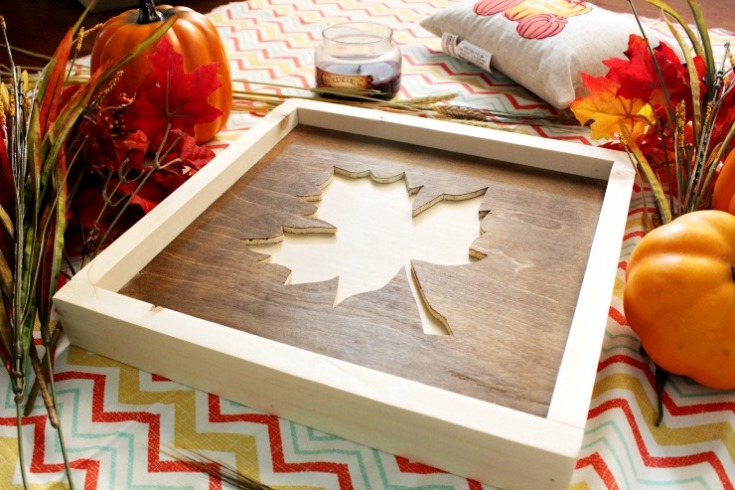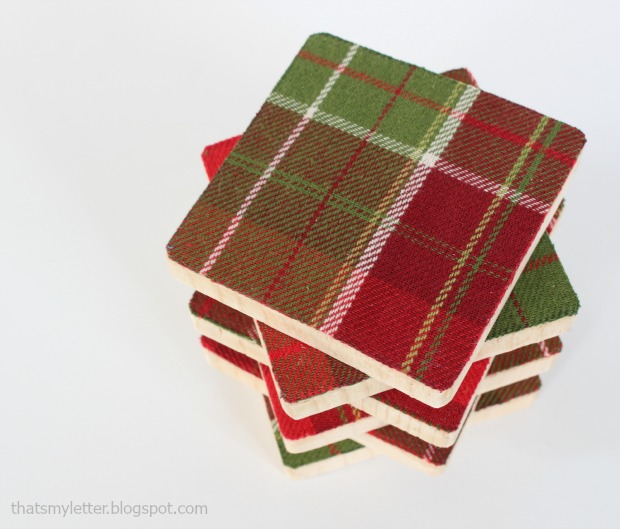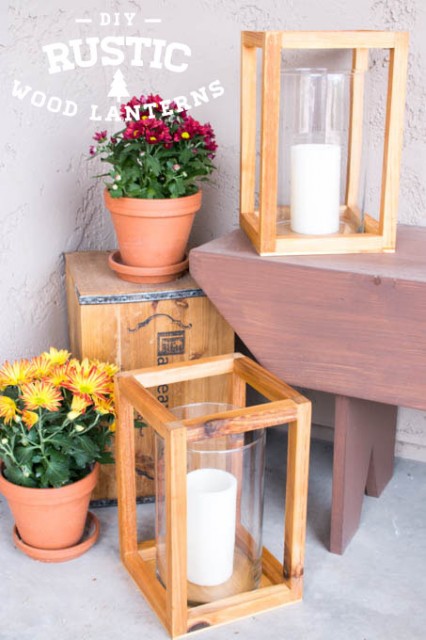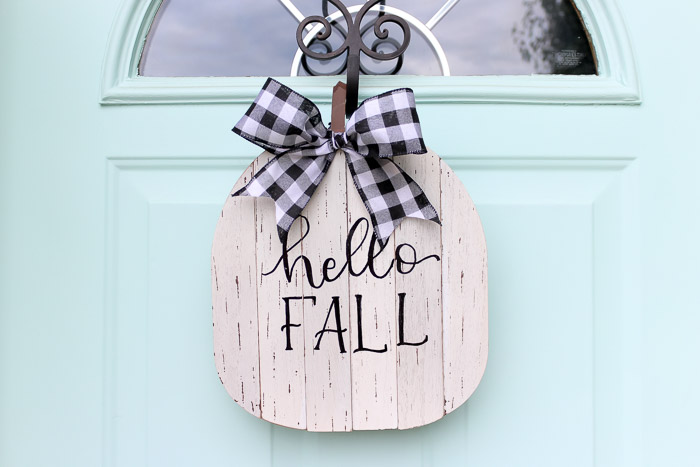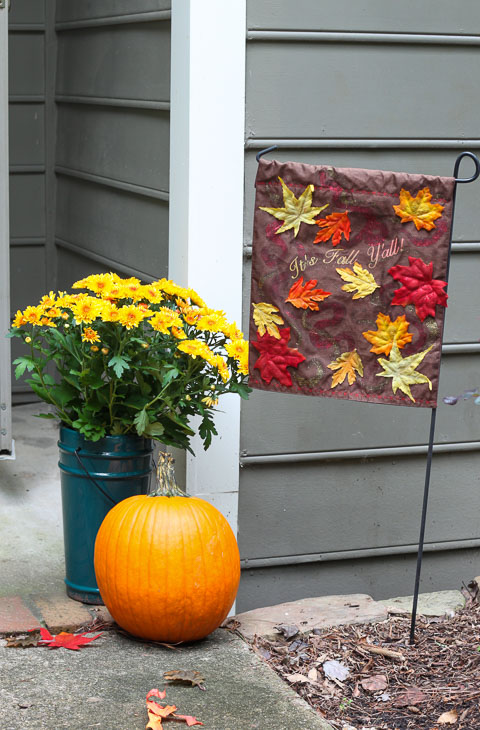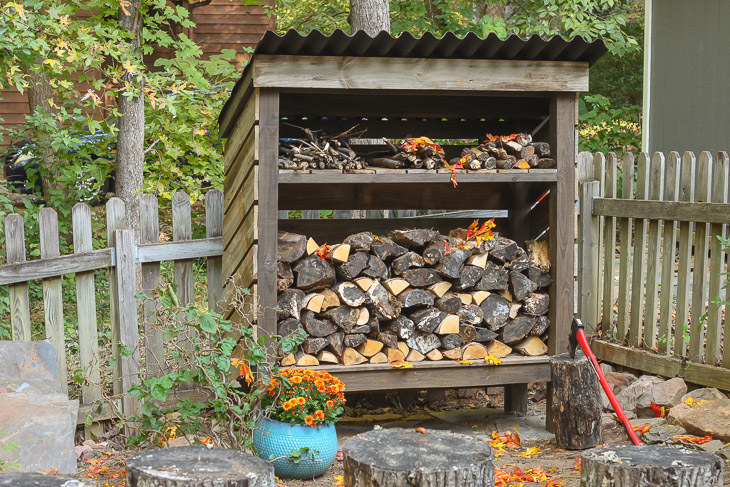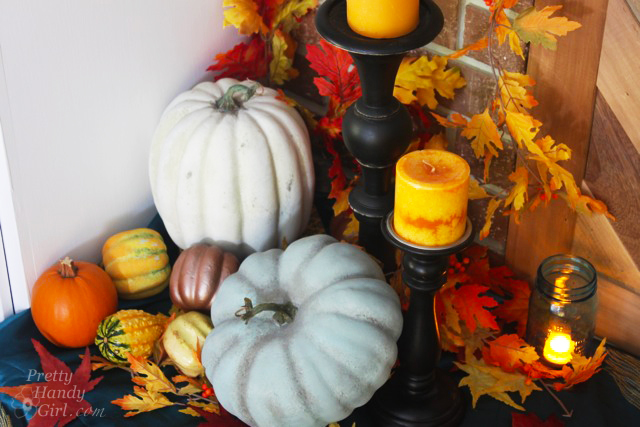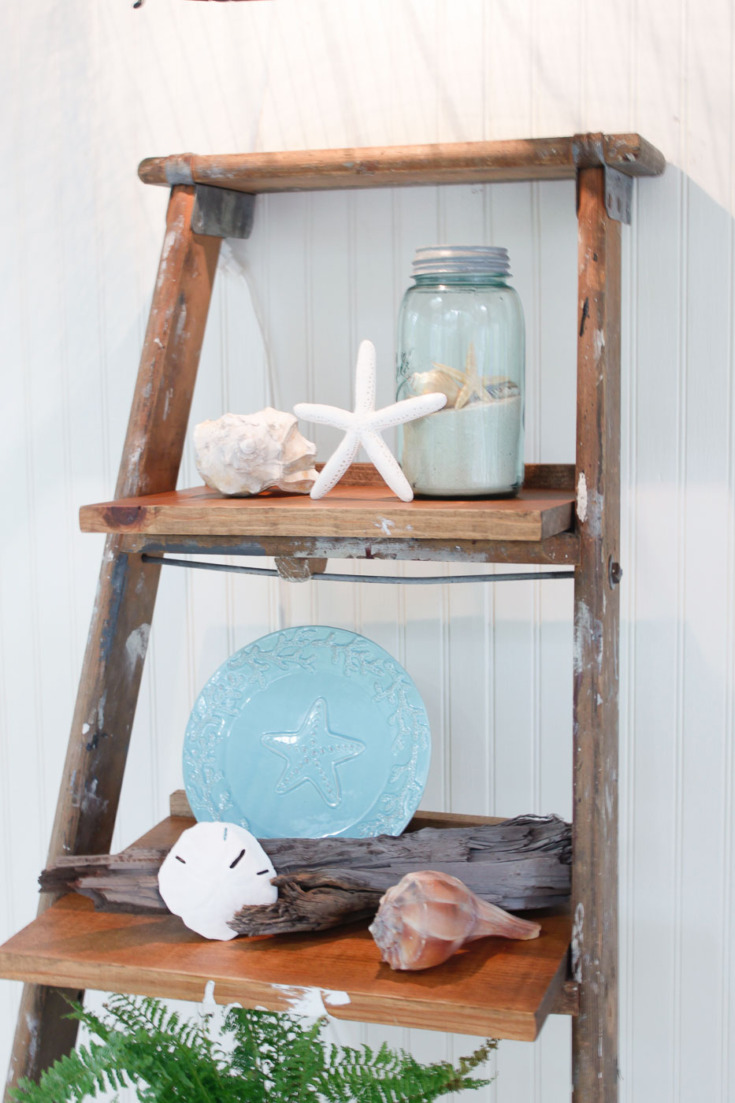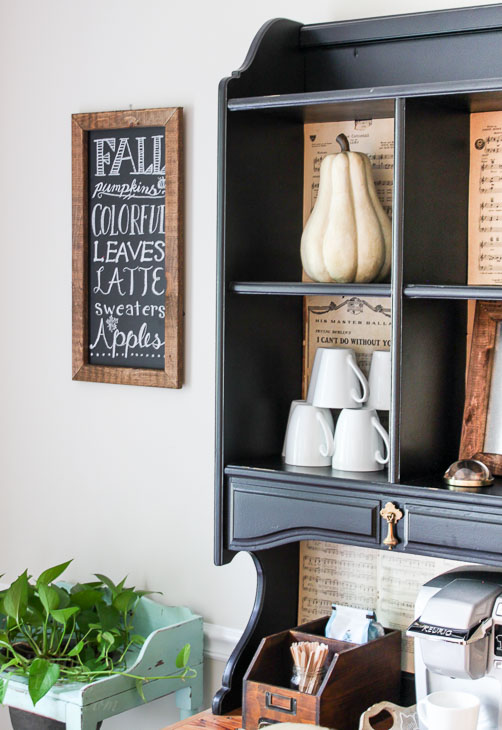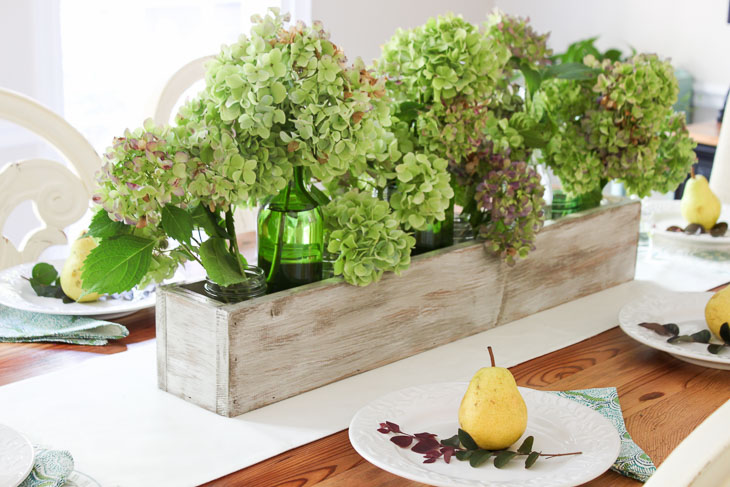
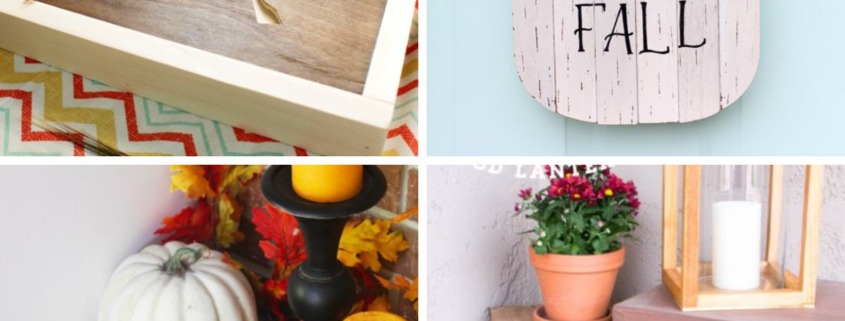
fall mantel decorating ideas

Cozy up your home this autumn with these gorgeous fall mantel decorating ideas! From simple DIY touches to festive farmhouse designs, you’ll love these easy ways to decorate your fireplace.

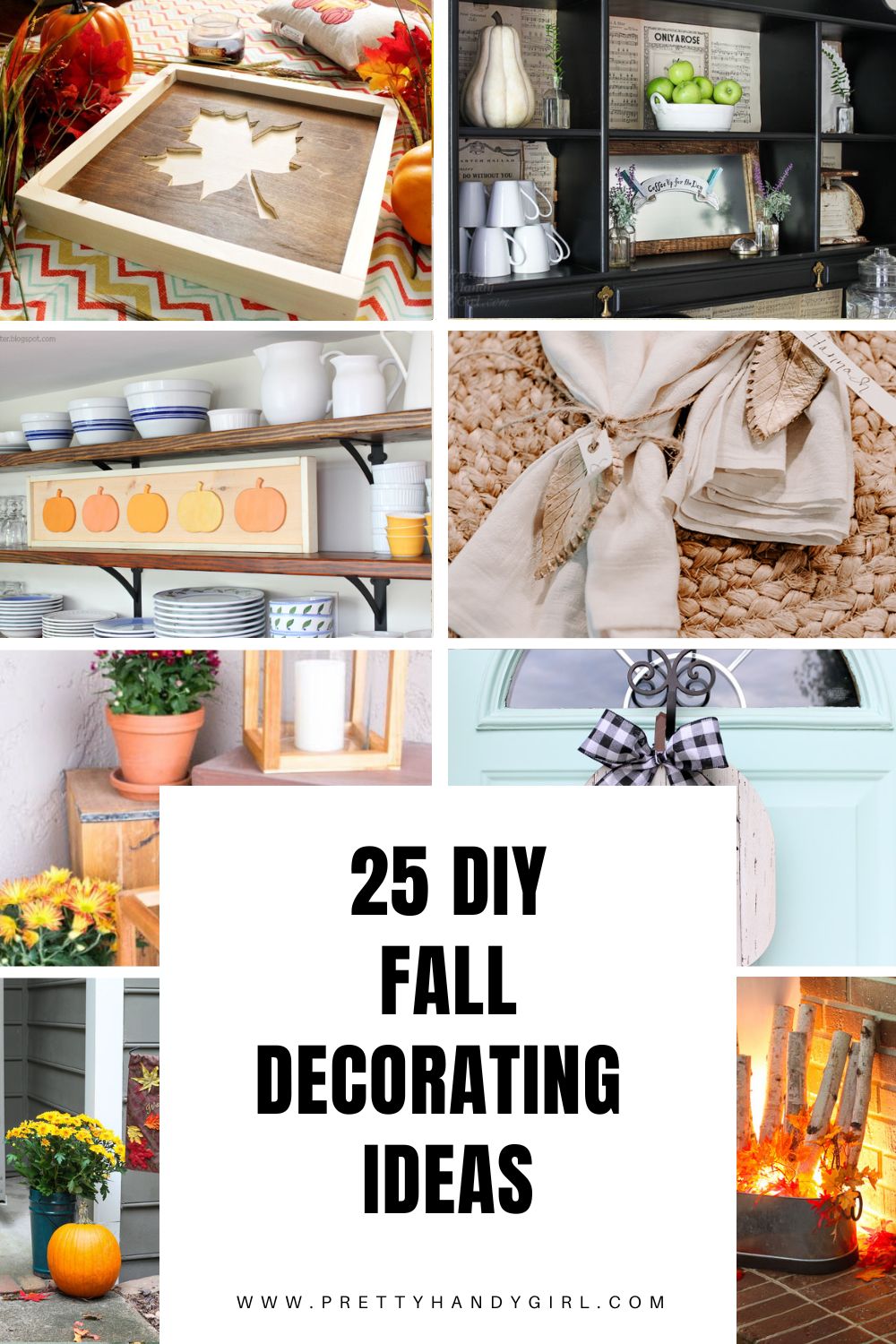
4 image collage fall mantel decorations

Cozy Up Your Fall Mantel

Your fireplace mantel is the perfect way to bring a little fall magic into your living room or family room. By adding pumpkins, candles, cozy textures, and seasonal touches, you can create a warm focal point that makes your home decor feel festive and inviting.

Decorating for the fall season is an easy way to refresh your space and celebrate all the cozy vibes this time of year brings.

Fall Mantel Decor Ideas

Get inspired by these simple ideas to make your own home sparkle this holiday season and welcome the new season in style!

PIN FOR LATER

fall mantel decor collage

Did you find some decorating ideas for your fall mantel? There is so much inspiration!

Thanks for stopping by.

signature

If you like this post, you may also enjoy this fall leaves hurricane centerpiece.

fall leaves lantern
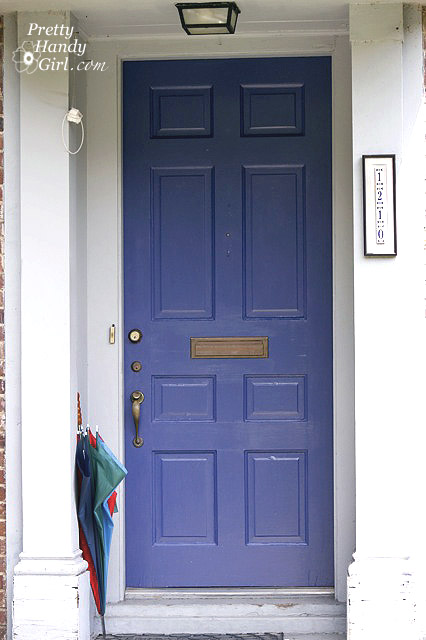
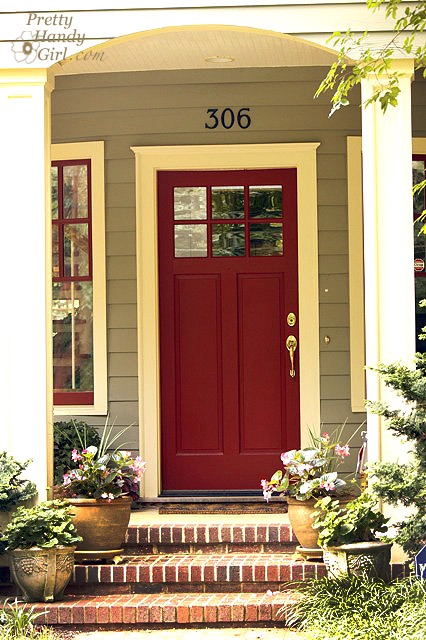
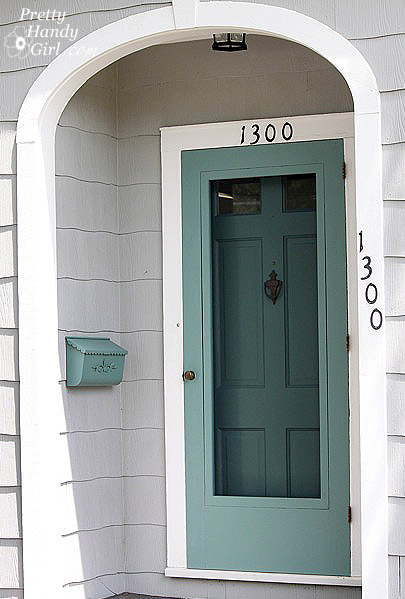
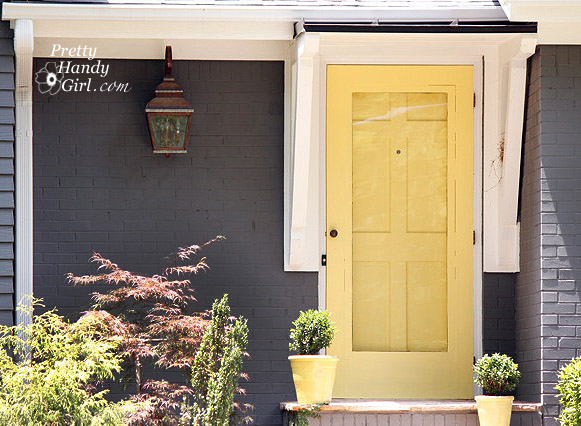
collage with 4 images featuring colorful front doors

Discover 55+ colorful front doors with stunning color schemes to boost curb appeal and add personality to any home exterior.

4 image collage with colorful front doors

Colorful Front Doors

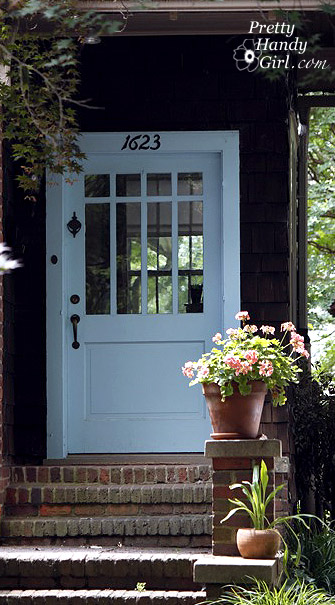
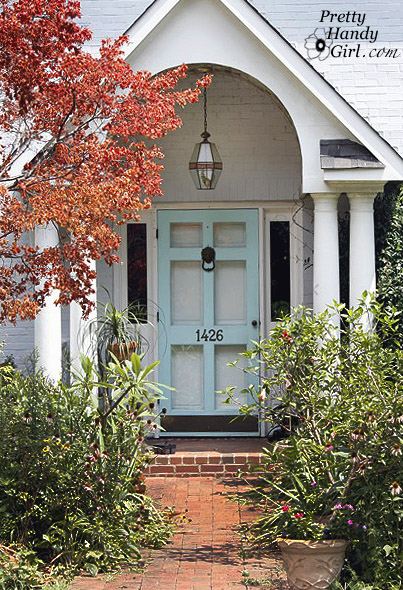
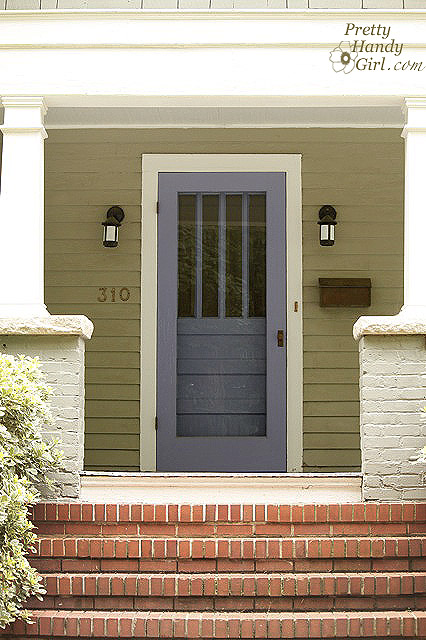
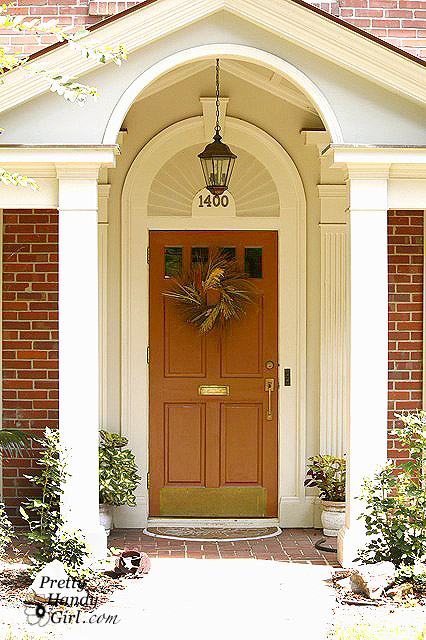
I am drawn to homes that have unique front door colors and crave something beyond the normal white, black or burgundy. Give me a unique color that tells me something about its occupants!

I love being able to say, we’re the only house on the street with the coral-pink doors. In my book, you need to Go Bold or Go Home!

Get out that paintbrush and show your true colors with this gallery of Bright & Bold Colorful Front Doors.

Before we get started, a little disclaimer. I’m very good at eyeballing paint colors, but I am only human. There are so many factors that go into choosing a paint color. Time of day, time of year, weather, and your surroundings will all affect the perception of color. Throw in the mix that you’re viewing these images on your electronic device which can only make up colors using a combination of Red, Green, and Blue. For that reason, I highly recommend using one of these colors as your springboard. Get similar paint chips near the ones you like and hold them up to your front door during different times. 

I go into a lot more detail about how to choose paint colors in this comprehensive article

how-to-pick-paint-colors

Front Door Paint Colors Pictures

Over the years I’ve collected quite an assortment of photos of colorful front doors.

Some are from my travels to Iceland, Scotland, England, France, and other old towns in the US. Near me in Raleigh, Cameron Park is one of my favorite neighborhoods to find inspiration. It is tucked between Oberlin & Hillsborough Street. The houses are old and the trees are ancient. But, there seems to be an ongoing competition for the boldest and brightest front doors. I used Benjamin Moore, Sherwin Williams, and Valspar color deck to choose an approximate match for each door.

If you are considering a new paint color for your door using any of these colors, be sure to paint a large sample on poster board and hold it up to your door first. Keep in mind, some of the colors may need two coats before you see the true color.

Now let’s get to these gorgeous painted front doors. Whether you are looking to add personality to a neutral exterior, or you want to create a bold focal point to elevate your home’s design, we have a ton of color inspiration for you! The paint color is noted in the link below each picture to make it easier for you to identify the name and brand of the paint color.

You will see a variety of brands including Sherwin Williams, Benjamin Moore, Valspar, Magnolia Paint and more.

Front Door Colors

Undercool by Sherwin Williams - Cape Code style house with bright blue front door and cedar shake siding
Undercool by Sherwin Williams

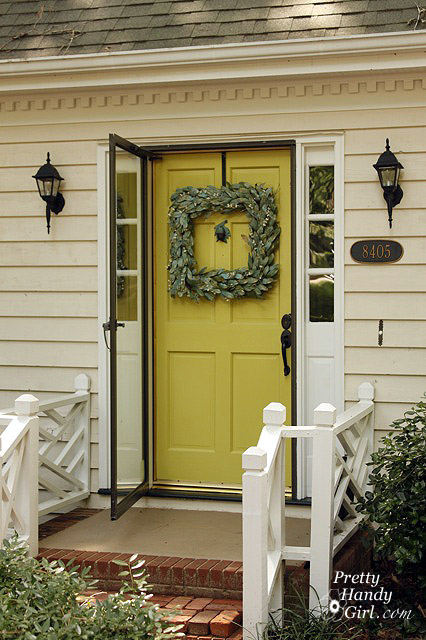
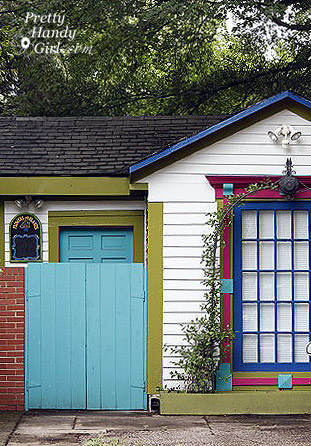
Chartreuse by Sherwin Williams - Small cottage green-yellow-lime colonial door with square wreath
Chartreuse by Sherwin Williams

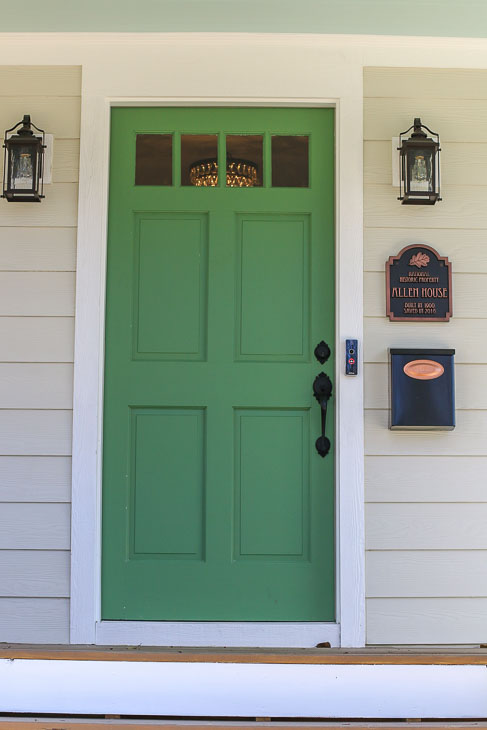
Magnolia Green by Magnolia Paint - with Locally Sown by Magnolia Paint Siding
Magnolia Green by Magnolia Paint –
Siding color: Locally Sown by Magnolia Paint Siding

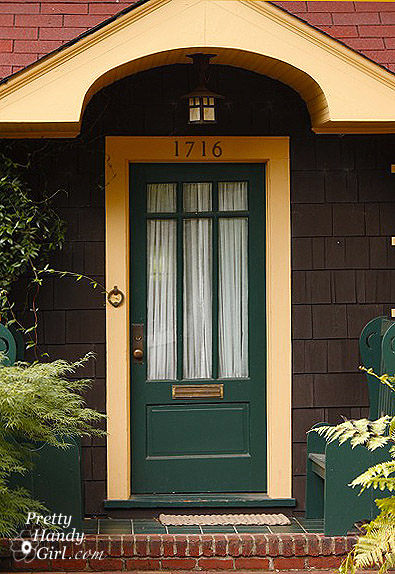
Blue Peacock by Sherwin Williams - Creamy Tan trim and dark siding on this early 1900's home
Blue Peacock by Sherwin Williams


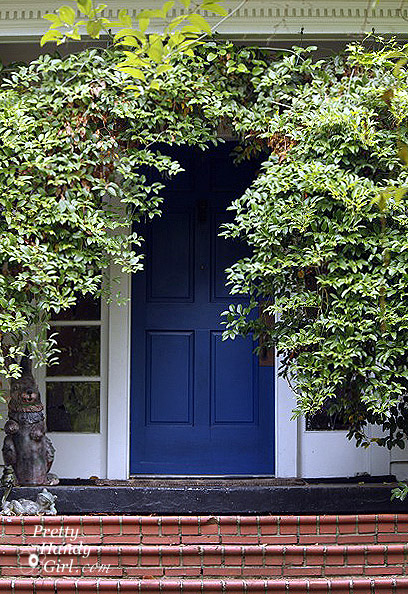
Honorable Blue by Sherwin Williams - Dark Blue Door with climbing vines over the front door
Honorable Blue by Sherwin Williams

Colorful front doors
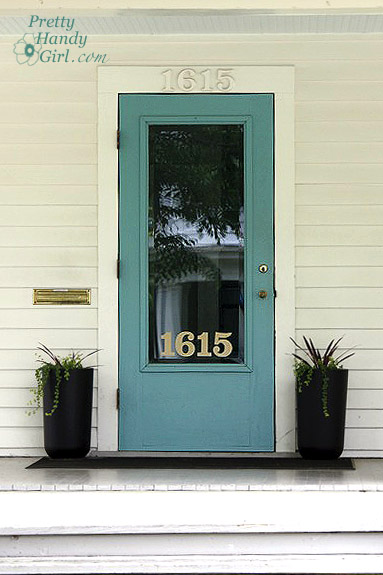
Slick Blue by Sherwin Williams

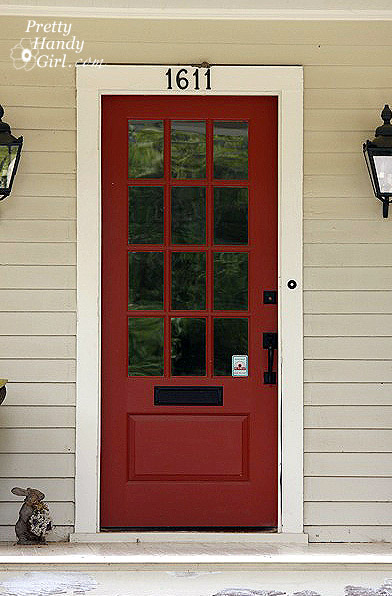
Classic Red by Valspar - 3 story Old house with navy siding, light blue shutters, and bright red door
Classic Red by Valspar

Colorful front doors
Open Seas by Sherwin Williams

Picante by Benjamin Moore - Coral Pink from door with dark teal blue green siding and white trim
Picante by Benjamin Moore

Colorful front doors
Crabby Apple by Sherwin Williams

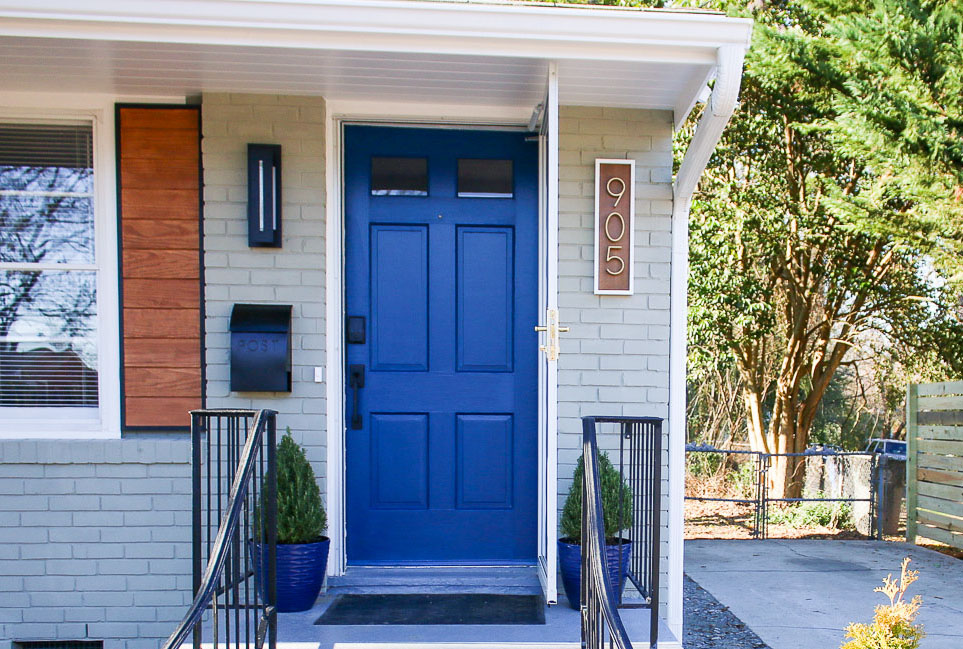
Loyal Blue by Sherwin Williams - Modern Ranch house with sage siding and royal blue door
Loyal Blue by Sherwin Williams

Colorful front doors
Atmospheric by Sherwin Williams


Colorful front doors
Aqua Tint by Sherwin Williams

Abalone Shell by Sherwin Williams - cute muted pink condo door with patina shell knocker
Abalone Shell by Sherwin Williams

Colorful front doors
Indulgent by Sherwin Williams

Harbor Haze by Benjamin Moore - South Carolina coastal house with front porch, dormer windows, and light blue double glass door.
Harbor Haze by Benjamin Moore

Colorful front doors
Bee by Sherwin Williams

Colorful front doors
Swimming by Sherwin Williams

Colorful front doors
Fabulous Grape by Sherwin Williams

Colorful front doors
Cloudless by Sherwin Williams

Colorful front doors
Lobelia by Sherwin Williams


Colorful front doors
Honorable Blue by Sherwin Williams

Colorful front doors
Copper Pot by Sherwin Williams

Colorful front doors
Sapphire by Sherwin Williams

Colorful front doors
Wild Currant by Sherwin Williams

Colorful front doors
Ebbtide by Sherwin Williams

Colorful front doors
Lantern Yellow by Sherwin Williams

Colorful front doors
Nautilus by Sherwin Williams

Colorful front doors
Piñata by Benjamin Moore

Pictures of Front Door Paint Colors (International)

And just in case you have a lust for the international palette, these are a few doors I spotted overseas.

Iceland has loads of colorful doors because they typically use metal and stucco on their homes. The colorful doors add punch to an otherwise bland house color scheme.

Real Red by Sherwin Williams

Sunshine by Benjamin Moore - Bright Yellow Door on a house with gray siding in Iceland
Sunshine by Benjamin Moore

Million Dollar Red by Sherwin Williams - Iceland small town red arched half light door with gray metal siding
Million Dollar Red by Sherwin Williams

Once you travel to France, Spain, and England you find yourself surrounded by stone homes. They also love to paint doors in vibrant colors.

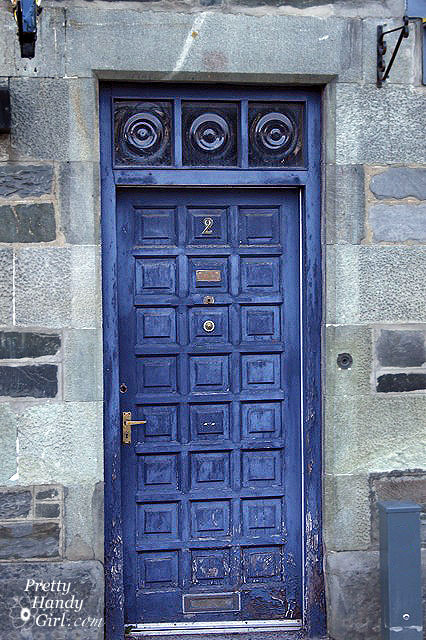
Frank Blue by Sherwin Williams - 24 panel navy blue door with antique look
Frank Blue by Sherwin Williams

Fort Pierce Green by Benjamin Moore Double wide arched door spotted in France with diamond pattern and sunburst arch
Fort Pierce Green by Benjamin Moore

Fine Wine by Sherwin Williams - Cranberry Red door with an angular porch cover spotted in Scotland.
Fine Wine by Sherwin Williams

Pulsating-blue-by-sherwin-williams - beautiful royal blue door in France
Pulsating Blue by Sherwin Williams

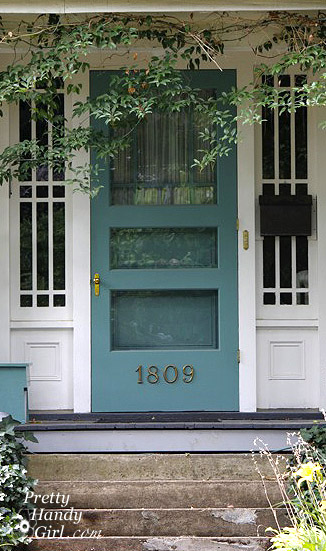
Cape Verde by Sherwin Williams - blue green door with climbing vines over front door shot in France
Cape Verde by Sherwin Williams

Colorful front doors
Blue Chip SW6959

Quite Red by Valspar. Tall double red doors with wrought iron detail on arched doorway opening
Quite Red by Valspar

Colorful front doors
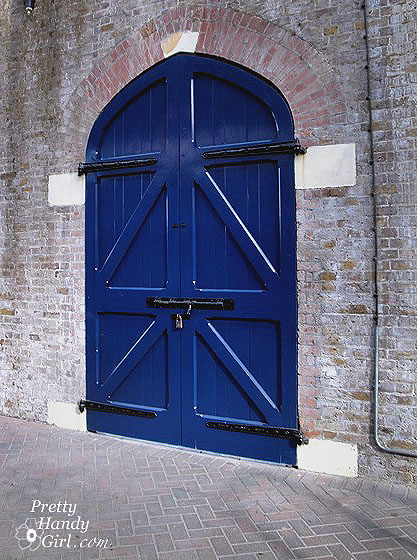
Nifty Turquoise by Sherwin Williams

Colorful front doors
Blue Blood by Sherwin Williams

Jekyll Club Veranda Blue by Valspar - skinny 10 light door spotted in France
Jekyll Club Veranda Blue by Valspar

Colorful front doors
Heart Throb by Sherwin Williams

Blue Chip by Sherwin Williams - Cute royal blue door in France with diamond iron grill over window
Blue Chip by Sherwin Williams

Vegas Green by Valspar arched emerald or Kelly green door with ornate windows and green stucco siding, white trim
Vegas Green by Valspar

La Fonda Fireberry by Valspar - Bright Red historic stone house in France
La Fonda Fireberry by Valspar

Great Barrington Green by Benjamin Moore - Olive or Army Green Double Doors spotted in Barcelona Spain
Great Barrington Green by Benjamin Moore

Spearmint by Sherwin Williams - Skinny little blue green door with potted tree in front of it. Spotted in Barcelona, Spain
Spearmint by Sherwin Williams

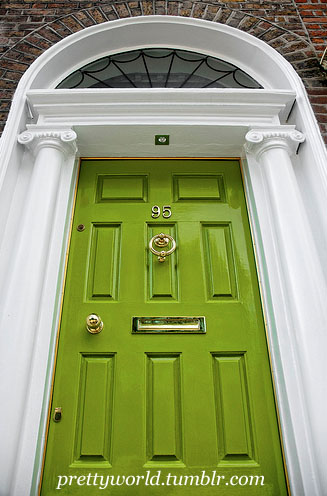
Talk about WOW factor! I found this green door online HERE.

Colorful front doors
Outrageous Green by Sherwin Williams

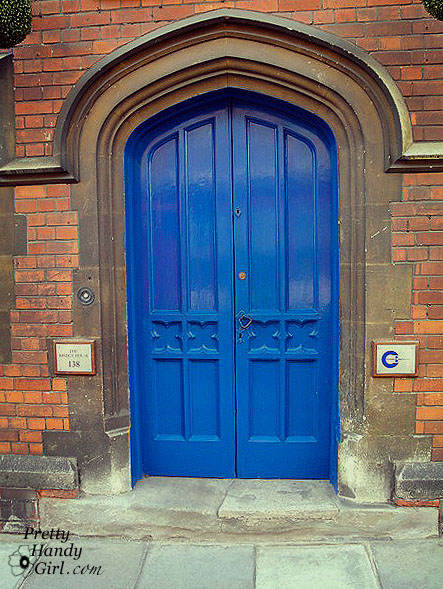
Bold Blue by Benjamin Moore - Dark blue violet double doors with centered door knobs shot in France
Bold Blue by Benjamin Moore

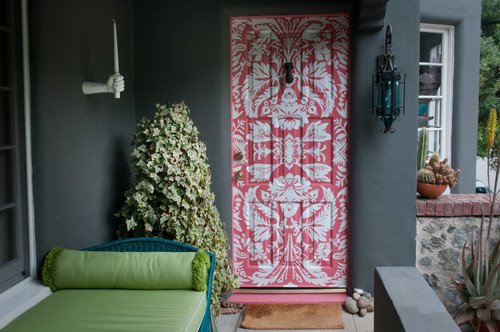
And if that isn’t enough to catch your attention, look what Allison Cosmos did to this door:

The Front Door eclectic entry

This design would work well on contemporary homes, as well as traditional for a pop of modern texture.

My all time favorite front door photo is this one from The Impatient Gardener. Could you tell that I’m drawn to blues?

Blue Chip by Sherwin Williams - White House with royal blue front door decorated for the holidays with snowfall
Blue Chip by Sherwin Williams


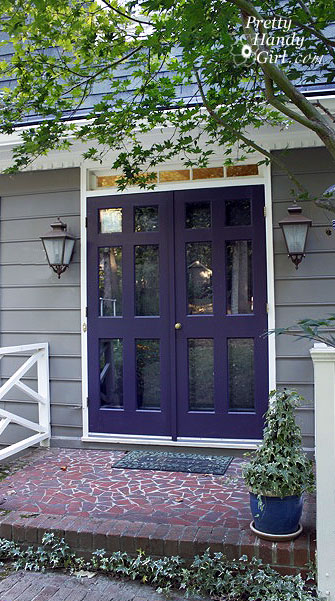
Back at the Pretty Handy Girl abode, my home’s doors were purple for over 7 years.

Purple_Honor_front_doors

Purple Honor by Duron Paint (ask a Sherwin Williams store to mix this color)

After that, I decided to add some vibrancy and paint the front doors an amazing green.

Perennial Green by Benjamin Moore

Before I painted them, I had to strip many layers of paint off them. If you ever need to strip paint off your front door, I have some tips and a tutorial for you.

But, I’m notorious for wanting to change things in and around my house. A few years ago, we needed to replace siding and I decided to paint the whole house a new color palette.

Lei Flower by Sherwin Williams with Inner Balance Siding Color.

Lei Flower by Sherwin Williams

Siding Color: Inner Balance by Benjamin Moore

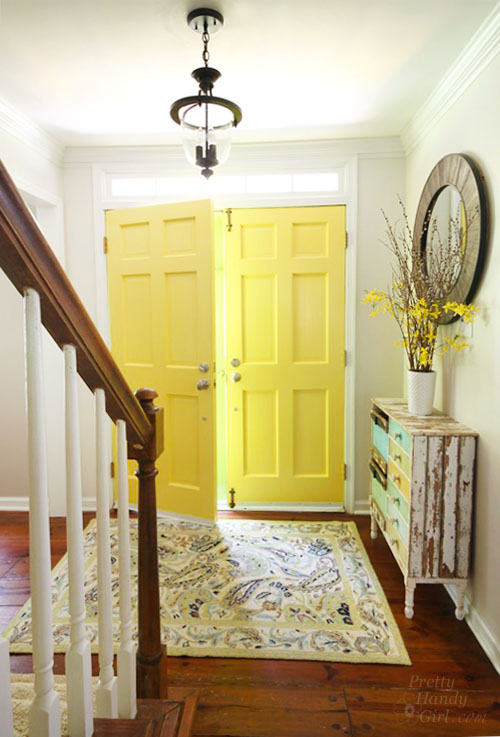
Because I love color, I also painted the inside of my front doors a cheery yellow!

Benjamin Moore Yellow Highlighter Painted Interior Doors | Pretty Handy Girl
Yellow Highlighter by Benjamin Moore

Don’t forget you can paint your out buildings and shed doors a fun color, too!

Spirit in the Sky by Sherwin Williams

How to Build this Cute Garden Shed
Calypso Blue by Benjamin Moore

Share this post because friends don’t let friends have boring front doors.

Pin this graphic to share these bright front door colors with your friends! I hope you found the perfect color choice for your front door!

vertical collage with colorful front door ideas and text overlay

I hope you have been inspired! Now Go Bold or Go Home!

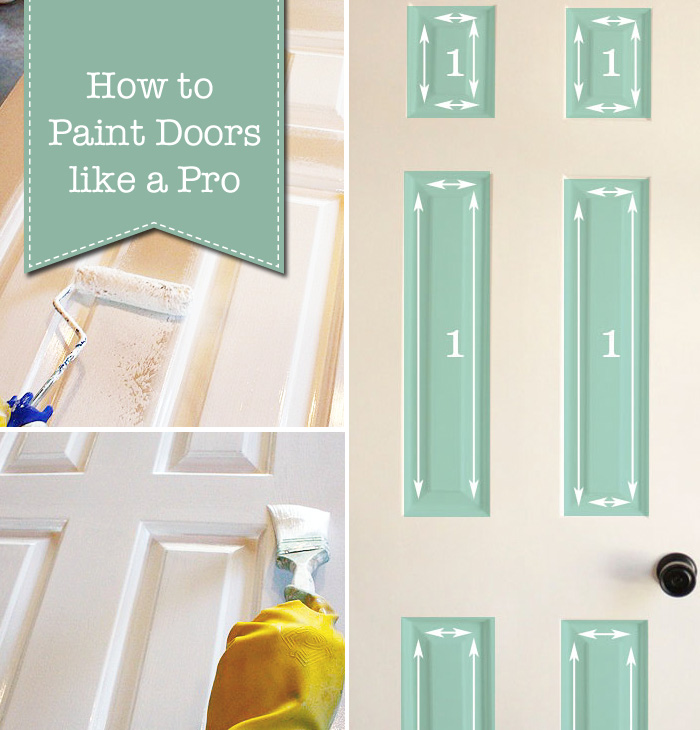
After you’ve learned how to choose the perfect color, you’ll want to learn how to paint your doors like a professional.

How to Paint Doors like a Professional | Pretty Handy Girl

Speaking of painting, I have painted almost every room in our home now. Make that almost every room in two homes!

You could say that over the years I’ve learned a few tricks of the trade.

If you’re planning to paint, I recommend these favorite painting tools that I pull out for every painting job.

Colorful front doors

If you like this post, you’ll want to find out the 15 Simple Ways to Improve Your Home’s Curb Appeal!

three houses with amazing curb appeal. White house with black shutters, 1 black and white modern house with wood accents, and one cream colored house with bright coral front door.

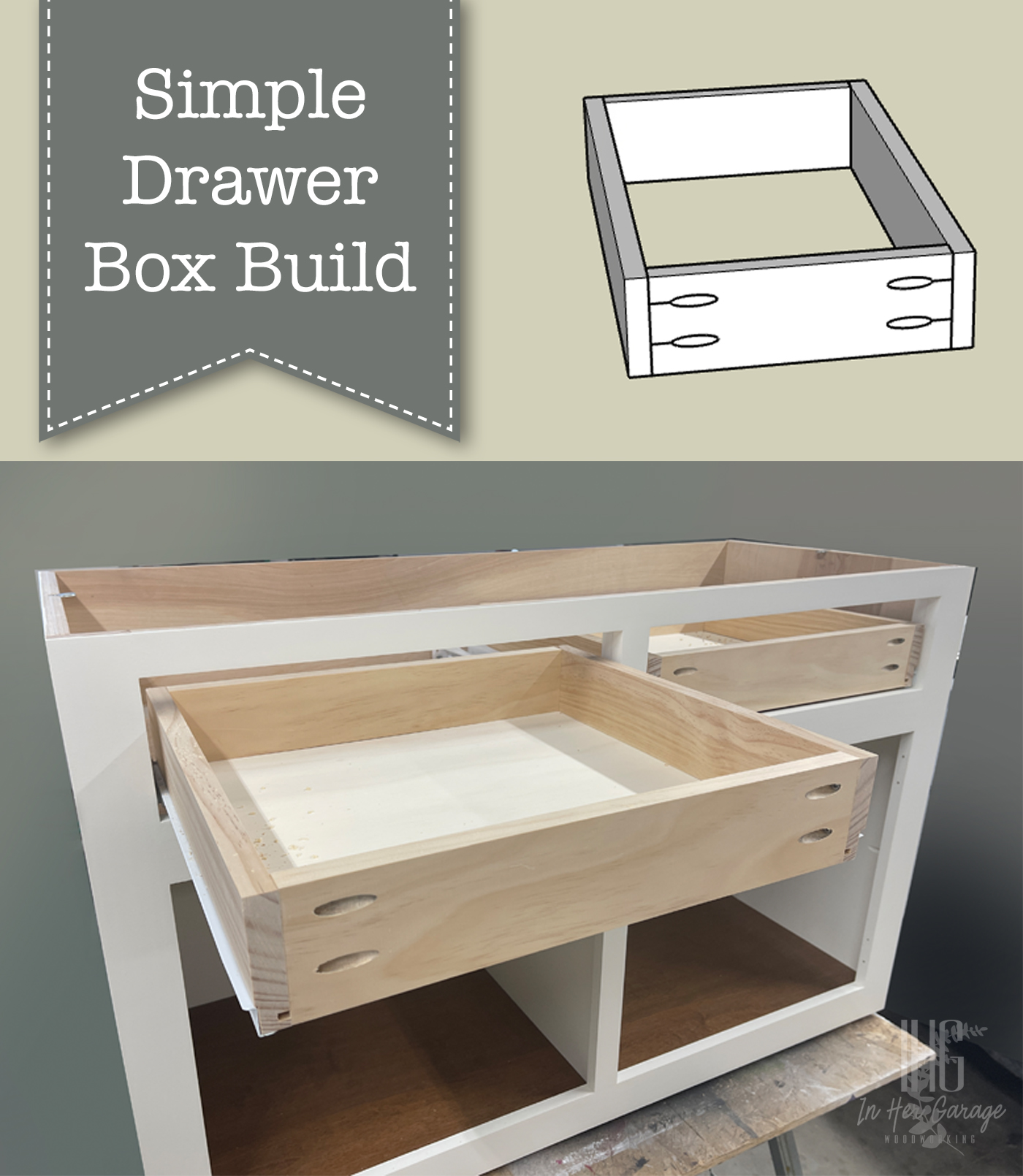
Learn the simplest and most accurate way to build drawer boxes with this easy tutorial.

Drawer Box Build

Welcome back, this is Kristen from In Her Garage Woodworking here with another build plan for you.  When I first began my DIY woodworking journey over 5 years ago I was most intimidated by building drawers. I avoided them because I thought there were too many measurements and too much room for error. But, with a simple plan and a lot of practice, I now make drawers consistently and accurately.  These are the exact plans I use to this day to make drawer boxes for all of my commissioned furniture pieces because when you’re able to make something quickly and easily that is solid and looks great, why would you ever change it?

Materials

(I’ve included affiliate links for your convenience. I earn a small percentage from a purchase using these links. There is no additional cost to you. You can read more about affiliate links here.)

Tools

Instructions:

Your drawer can be any depth you wish, but before building the drawers, rip your 3/4″ material to the drawer height you desire (if you are using plywood or if your 3/4″ material is wider than your finished drawer.

Step #1: Cut drawer box sides

Using your miter or circular saw, cut two identical 3/4” boards to the same length of the drawer slides you’ll be using.

Step #2: Cut drawer box front and back

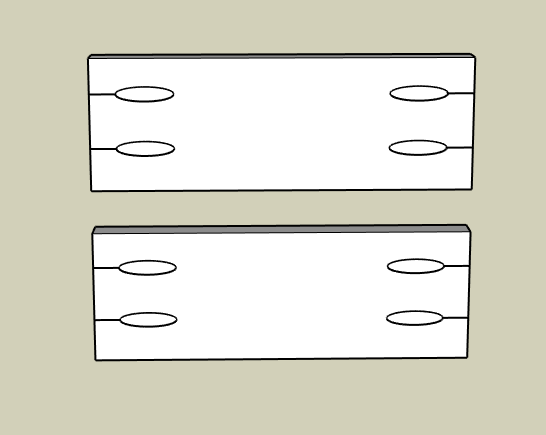
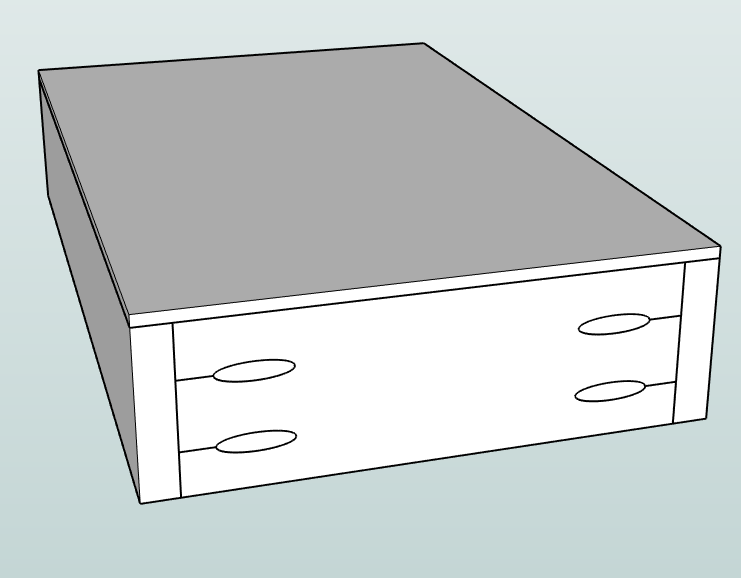
Cut two pieces of the 3/4 inch material for the front and back of the drawer box.  If you’re using ¾” material to build the drawer box then the length of the front and back can be calculated as follows (see equation and picture below):

Width of drawer box – 1½” = width of front and back drawer box boards

Drawer Box Diagram

Step #3: Add groove for drawer bottom (optional)

Taking all four 3/4″ boards to the table saw cut a groove 1/4” from the bottom of all sides that is 1/4” deep. Run the 3/4 board through one time, then adjust the fence (or your saw) to cut another groove next to the first. (A standard saw blade is 1/8” wide so you will need to make two passes in each board to achieve a 1/4″ groove for the 1/4″ drawer bottom material.

Dry-fit the plywood to check for fit.


Step #4: Create pocket-holes

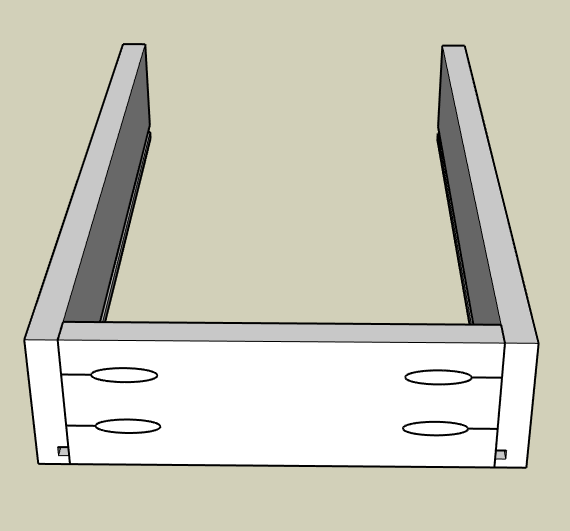
Using your Kreg jig make 2 pocket-holes at either end of the front and back boards on the opposite side as the plywood bottom groove if you chose to do this step. Be sure to avoid the groove.

Step #5: Assembly

If you DID NOT cut a groove to accept the plywood bottom, then you can assemble the drawer box using wood glue and 1 ¼” pocket screws.

Then, you will cut your bottom 1/4″ panel to the length and width of the drawer box and simply glue and nail it to the bottom of the drawer box

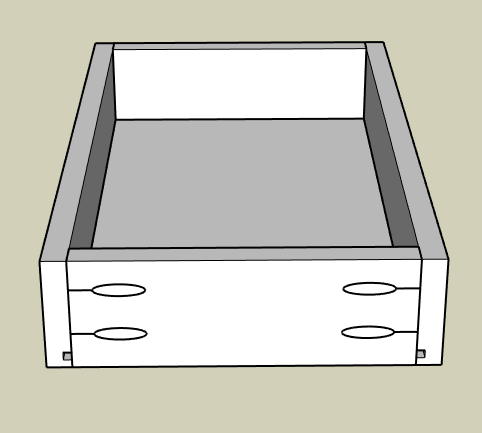
If you DID create a groove for the bottom panel assemble the front and both sides using wood glue and 1 ¼” pocket screws.

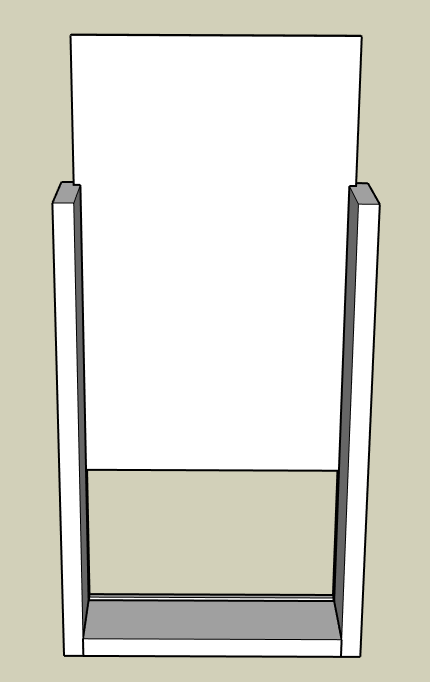
Next, cut the ¼” plywood to fit into the bottom of the drawer box groove dry fitting the back panel to check for fit.

Once you have the correct size for the plywood bottom then slide it into the groove and attached the back piece of the drawer box using wood glue and 1 ¼” pocket screws.  There is no need to apply glue into the panel groove.  The plywood bottom will “float” in place.

No need to worry about filling the pocket-holes because you will be applying a drawer face directly over them.

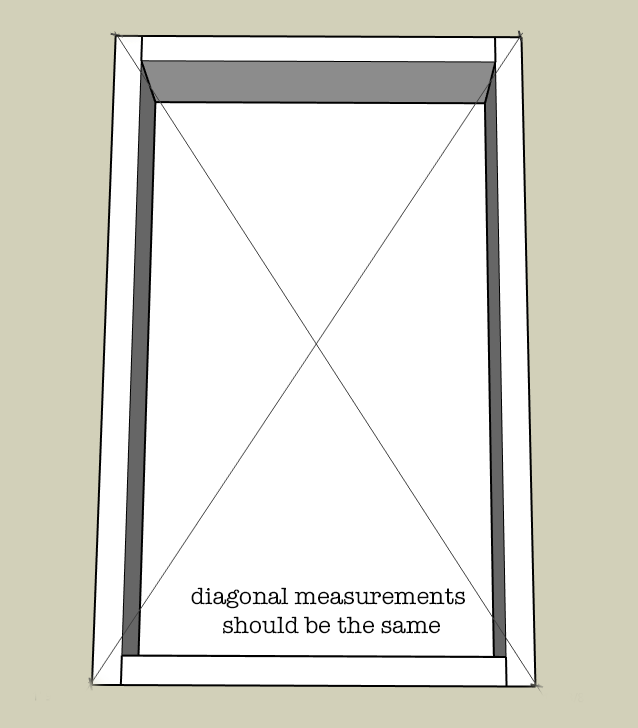
Be sure to check for square by measuring both diagonals of the drawer box.  If one measurement is longer simply squeeze the longer diagonal until both are the same.

Allow drawer box to dry.

That is the basic drawer box build that I use and it is strong and easy to put together. I hope this tutorial gives you the confidence to tackle that project you’ve been putting off.  Next, I will teach you my favorite method for installing drawers and how I troubleshoot drawer boxes that just aren’t quite the right fit!

Finishing Tips:

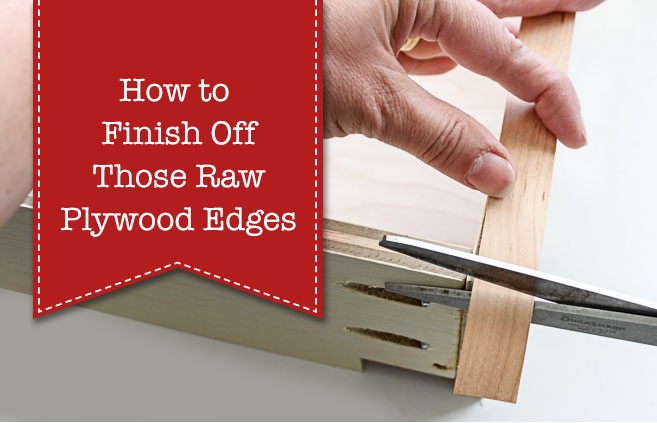
If you are making your drawer boxes out of plywood then check out Brittany’s Edge Banding Tutorial and learn how to cover that unsightly plywood edge.

Wondering how, or if, you should apply a protective finish to the drawer box? If I am working with solid wood for the drawer sides then I will give the material a quick finish sanding and that’s it. But, for plywood, I typically do one of two things, depending upon what I have on hand at that time.

  • Option 1: Apply 1 or 2 coats of sanding sealer to raise the grain of plywood and sand smooth. Sanding sealer is clear, easy to apply, and dries quickly. If I have the time and patience I may also apply a quick spray of clear, semi-gloss, water-based topcoat to give it a little shine but it isn’t necessary.
  • Option 2: Apply 2 to 3 coats of spray shellac to seal the plywood.  Spray shellac dries quickly and won’t leave any chemical smell behind. But be aware that it will give the plywood a slight amber tone which typically isn’t big deal.  Remember to lightly sand between coats.

Hi! I’m Kristen, from In Her Garage, and I am a self-taught woodworker and DIY fanatic from Minnesota where I live with my husband and our two daughters. Between being a wife, mom and, registered nurse, I try to make as much time for DIY as possible. My love for building came after our family built our current home in 2015. After we moved in, we needed furniture and instead of spending massive amounts of money to order the pieces we wanted I decided that I would build them myself. I started with a buffet table plan from the fabulous Ana-white and quickly set out to remodel my entire home office.

Since then I have started a side business building furniture for the people in my community. I love hearing my clients talk about the pieces they wish they had whether it be a rustic buffet table, a one drawer side table, or a toy box, and then making it a reality for them. While starting my small business it made perfect sense that I would document my building journey so I simultaneously launched the In Her Garage blog and I love sharing my plans, tips, and tricks.

Making something beautiful with your own two hands through a little preparation and determination is an amazing feeling and I hope to bring inspiration and know-how to those looking to tackle a big or small project.

I am so glad that you found me here and please feel free to connect with me on PinterestInstagram, and Facebook to see what I am working on right now. And check out the brand new In Her Garage Etsy shop for other plans or to have a furniture item made especially for you!

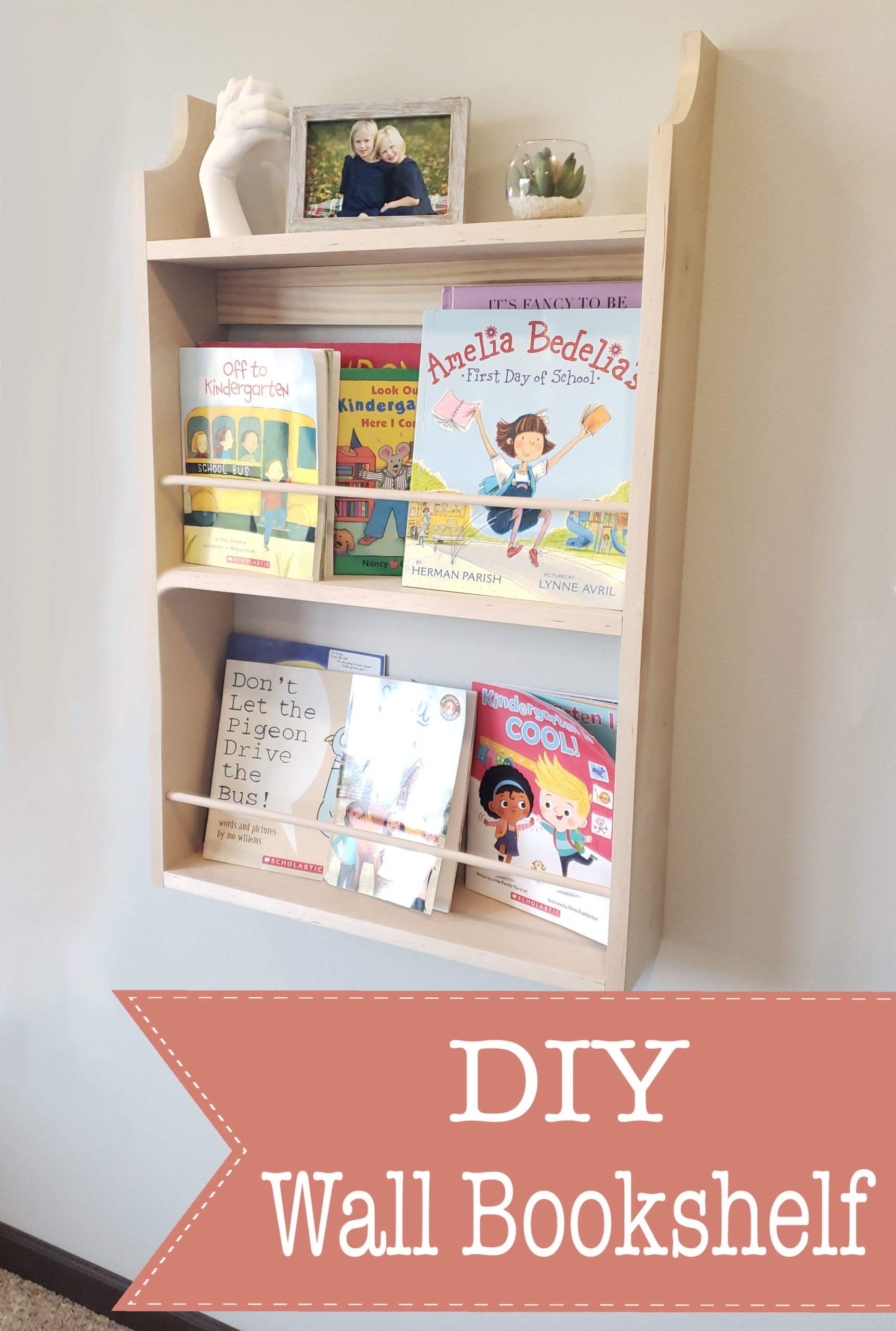
Looking for a way to organize and free up floor space in your home? Expand your DIY talents and build this adorable DIY wall bookshelf.  I built this as the final addition to my daughter’s new room and although the joinery is slightly more advanced it still easy enough for a beginner DIYer.

diy bookshelfDIY Wall Bookshelf

This bookshelf was the perfect last piece that brought my daughter’s room together.  I used dowel joinery to build the bookshelf (which may sound complicated but is fun to use and quite simple when you get the hang of it).  To hang this shelf on the wall I used a French cleat which again sounds more advance is a convenient and secure way to install heavy objects on a wall. So stay with me and read through the instructions. I know you can do this!  Let’s make it!

How to Make a DIY Wall-Mounted Bookshelf

Materials:

  • 2- 1″ x 6″ x 8′ boards
  • 1- 3/8″ x 4″ round dowel
  • 1 box 3/8″ wooden dowels
  • wood glue

Tools:

(I’ve included affiliate links for your convenience. I earn a small percentage from a purchase using these links. There is no additional cost to you. You can read more about affiliate links here.)

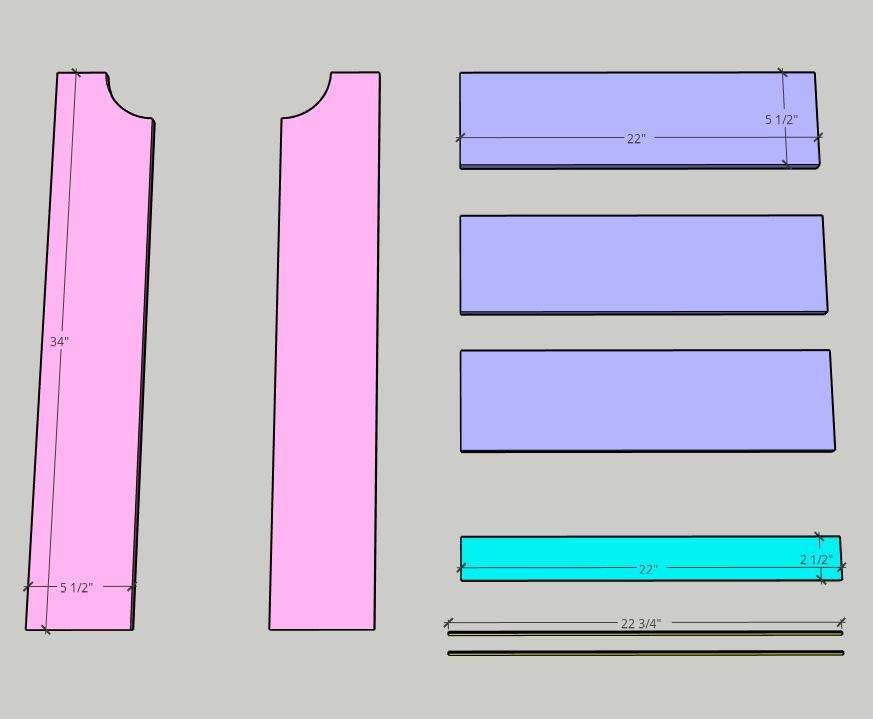
Cut List:

  • 2- 1″ x 6″ @ 34″ – shelf sides
  • 3- 1″ x 6″ @ 22″ – shelves
  • 1- 1″ x 6″ @ 22″ ripped to 2½” width – shelf cleat for hanging on the wall
  • 2- 3/8″ dowel @ 22 ¾” length

Instructions:

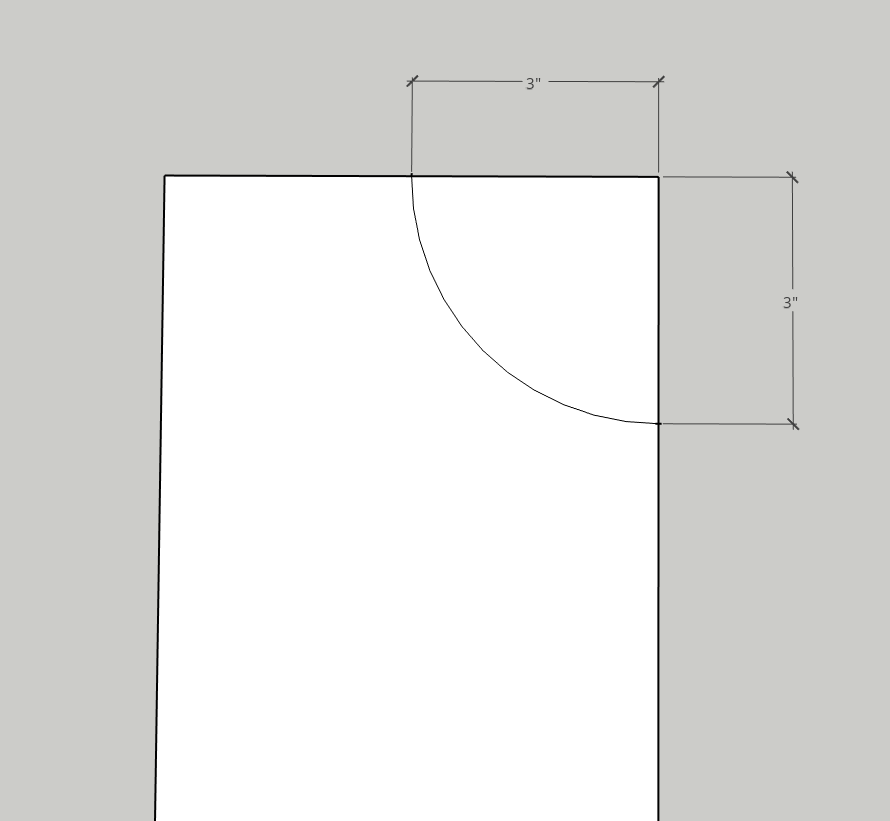
Step 1: Cut the curve at the top of the shelf sides (optional)

  • Measure 3″ in from the front and 3″ down from the top on both 1″ x 6″ side pieces and create a curve connecting the two marks. (I used a plastic bowl that I found in my kitchen as a stencil.)

  • Using your jigsaw, carefully cut along the curved line you’ve drawn until it is cut away.
  • Repeat for both sides. Sand the curve smooth with sandpaper.

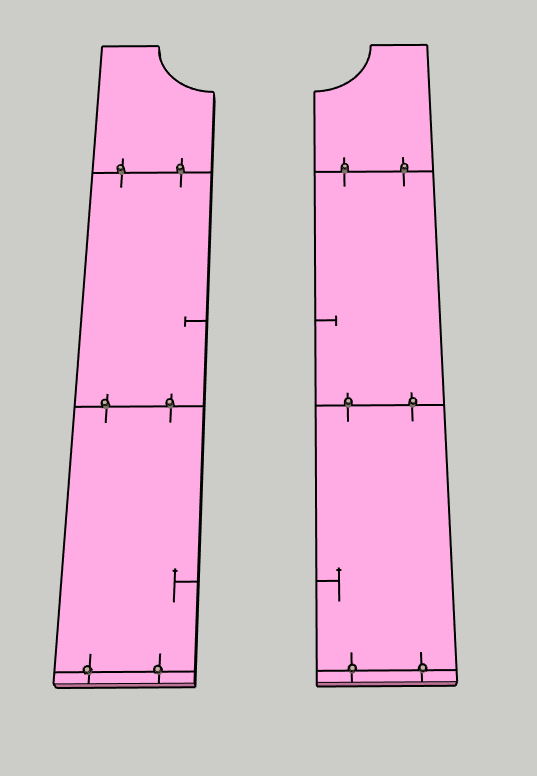
Step 2: Measure and mark dowel placement on the bookshelf sides

  • This is the step where the 6″ combination square is a lifesaver!
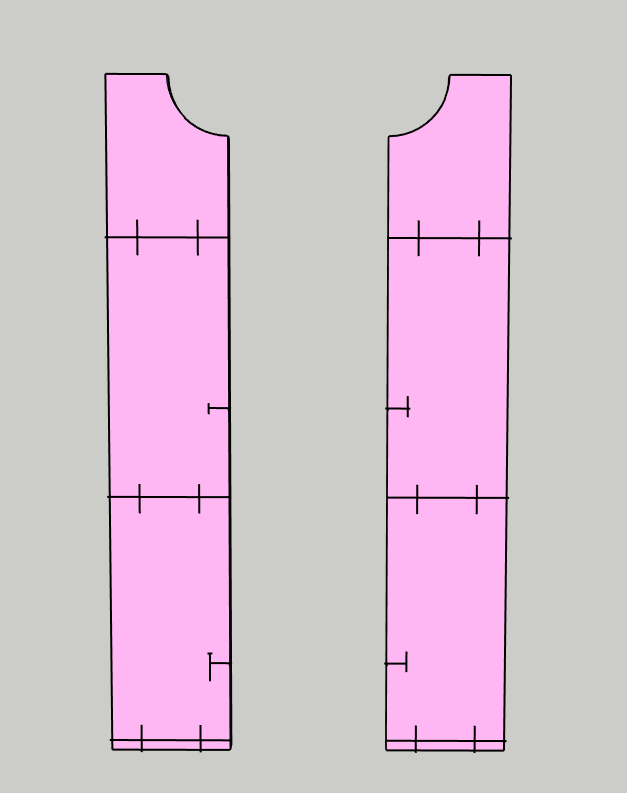
  • Lay the two side boards next to one another on your work surface so they are a mirror image of one another, insides facing up. (Like opening a book.)
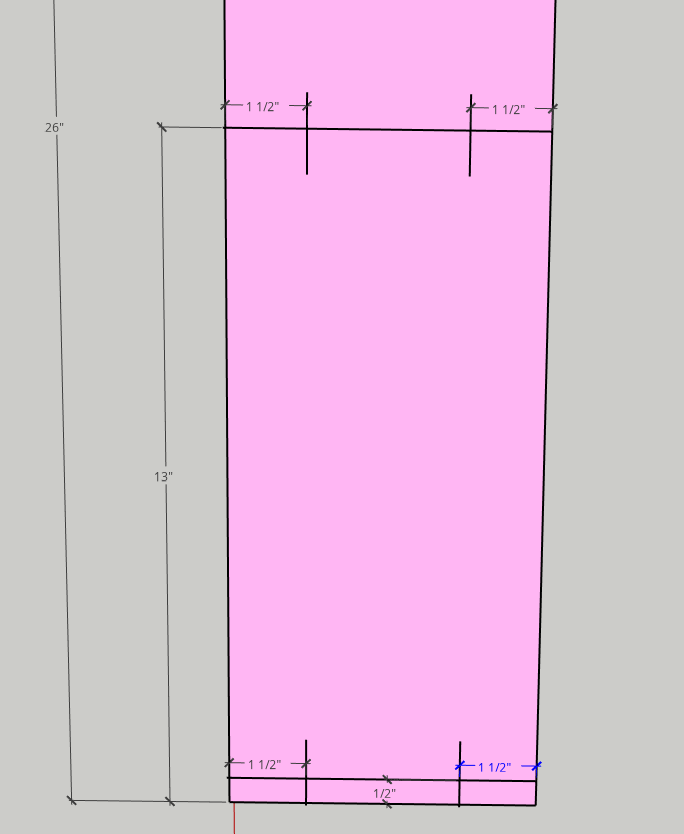
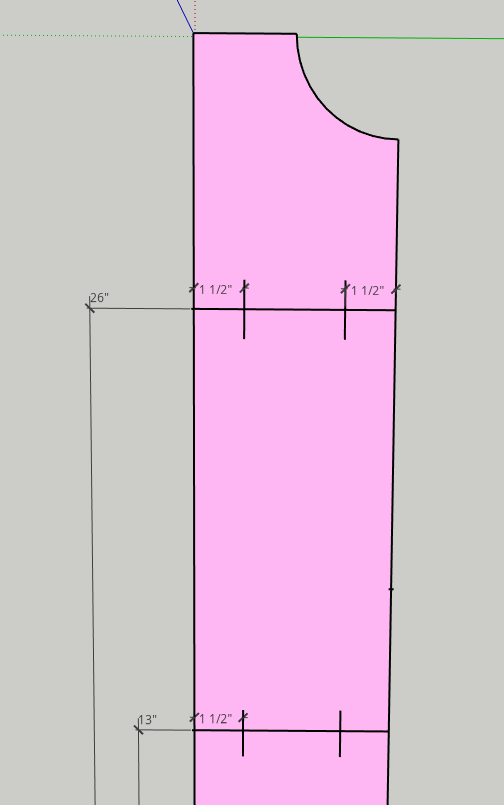
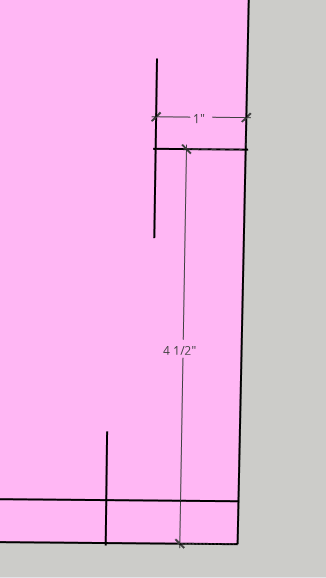
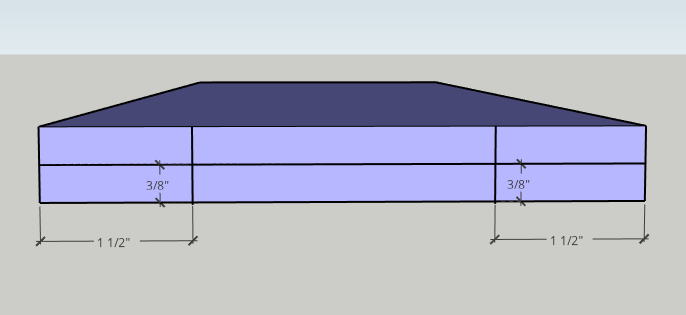
  • Use the diagram below for measuring and marking the placement of the dowels.


  • Each shelf dowel will be 1½” in from the front and back of the board and measure up 1/2″, 13″, and 26″ from the bottom of the board as shown.
  • Both long dowels will be measured and marked 1″ in from the front of each side and 4 ½” and 17 ½” from the bottom of the sides as shown

  • Repeat these markings for both sides of the bookshelf.
  • You should have a total of 16 markings. 8 for each side. 6 for the shelf dowels and 2 for the long dowels.

Step 3: Drill holes for dowels

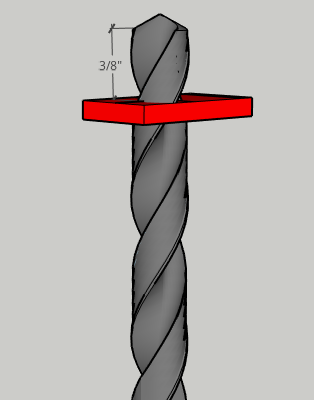
  • Using your 3/8″ drill bit place a piece of painter’s tape on the drill bit to mark a depth of 3/8″.  You don’t want to drill through the sides of the bookshelf, just half-way.

  • With the drill bit securely in your drill (and material clamped to your work surface), drill straight down into each marking of the side board until the drill bit has reached the depth of the tape.

  • You will create 16 holes in total, 8 for each side.

Step 4: Measure and mark dowel placement in shelf boards

  • Using your combination square, mark the center of each side edge of the 3 shelf boards
  • Next measure and mark 1 ½” in from the front and back of the 3 boards as shown. Make this same 1 ½” mark on the face of the boards as well for reference when using your doweling jig.

diy bookshelf

Step 5: Drill dowel holes in shelf boards

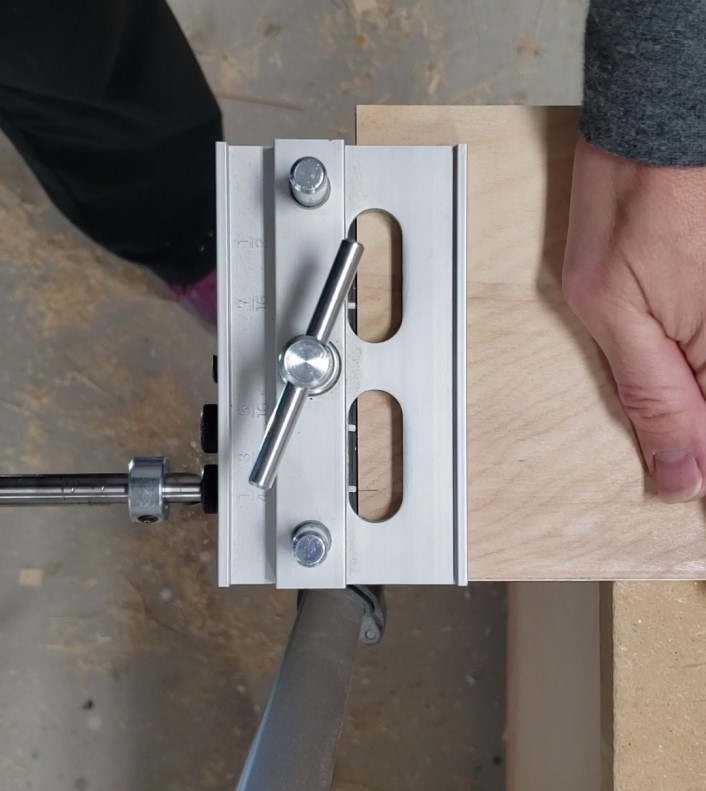
  • I’ll let you in on my secret! I use my Kreg pocket-hole bit for this step because it is 3/8″, it makes drilling into the end grain much easier and has a collar that can be set to the depth I want!
  • The depth of your hole = length of the dowel minus 3/8″ (the depth of the hole in the side boards.)
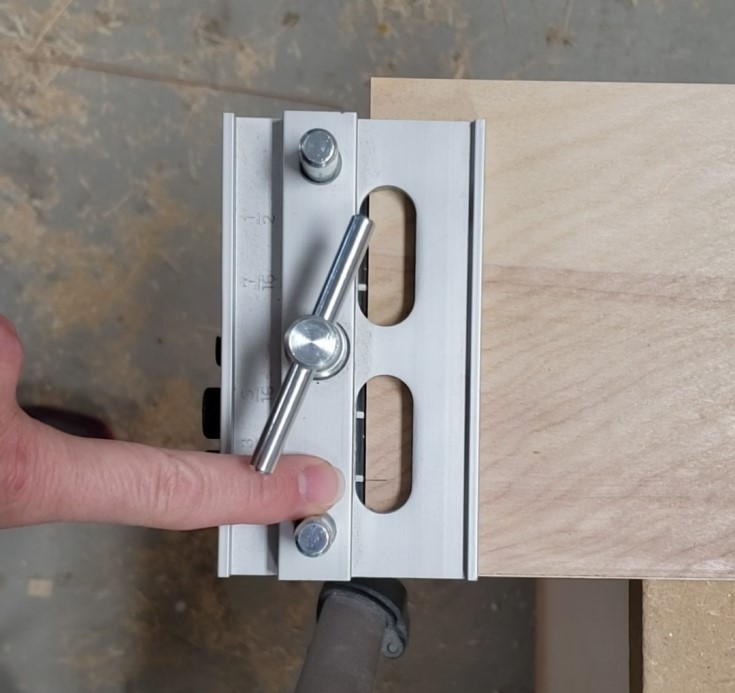
  • Now, using your doweling jig and the reference marks you’ve created on the face of the board you can go ahead and drill the 12 holes to the depth determined above into the sides of the shelves.

Step 6: Dry fit!

  • It is important when using dowels for joinery that you complete a dry fit test of the project first.
  • You want to make sure the holes are large enough and deep enough for the dowel and that all pieces can securely fit together without gaps.

Assemble the Shelf!

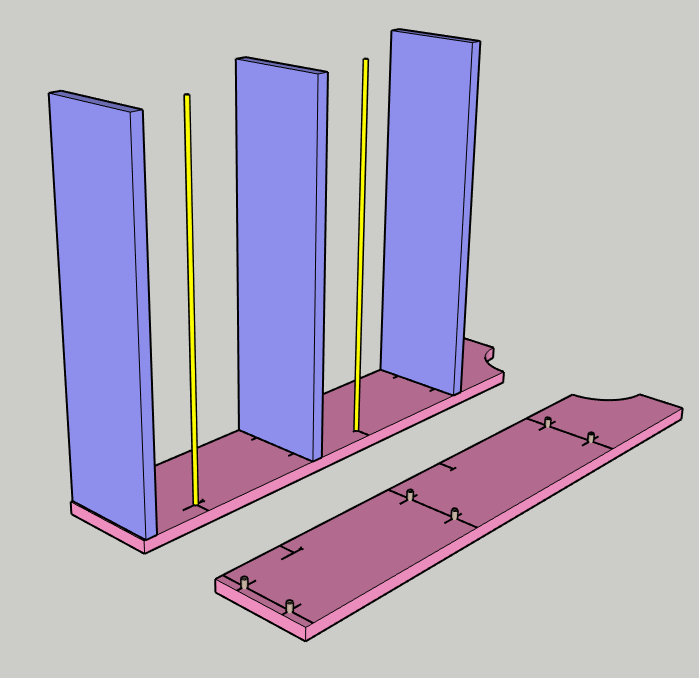
Step 7: Install shelf dowels and shelves

  • Using wood glue install all 12 shelf dowels into the holes of both side boards.
  • Next, using wood glue, install the shelves over their respective dowels and gently tap into place using a rubber mallet.


Step 8: Install long dowels

  • Place a drop of glue in both holes for the long dowels and insert dowels

Step 9: Install the remaining side board

  • Carefully place the remaining side board over the shelves and long dowels have already been installed.
  • Align the dowels and long dowel holes and gently tap the side into place with a rubber mallet.

  • Check for square and clamp into place to allow the glue to dry.

Note: As you can see I forgot to insert the long dowels during assembly. I was able to add them later and I will have a scar to show for it!

Step 10: Hanging the shelf on the wall

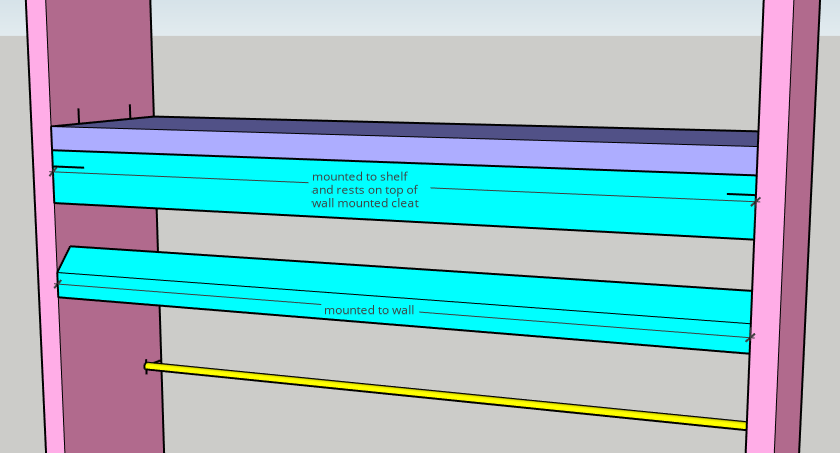
For this step, I chose to use a French cleat. I wanted the shelf to be flush to the wall and very secure which is what makes a French cleat the best choice.  View the basic diagram below or for step by step instruction check out How to Make and Use a French Cleat.

DIY French Cleat


I used pocket screws to secure the top portion of the French cleat to the bookshelf.

Once the French cleat is secured to the bookshelf and the wall you will be able to hang the bookshelf securely on the wall and place as many books in it as needed.  My daughter loves her new bookshelf and she always feels so special when Mom makes something just for her.

I hope this tutorial proves helpful in adding a little style and organization to your home.

Hi! I’m Kristen, from In Her Garage, and I am a self-taught woodworker and DIY fanatic from Minnesota where I live with my husband and our two daughters. Between being a wife, mom and, registered nurse, I try to make as much time for DIY as possible. My love for building came after our family built our current home in 2015. After we moved in, we needed furniture and instead of spending massive amounts of money to order the pieces we wanted I decided that I would build them myself. I started with a buffet table plan from the fabulous Ana-white and quickly set out to remodel my entire home office.

Since then I have started a side business building furniture for the people in my community. I love hearing my clients talk about the pieces they wish they had whether it be a rustic buffet table, a one drawer side table, or a toy box and then making it a reality for them. While starting my small business it made perfect sense that I would document my building journey so I simultaneously launched the In Her Garage blog and I love sharing my plans, tips and tricks.

Making something beautiful with your own two hands through a little preparation and determination is an amazing feeling and I hope to bring inspiration and know-how to those looking to tackle a big or small project.
I am so glad that you found me here and please feel free to connect with me on PinterestInstagram, Facebook, and Youtube to see what I am working on right now.


diy french cleat

I am going to teach you how to securely hang heavy objects on the wall with a board and a few screws. Using a French Cleat has been a tried and true method for hanging heavy objects and is used by professional cabinet makers and DIYers alike. It can be incorporated into the item being built or added after the fact.

DIY French Cleat

How to Make a French Cleat

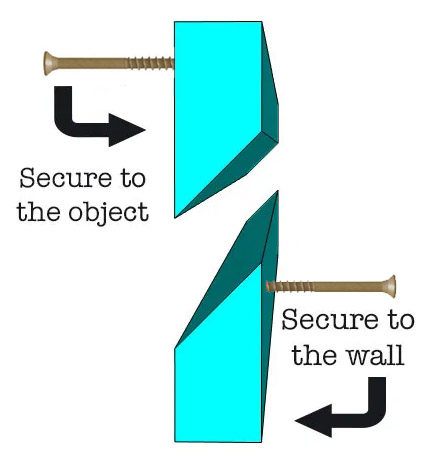
What is a French Cleat?  A French Cleat is a board or molding with a 30°-45° bevel cut attached to the wall along with a corresponding beveled board or molding attached to the object to be hung on the wall. That sounds a little confusing but check out the diagram below and it will all make sense. First let’s grab a few supplies.

DIY French Cleat

Materials:

(I’ve included affiliate links for your convenience. I earn a small percentage from a purchase using these links. There is no additional cost to you. You can read more about affiliate links here.)

  • 1″ x 3″ board or 3/4″ plywood strip (3″ minimum width)
  • 2″ screws

Tools:

Instructions:

Step 1:

Measure the length that you need your French cleat to be. Typically a french cleat is the length of the item to be hung on the wall and spans the length of at least 2 studs in the wall that the item will be secured to.

Step 2:

Adjust your table saw or circular saw to a 30°-45° bevel and rip your board along the center. (For tips on using a table saw safely, read this article.)

Step 3:

Secure the top piece of the cleat to the item to be hung (see diagram shown below). This can be done with pocket-holes, glued under a shelf, or with screws to the back of the item. (You may want to pre-drill your holes to avoid splitting the wood.)

DIY French Cleat

Step 4:

Choose the height at which you want to hang the item on the wall and mark where the bottom cleat will be placed. Mark the studs that the cleat will be screwed into and secure the cleat to the wall using wood screws and a level in the orientation shown above. (Again, you may want to pre-drill your holes to avoid splitting the wood.)

Step 5:

Gently place the object above the wall cleat and lower until the two pieces are securely nested together.

Often times the weight of the object and the angle of the beveled cleat is enough to keep the object securely in place. But, if you’re worried about children lifting the item, you can add a screw through the hanging object into the cleat or a wall stud for peace of mind.

DIY French Cleat

And if you’re excited about using a French Cleat, you might like to make a headboard that is hung on the wall using a French Cleat!

rustic-king-headboard-side-view

This is a great tip for hanging cabinets on the wall as well. I hope you try your hand at making and using a French Cleat soon. Let me know how it goes!

Hi! I’m Kristen, from In Her Garage, and I am a self-taught woodworker and DIY fanatic from Minnesota where I live with my husband and our two daughters. Between being a wife, mom and, registered nurse, I try to make as much time for DIY as possible. My love for building came after our family built our current home in 2015. After we moved in, we needed furniture and instead of spending massive amounts of money to order the pieces we wanted I decided that I would build them myself. I started with a buffet table plan from the fabulous Ana-white and quickly set out to remodel my entire home office.

Since then I have started a side business building furniture for the people in my community. I love hearing my clients talk about the pieces they wish they had whether it be a rustic buffet table, a one drawer side table, or a toy box and then making it a reality for them. While starting my small business it made perfect sense that I would document my building journey so I simultaneously launched the In Her Garage blog and I love sharing my plans, tips and tricks.

Making something beautiful with your own two hands through a little preparation and determination is an amazing feeling and I hope to bring inspiration and know-how to those looking to tackle a big or small project.
I am so glad that you found me here and please feel free to connect with me on PinterestInstagram, Facebook, and Youtube to see what I am working on right now.