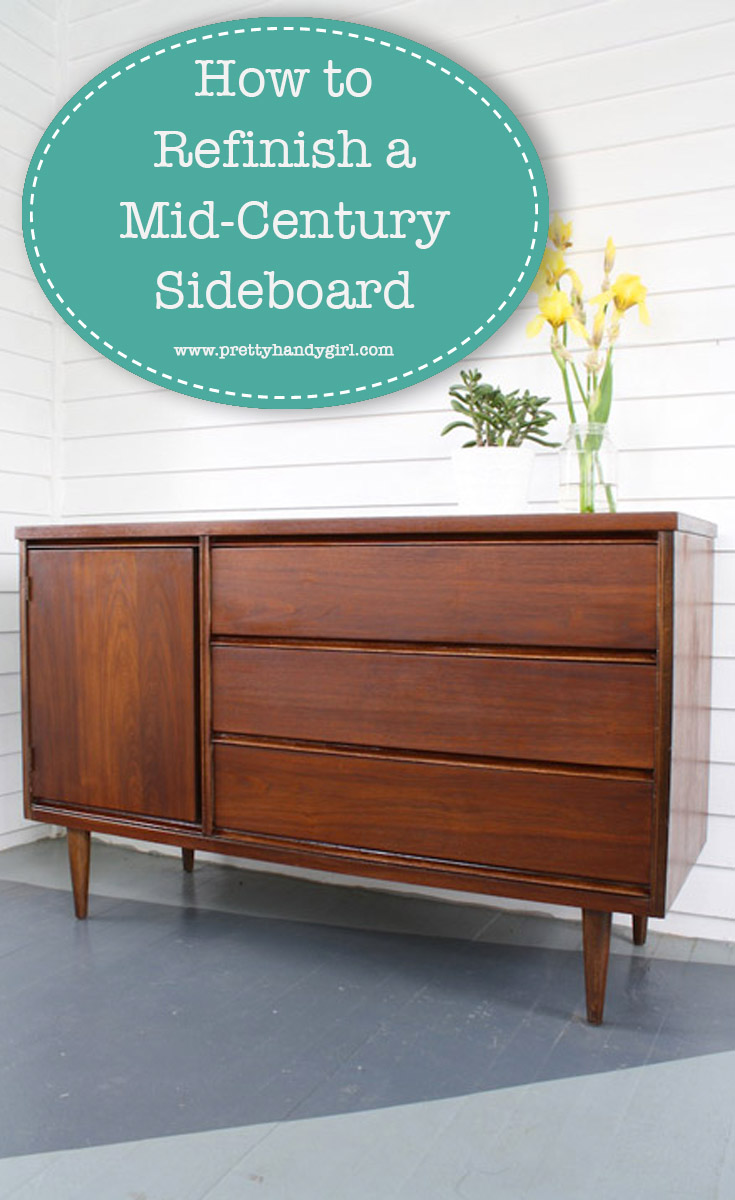
A refinished wooden sideboard left with a natural stain – not painted! Learn how to refinish this sideboard.

Have you ever turned down a piece of furniture that looks ruined? Aha, today’s rocker is Emily and she has the superpower to make furniture look brand new again!  On the Rockstar DIY stage today is a performance you won’t forget. Emily will single-handedly take you through the steps of Refinishing a Mid-Century Sideboard.

Rockstar DIY Series

If you haven’t met Emily yet, she is truly a Rockstar! Emily lives in Rochester, NY and is ALWAYS working on an amazing home improvement project.

Emily-MerryPad

Emily can be found with a hammer, saw or drill in her hands at MerryPad. She has painstakingly renovated two homes. And, as if she wasn’t busy enough with home projects (and taking care of a baby and her step-daughter), she can also be found blogging at DIYNetwork’s Made + Remade. That girl is a machine!

Oh, I hear the sound of a sander, so put your hands together and give it up for Emily!

page_break_2

Hey guys! Super nice to meet you. If we haven’t already met, I figured there’s one thing you should know about me: I really like getting my hands dirty. Building furniture can be fun, and learning how to maintain my home has brought me a lot of pleasure, but if you see me and you notice my hands and arms are coated by stain? Well, you’ll know that I’ve been having a really good time (and I’ve probably run out of mineral spirits, again). Refinishing and restoring furniture–and cabinets, and floors, among other things–is one of my favorite DIY endeavors, always a fun learning experience, and always an opportunity to bring new life into an item that was once beautiful. I’ve had some lucky secondhand finds over the years, from bedside tables to chairs, but one of my favorite transformations was this Bassett Sideboard that I scored from a garage sale for $15.

How to refinish a vintage midcentury sideboard with scratches and water damage.

T’was one of my first refinishing projects, swoon.

If you’re tackling your first refinishing project (or just looking for tips), here are the products and tools I used for this makeover:

  • Detail palm sander and normal sandpaper to get into small crevices
  • Rags (general clean up cloths, and old rags or socks for applying the stain)
  • Tack cloths (the tack cloths are wonderful for cleaning all evidence of sanding dust before staining)
  • A paint brush and high-density foam roller (for application of the conditioner and polyurethane topcoat)
  • Pre-stain wood conditioner
  • Oil-based stain (for this piece I chose English Chestnut by Minwax)
  • Gloss polyurethane

An extraordinary amount of sanding went into eliminating the damage that had existed in the top surface. Scratches are relatively easy to cure, but you never know how bad the water damage is until you start sanding deep, as evidenced by this progress photo:
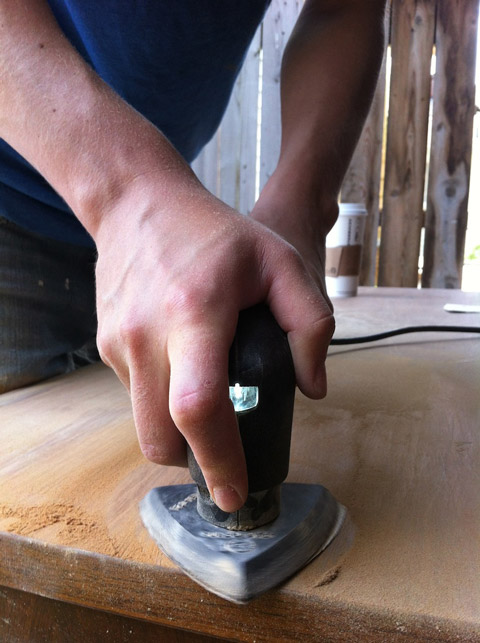
How to refinish furniture with scratches and water damage.

Elbow grease and a few more courses of low-grit sandpaper (80-120) helped to transform the surface of the sideboard into a raw wood state and eliminate the visible water rings. You might find that your water damage runs deeper – every case is different. Read more
Install a ReadyMade Mirror Frame on Door | Pretty Handy Girl

Install a ReadyMade Mirror Frame on Door | Pretty Handy Girl

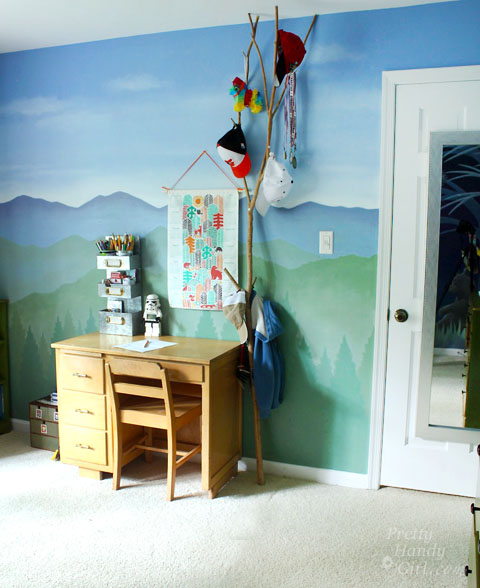
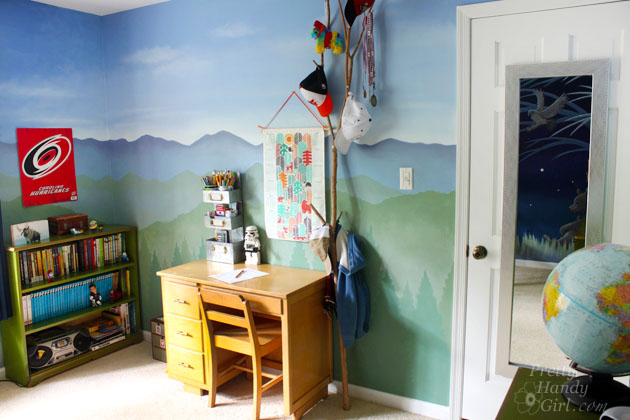
You guys, I can’t believe I have a middle schooler. I know, I know, I’ve been having a pity party for myself for two weeks. But, I’m finally coming to terms with it. This past week, I helped Handy Boy #1 de-clutter his room and carve out a space for him to do his homework (without being interrupted by his younger brother.) We moved his furniture around and actually had a lot of fun talking and working together.

Install a ReadyMade Mirror Frame on Door | Pretty Handy Girl

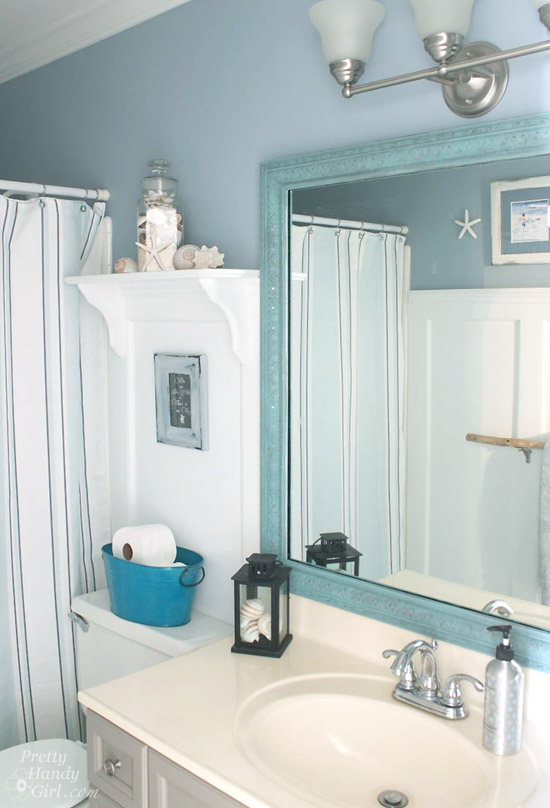
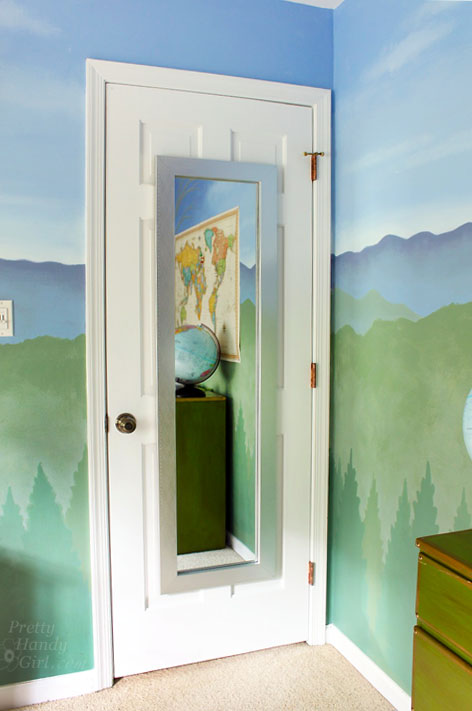
I also installed a mirror on his door. Although he’s not obsessed with how he looks or dresses yet, I know that time is coming soon. Instead of putting up a cheapy plastic-framed mirror, I worked with MirrorMate to test out their new READYFrame kit. You may remember when I ordered a custom MirrorMate frame for that ugly and naked mirror in my sons’ bathroom. It still looks great today (although I painted it blue for a new look.)

Seaside Theme Bathroom Refresh #LowesCreator | Pretty Handy Girl

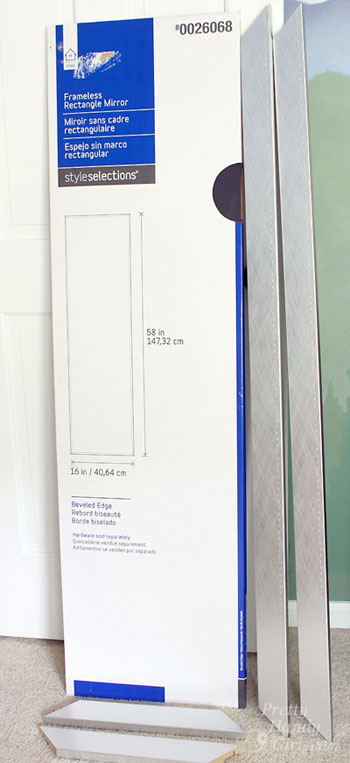
MirrorMate now sells pre-made frames that fit several of the standard sized mirrors you can buy at Lowe’s, IKEA or HomeDepot. I chose the Essex Crosshatch Silver and the tall 16″ x 58″ mirror from Lowe’s.

I didn’t need to purchase any hanging hardware because MirrorMate ships it with your frame.

Install a ReadyMade Mirror Frame on Door | Pretty Handy Girl

Want to see how easy it was to hang and dress up the mirror? I’ll give you a hint, it was easy and it looks beautiful!

Materials:

(I’ve included affiliate links for your convenience. I earn a small percentage from a purchase using these links. There is no additional cost to you. You can read more about affiliate links here.)

Install a ReadyMade Mirror Frame on Door | Pretty Handy Girl

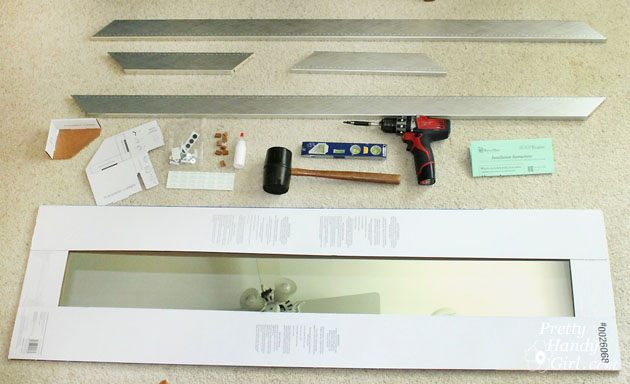
  • MirrorMateREADYFrame
  • Screwdriver (or drill with phillips head bit)
  • Rubber mallet (or hammer)
  • Tape measure
  • Pencil
  • Level
  • Wet wipe
  • Heavy book or weight
  • Thumbtack or pin
  • Rubbing alcohol
  • Cotton ball or rag
  • A helper

Assembling the Frame:

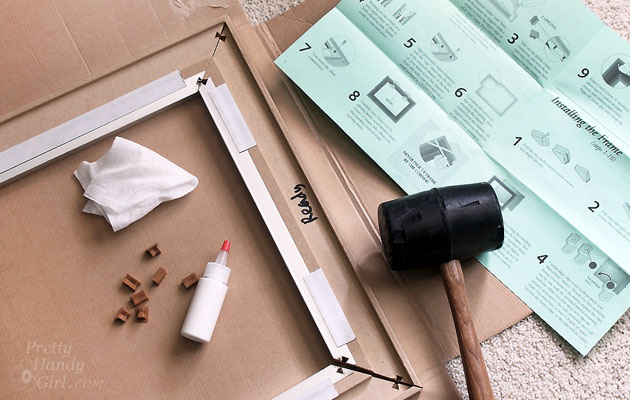
Open up the READYFrame box and remove the frame connectors from the packaging.

Install a ReadyMade Mirror Frame on Door | Pretty Handy Girl

Remove the top from the glue and peel off the seal. Poke a thumbtack in the glue bottle to create a hole in the nozzle. Apply glue to the edges of theREADYFrame. Read more

Pros and Cons of 4 Types of Picture Hangers

Pros and Cons of 4 Types of Picture Hangers

Hello! It’s Jessica, from Decor Adventures and I’m back this month with some very handy tips to help hang items up on the wall. Do you ever wonder which picture hanger to use? Did you know there are several ways you can hang things up? From curtains to art and mirrors to lightweight decorations — there are many options for hanging (and sometimes you don’t even have to put a hole in your walls.)

I live in a 115 year old house that has both plaster and drywall, and I’ve experimented with many types of ways to hang items on the walls. Today I’ve compiled The Pros and Cons of 4 Picture Hangers.

1. Picture Hooks and Nails:

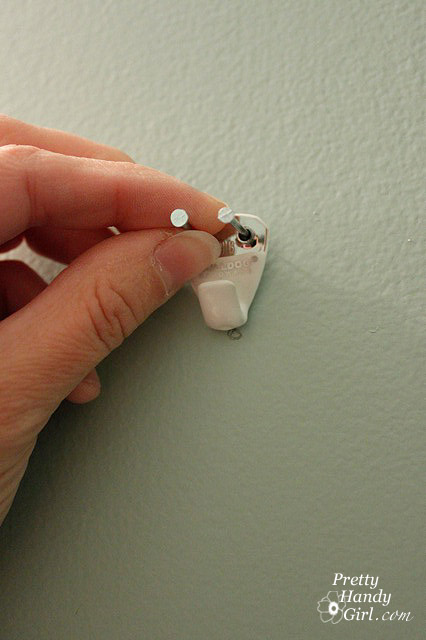
This is probably the most common way to hang up items. Simply mark where your item will go and hammer in your nail and hanger. Brittany shows you how to hang up items when putting together a gallery wall here.

insert-nails-into-hanger

Pros:

Hooks and nails come in many lengths so they can work well in most walls and are easy to use. They are also affordable and go into a wall quickly. All you need is a hammer.

Cons:

Hooks and nails don’t always work in every wall type and can rust. They can’t be used in plaster walls. When hanging heavier art, you need to find a stud to nail into. Read more

Make Your Own Clock Sign | Pretty Handy Girl

Make Your Own Clock Sign | Pretty Handy Girl

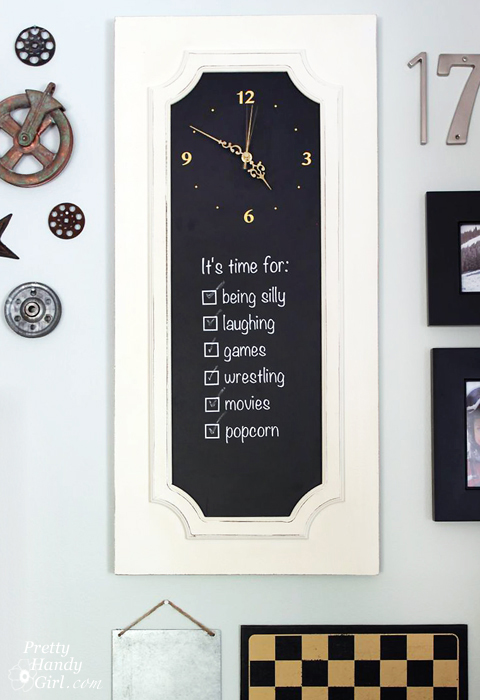
Making a clock is an easy project. All you need is a flat surface that you can drill a hole into and BOOM, you can make a clock. Let’s get started and I’ll show you How to Make Your Own Clock Sign.

Materials:

Make Your Own Clock Sign | Pretty Handy Girl

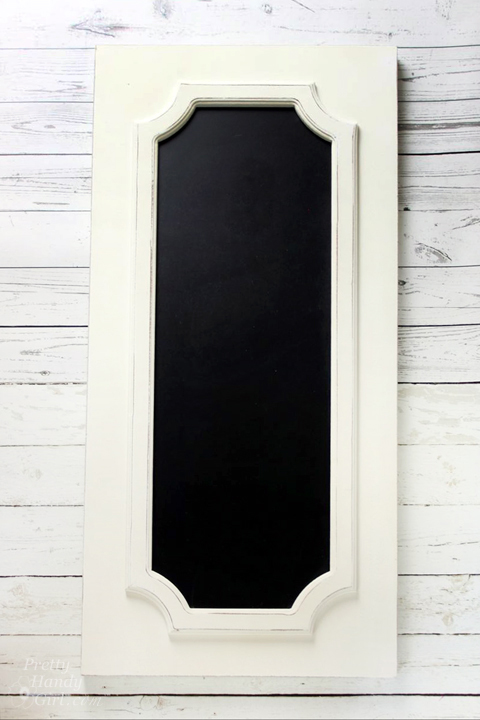
  • Chalkboard sign (I purchased this chalkboard sign at Tuesday Morning.)
  • Clock mechanism
  • Ruler
  • Drill
  • Drill bit
  • Chalk
  • Damp rag
  • Vinyl lettering and numbers
  • Plate or circle template

Instructions:

Use a ruler to mark the center of your chalkboard sign near the top. (Center from the sides and use the same measurement down from the top for a balanced look.)

Make Your Own Clock Sign | Pretty Handy Girl

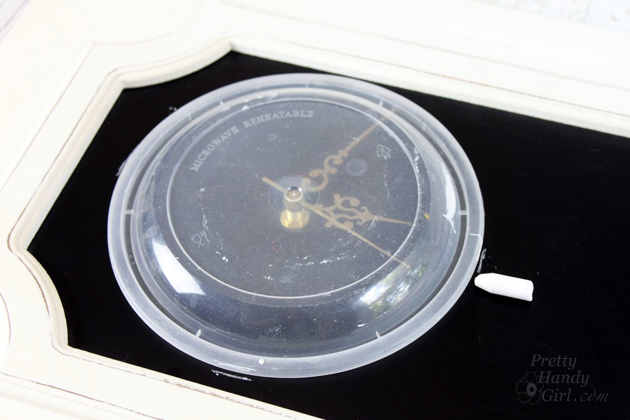
Use a plate or circle template to trace a circle for the clock face.

Make Your Own Clock Sign | Pretty Handy Girl

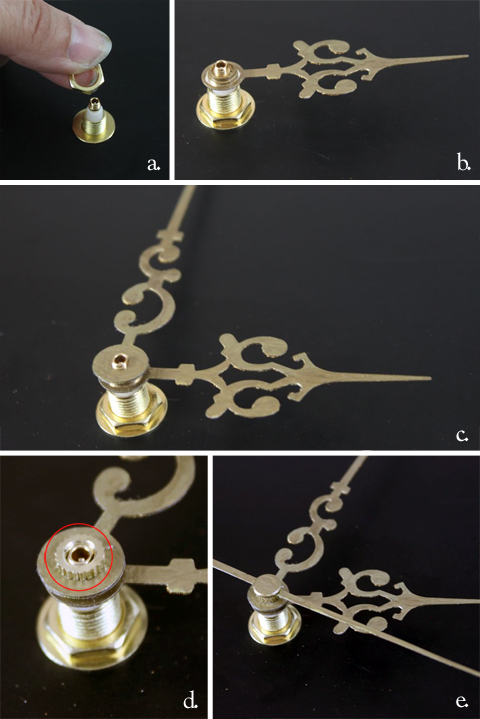
Disassemble the clock hands and parts. Lay them out in the order you removed them.

Make Your Own Clock Sign | Pretty Handy Girl

Insert the clock mechanism through the back of the hole. Read more

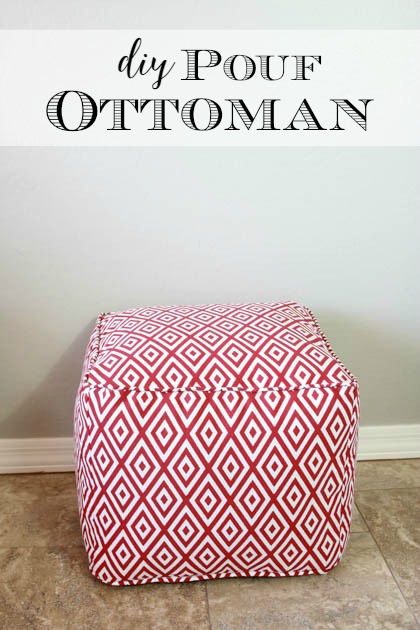
DIY Pouf Ottoman ~ Tutorial and Lessons Learned

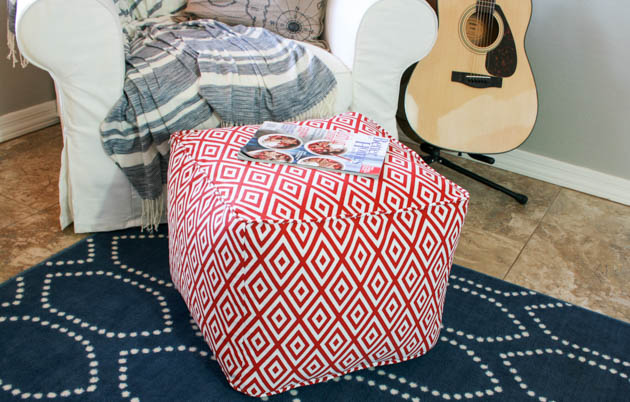
Hey everyone!  It’s Katie again from Addicted 2 DIY.  Today, I have (1) a tutorial on how to make a fun DIY pouf ottoman and (2) a few lessons I learned while I was making mine that will help you out when making your own.  I’m pretty certain it’s hard to miss the fact that pouf ottomans are everywhere right now.  The problem is the price.  These babies are expensive!  I refuse to pay a high price for something that I can make myself. I bought some fabric and figured out how to make my own!

DIY Pouf Ottoman ~ Tutorial and Lessons Learned

I’m no pro at sewing, so know that this is a tutorial for even a novice sewer! Sewing is not one of my chosen hobbies, but I do love the fact that I am able to save a ton of money when I make things myself.

Materials:

Instructions:

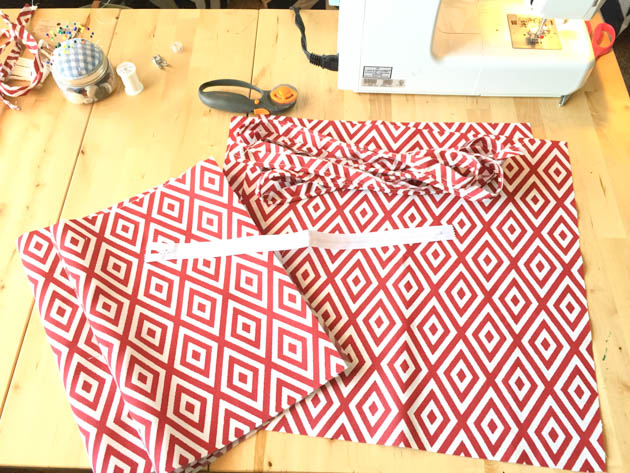
Cut your fabric pieces.  For the top and bottom of the pouf, cut two squares of fabric at 19×19″.  For the sides, cut four pieces at 19×15″.

DIY Pouf Ottoman ~ Tutorial and Lessons Learned

Sewing on the Zipper:

Sew two side pieces together (on the short sides) with a basting stitch.  Press open the seam and place the zipper face down on the seam.  Pin the zipper in place.  (Note:  You don’t have to use a zipper, and I didn’t on my first pouf, but it will make it difficult to sew together when it is stuffed because the polystyrene beads will try to fall out everywhere.) Read more