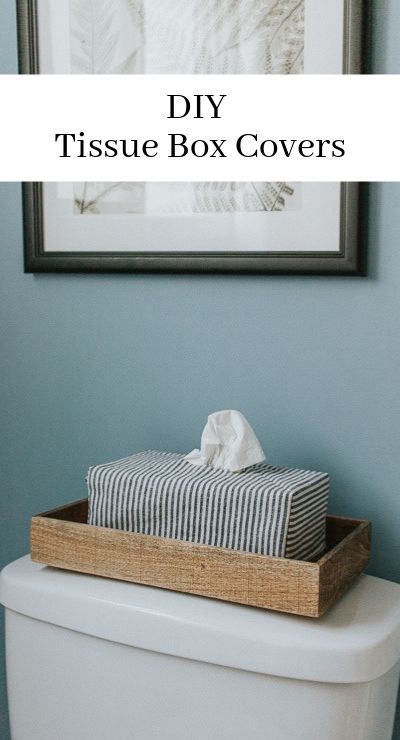
Make these easy DIY tissue box covers. Use any fabric and cover up those ugly tissue boxes!

Hey Guys, happy Summer! I’m back today with another easy home project for you – a simple stylish DIY Fabric Tissue Box Cover.

I don’t know about you, but I think most tissue boxes are tacky. They stick out like a sore thumb in our house! Unfortunately, it’s not the type of thing I can just put away in a closet (believe me, I’ve tried!) Our family has allergies and young kids—needless to say—the tissues must remain out.
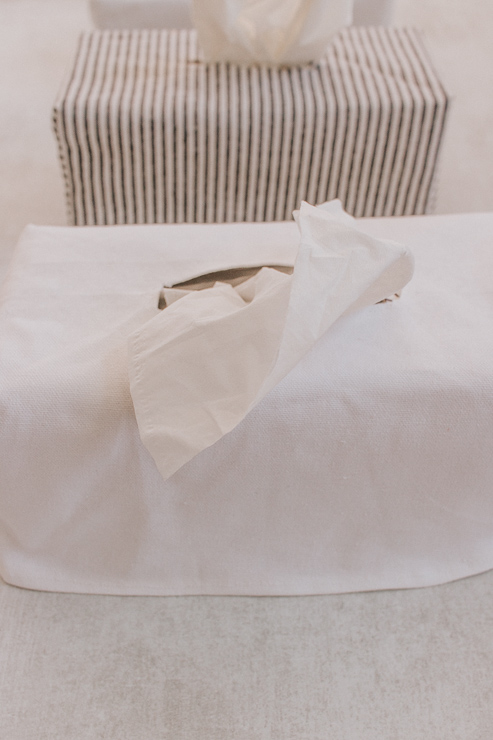
Tissue Box Covers - White and Striped Fabric

Until the tissue manufacturers come out with some better patterns, I’ll be covering mine up! These fabric tissue covers do just the trick. You don’t need too much fabric to make them. They blend in nicely with your decor, and you can wash them if needed!

Of course you could buy tissue box covers. But, these are customizable and you can make them with a $2 piece of fabric (or less.) So, go ahead and save some money by doing this yourself. I’ve seen some tissue box covers selling for almost $40! Yikes.

I wanted to make the process as simple as possible for you. You’ll be happy to know, I did this project over and over and over again until I found the perfect method for making them. Yes – I have over 5 tissue box covers now. Ha!
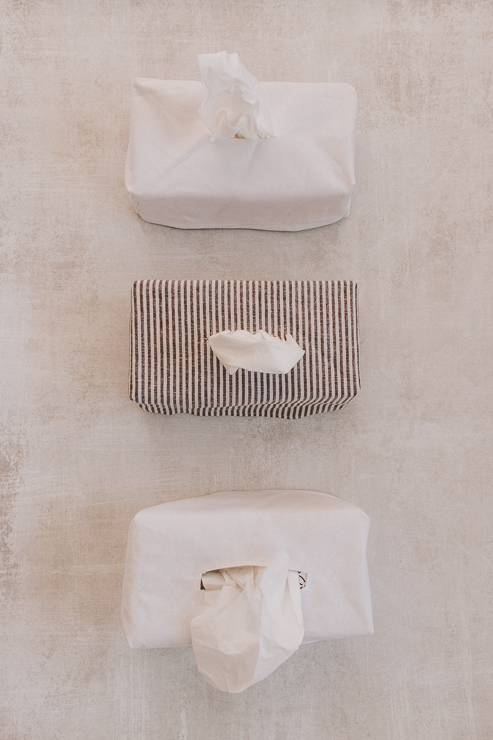
Tissue Box Covers - White Canvas and Striped Fabric

Ok, let’s get started.

Materials:

(I’ve included affiliate links for your convenience. I earn a small percentage from a purchase using these links. There is no additional cost to you. You can read more about affiliate links here.)

Instructions:

Follow these steps to make your stylish tissue box covers.

Step 1: Cut out your Rectangle.

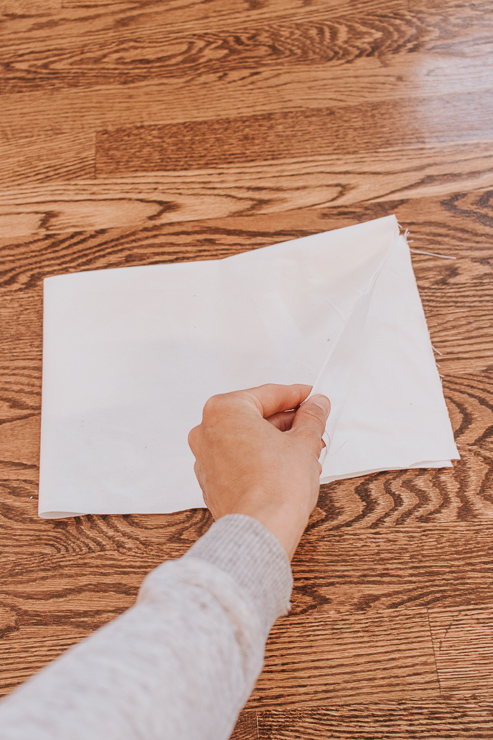
I’m assuming most tissue boxes are generally the same dimensions. But, measure your box to double check. For a standard rectangular tissue box, I started with a rectangle of fabric sized 16 inches by 24 inches.

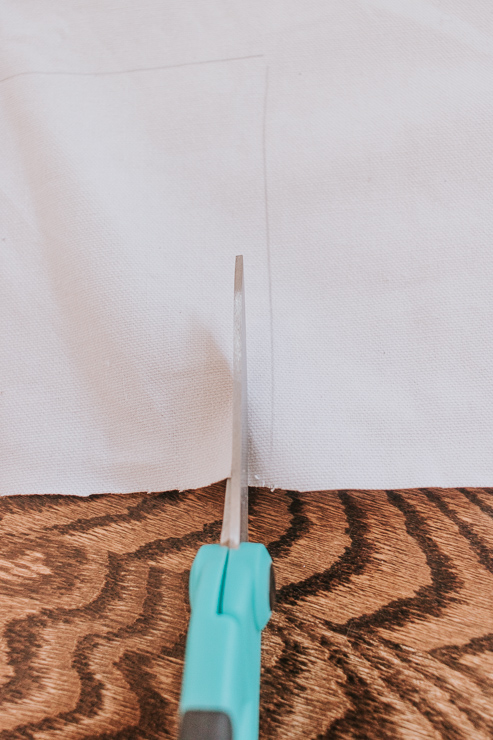
Now cut your fabric to size.

Step 2: Cut a Center Hole.
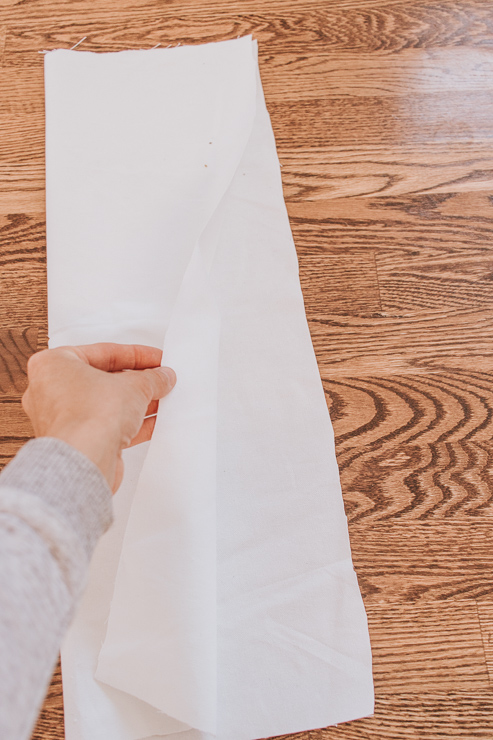
Make a hole where the tissues will be dispensed. Here’s an easy way to do this. Take your rectangle of fabric and fold it in half lengthwise, then fold it in half again. Snip a little piece of the corner section – this will create a small hole perfectly centered in your fabric.
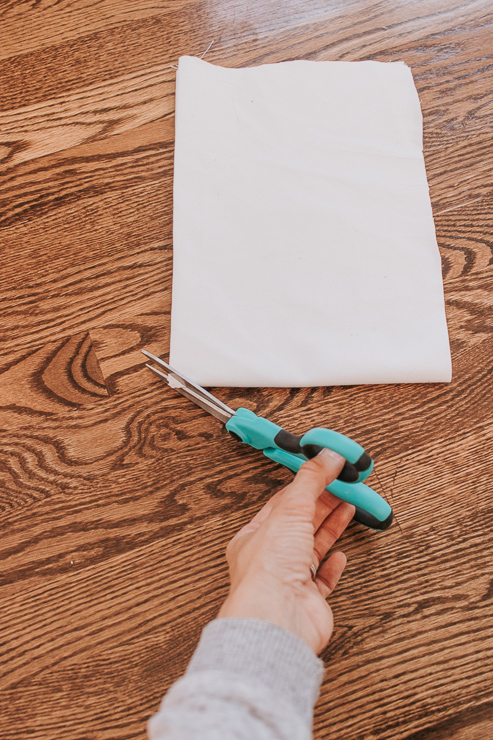
Snip corner to create a hole in the center of your fabric


Step 3: Measure and Mark your Corners.

Measure Squares to Make Mitered Corners


Place your tissue box in the center of your fabric. Hold the tissue box in place with one hand. With your other hand, use your pencil to mark a square at the corner of the tissue box. Repeat for all four corners.

It should look like this …
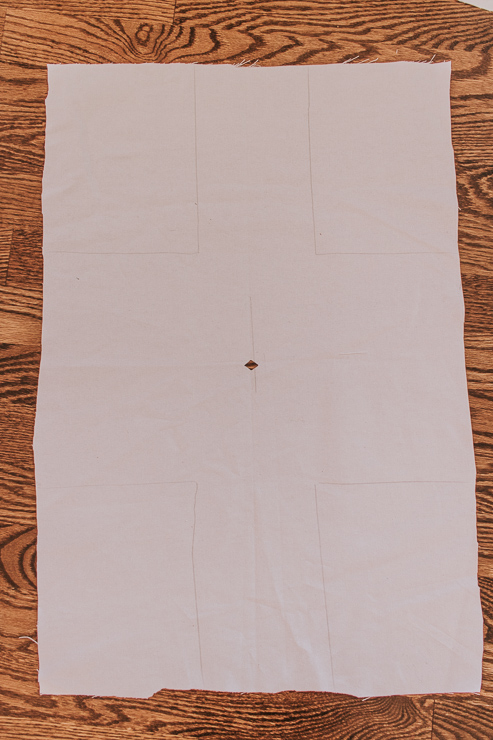
Create a hole in the center of the fabric

Step 4: Cut Out the Corners.

Cut your Squares out of Fabric

To make nice mitered corners, cut out the squares marked above. But, to allow for your seam, subtract about 1/4 – 1/2″ from the marked lines. Essentially, you’re cutting slightly outside where you made the pencil lines as shown below.
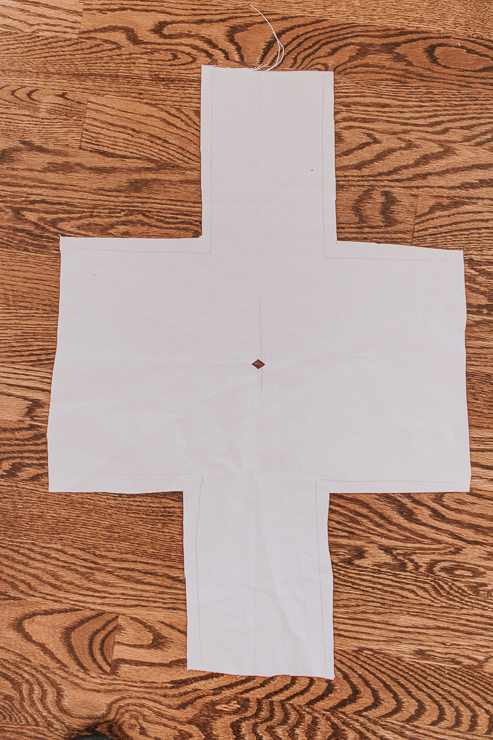
Tissue Box Cover before it's sewn together

Step 5: Sew Your Tissue Box Hole.

Remember the little hole we cut out of the center earlier? Now you can cut it slightly bigger to accommodate your tissues. Cut, a skinny rectangle and fold flaps toward the inside of the fabric tissue cover. Iron them to keep them from folding back. It doesn’t have to be super neat. The tissues will help cover it up!
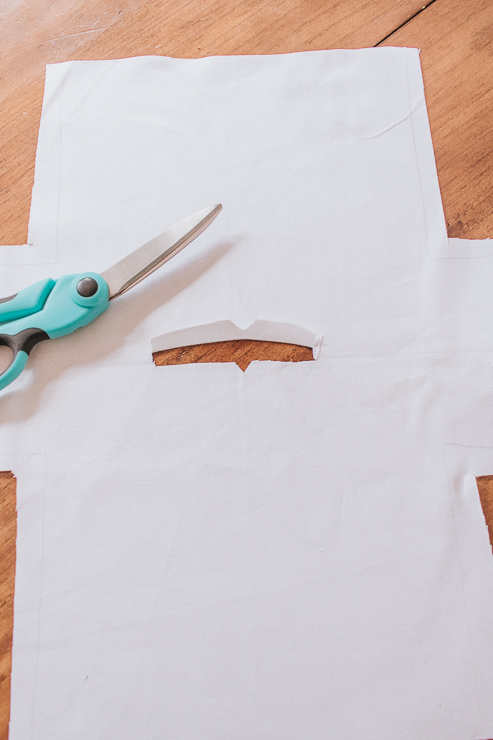
Create a Center Hole for Tissues

Step 6: Sew your Corners.

Take your piece of fabric and fold it so the corner pieces line up as shown below. You want to make sure you sew the pencil mark side on the underside so they don’t show. When you fold the fabric, the pencil marks should be facing out. Stitch along the pencil line.
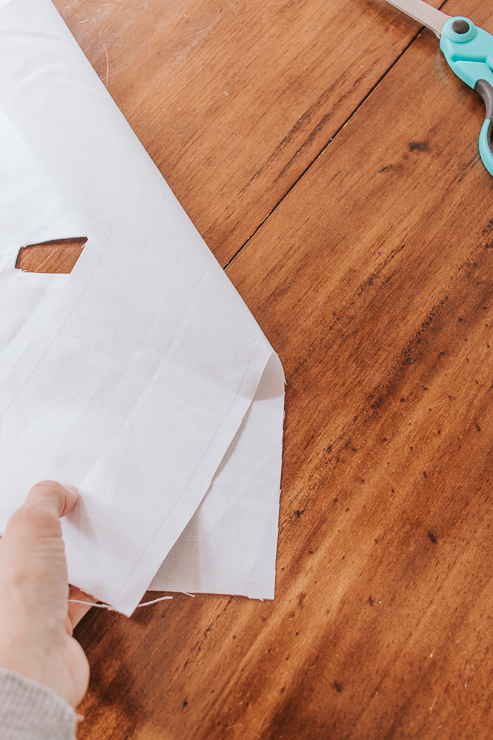
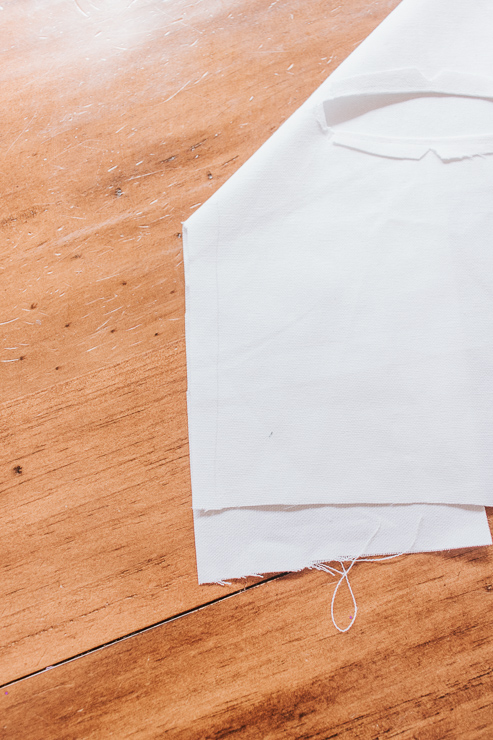
Repeat and sew all four corners the same way.

Step 7: Trim the Bottom.

Woot! Your little tissue box cover is taking shape now. Turn your cover right side out and place it over your tissue box.
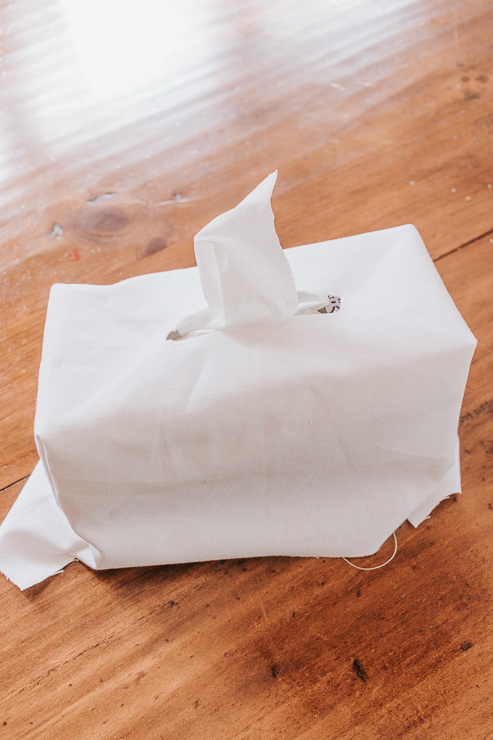
Tissue box cover with excess fabric at bottom

The ends are long, huh? Well, we can easily just cut those down and sew a clean seam all the way around! You may be wondering why I started with a larger piece of fabric only to have excess at the end.
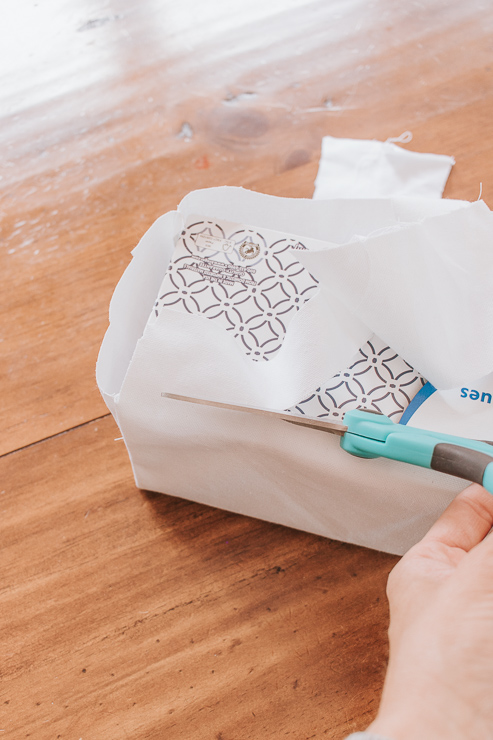
Trim excess fabric from tissue box cover

Trust me – I did this five times over! Having excess fabric ensures all your ends meet nicely and cover the tissue box entirely.

Let’s finish up by cutting away all the excess fabric minus 1/2″ to create a nice seam.
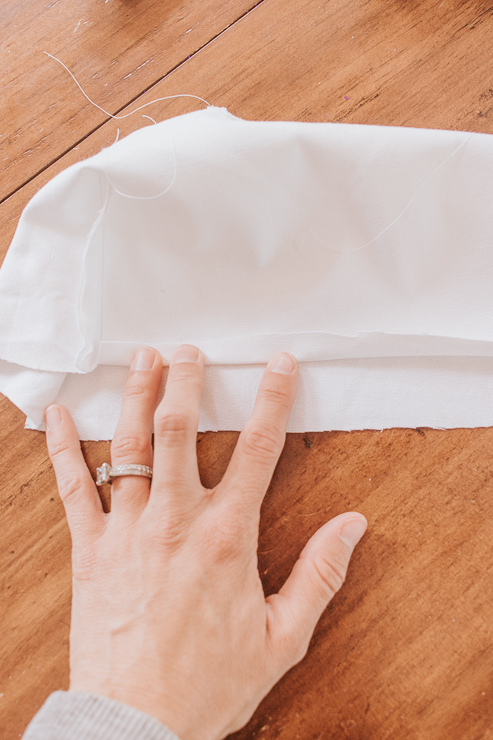
Iron Down a Small Seam on the bottom

Fold over the excess. Iron the seams. Now stitch along the edge of the folded seam.
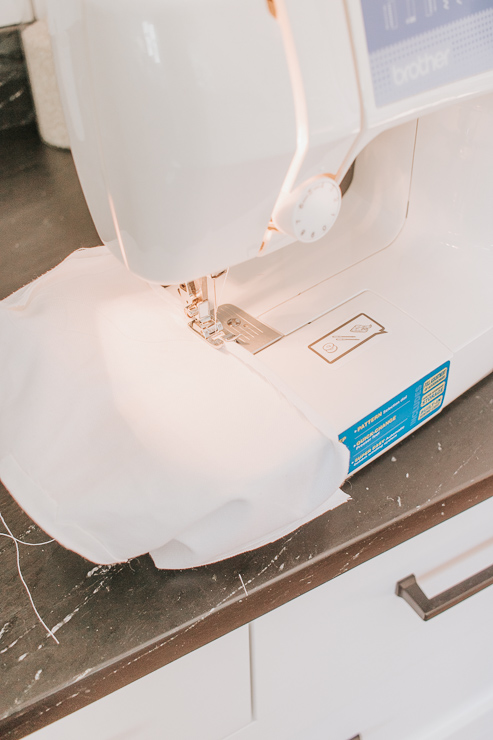
Sewing Tissue Box Cover

Step 8: Flip your Tissue Box cover Right Side Out.
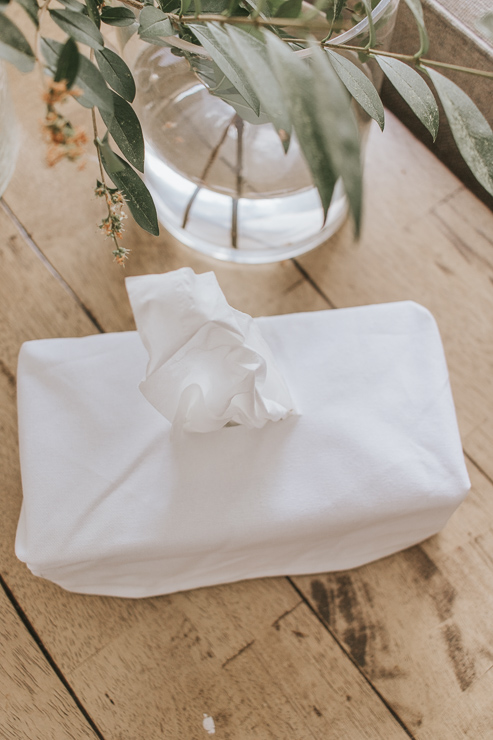
White Tissue Box Cover on Table

You are all done! Flip your tissue box right sides out and place it over your tissue box.

Soooooooo much better. Right?

These fabric tissue box covers look great everywhere and you can customize them with fabric of your choice. Place one in your bathroom, in your bedroom, and in your living room. Anywhere you want!
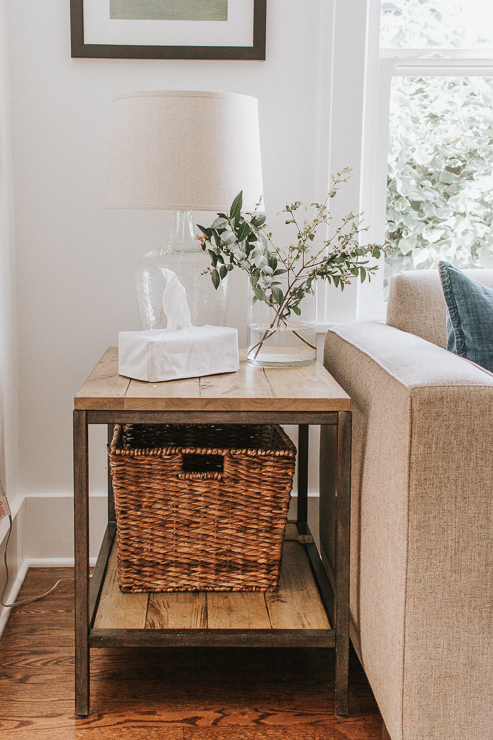
DIY Tissue Box Covers - Easy and Simple Tutorial for covering up those ugly tissue boxes!

No more ugly tissues boxes.  And my husband doesn’t have to ask – “where are the tissues, now?” LOL.
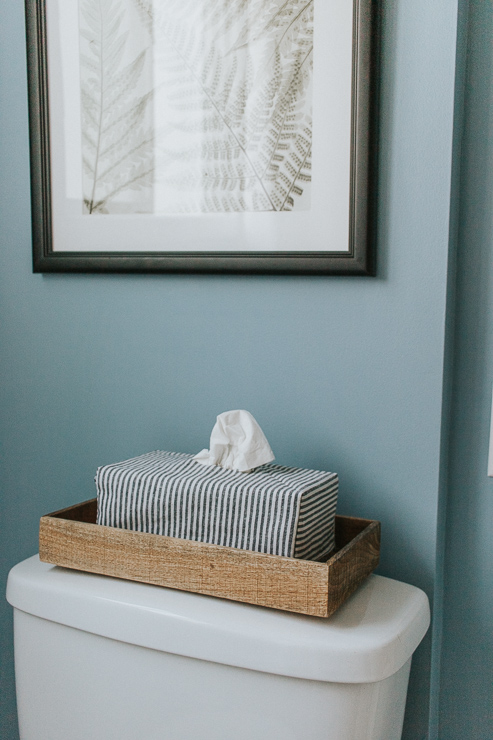
DIY Tissue Box Covers - Easy and Simple Tutorial for covering up those ugly tissue boxes!

Even though I prefer a sturdier canvas or heavy cotton fabric for this project, you can make these tissue box covers with any fabric.  Add some embroidery for a personalized touch!  Or get out some fabric markers and create a Scandi design on plain canvas.  This is a fun project allowing you to get creative with different looks.

I hope you enjoyed this tutorial for a DIY fabric tissue box cover.   For more fun sewing projects for your home, check out these sewing posts from Pretty Handy Girl. Or these 21 Sew Easy Gift Ideas:
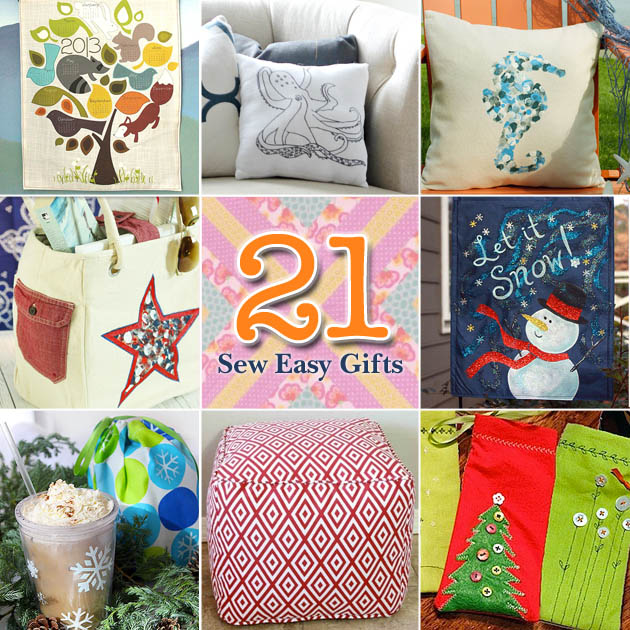
21 Sew Easy Gift Ideas You Can Make Yourself | PrettyHandyGirl

Or learn how to make some of my popular projects from Decor Hint:

I’ll see you right back here next month! Enjoy the start of Summer!

karen signature

~ See More of Karen’s Tutorials ~


karen from decor hintHello!  I’m Karen, the creator of the Home Decor and DIY Blog: Decor Hint . I’m a Native of the East Coast, but I currently live in beautiful Seattle with my hubby, our two wonderful children and our spunky wheaten terrier.

You can usually find me with some sort of craft in one hand and a coffee in the other. And I’m always rearranging furniture or moving lamps from room to room. I have a passion (read: obsession) for decorating, DIY, and gardening. In short, I love making my house into a home.

Like many, I’m inspired by what I see in home decor magazines, but I’m not so inspired by the price tags.  Consequently, I love finding and creating beautiful budget-friendly home decor items. In a head to head competition, I bet you’d never know the difference between the designer items and my DIY creations!  Many of my DIY projects focus on sewing, crafting, upcycling and organizing. Some of my favorite projects have been making pretty wreaths , sewing my own tassel hand towels, and crafting these trendy wood bead garlands . I can’t wait to inspire you and spark your creativity through my DIY projects.

You can always connect with me on Pinterest , Twitter or Instagram.

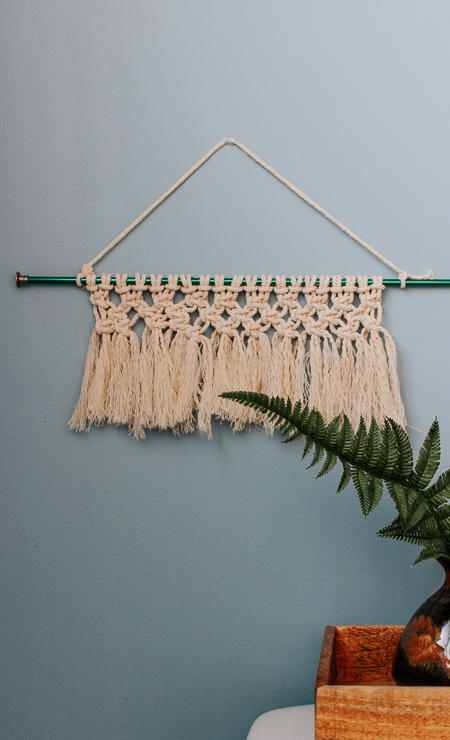
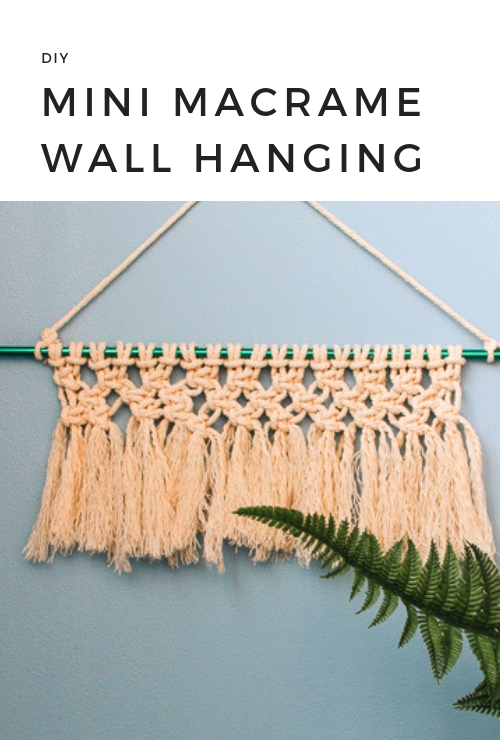
Hang up your Mini Macrame Wall Hanging

Learn how to make a mini macrame wall hanging - you can hang this anywhere and it only takes 20 minutes to make!

How to Make a Mini Macrame Wall Hanging

If there’s one hobby that has become quite the obsession for me – it’s macrame! It’s really fun to create and the projects are inexpensive to complete.  Right now macrame wall hangings are all the rage, and add an eclectic look to your decor.  Today I’m showing you how to make a mini macrame wall hanging.  So chic!

If you’ve been wanting to start macrame—but are intimidated—you’re in luck! This project is small, simple, and can be completed in about 30 minutes!

This mini macrame wall hanging is a subtle nod to bohemian decor and it will look great pretty much anywhere in your home! Hang in your bathroom on in your office. Or, include it with a grouping of gallery wall prints for a more collected feel.

Here’s how to make it …

Materials:

(I’ve included affiliate links for your convenience. I earn a small percentage from a purchase using these links. There is no additional cost to you. You can read more about affiliate links here.)

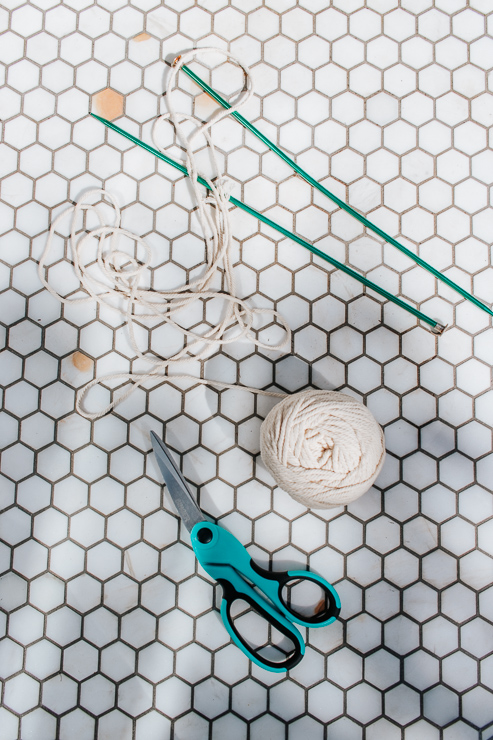
Materials Needed for Mini Macrame Wall Hanging

Instructions:

Step One – Cut your Cords

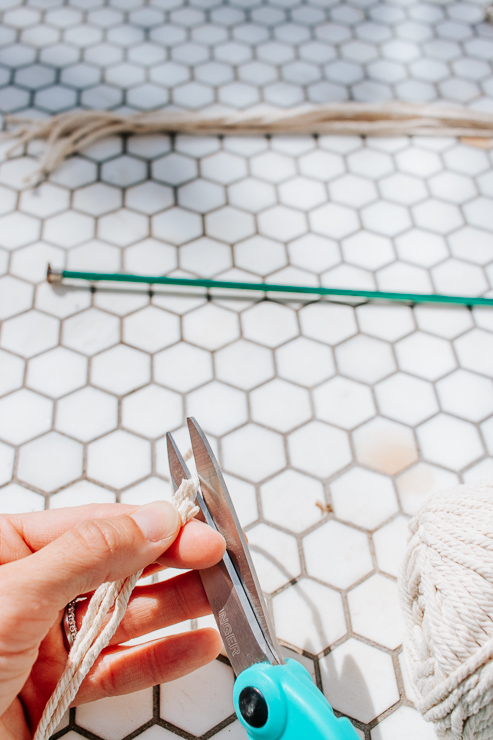
Measure and Cut Macrame Cording to Size

Start by cutting your macrame cording. You will need 20-20 inch cords for this project. (20″ will make a mini wall hanging. After you get the hang of this, you can make your macrame art skinnier or longer. Whatever your heart desires.)

Step Two – Attach with Lark’s Head Knots


Once you have your cords cut, you want to attach the cords by creating 20 lark’s head knots. Here’s a quick video to show you how to make a lark’s head knot:

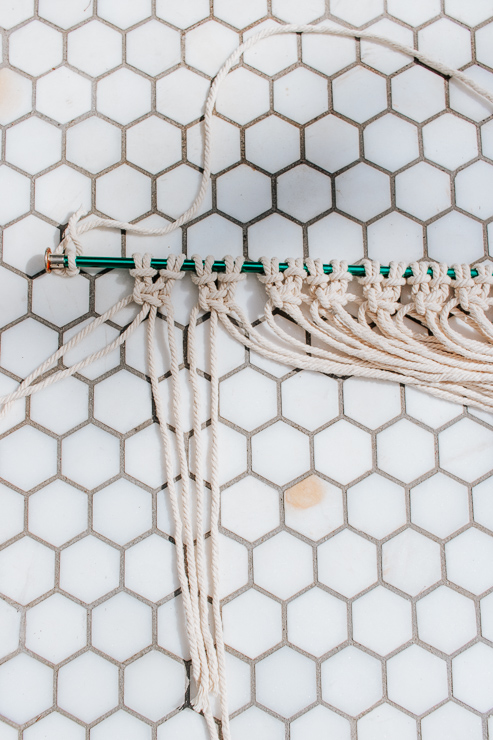
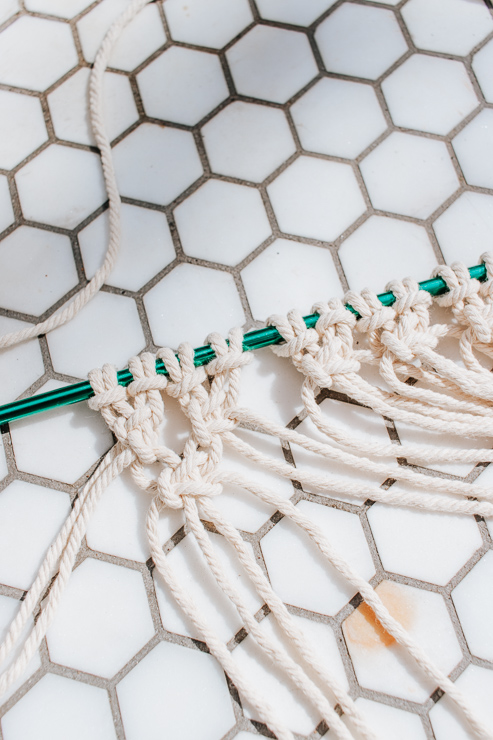
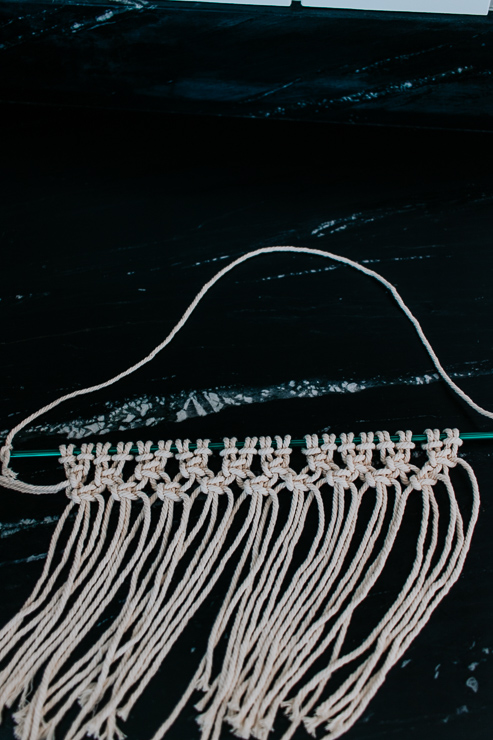
Take your cord and fold it in half. Take the loop part and fish it under your rod. Loop the ends of the cords through the cord – and pull tight! Now repeat this 19 more times with the rest of your cords.

Step Three – Make a Row of Square knots

Now that your cords are all attached, we are going to make Square Knots and Alternating Square Knots. Here’s how to make a square knot:

To make a square knot – take the first four adjacent cords and do the following:

  1. We are going to take the outer left cord and cross it over the two middle cords. Now take the outer right cord and place it on top of the left cord and UNDER the two middle cords.
  2. Loop it through the hole on the left side.
  3. Now pull to tighten the knot.
  4. Now take the outer RIGHT cord and cross it over the two middle cords.
  5. Take the outer left cord and place it on top of the left cord and UNDER the two middle cords.
  6. Loop it through the hole on the right side.
  7. Now pull your cords tight.

You have completed the full square knot.

You want to keep working the next four adjacent cords to make a row all the way across of square knots.

Step Four – Make a Row of Alternating Square Knots.

Our next row is going to be alternating square knots.

To make these knots – follow the same steps as above, however skip the first two adjacent cords – start with the third cord and work the adjacent 3 cords.  Continue all the way across the row!

Step Five – Make a Row of Square Knots Again

To complete our mini macrame wall hanging, our last row will be a row of square knots – so follow Step 3 again.

You should have something that looks like the photo below.

Trim the bottom of the wall hanging to even it up

Step 6 – Cut and Fray the Ends of your Wall Hanging

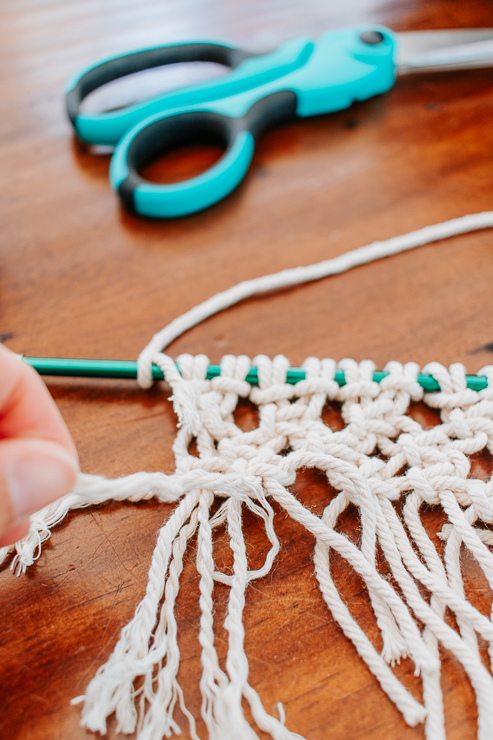
Take your scissors and cut straight across to create an even line of fringe. Take each cord and unravel it with your fingers.

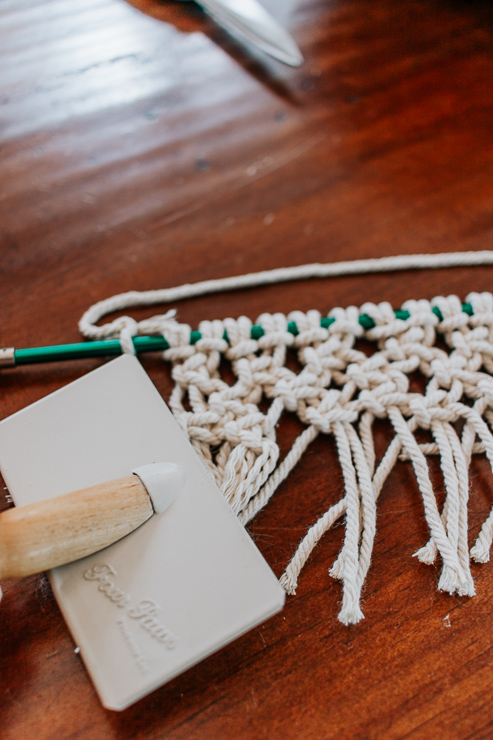
Now, take a wire brush and carefully brush through the unraveled cords to fray them.

All done!

Hang up your Mini Macrame Wall Hanging

Now all you have to do is hang it up and enjoy your beautiful work.  Can you imagine how pretty these would be if you made a trio of mini macrame wall hangings for a cohesive collage.  I really love that idea.

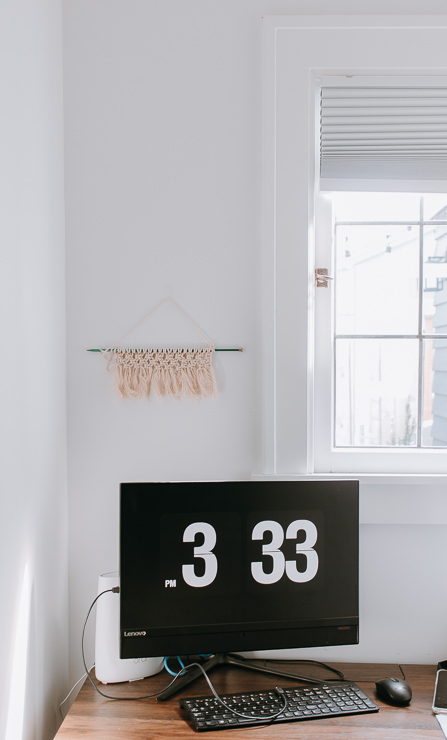
I hung my mini macrame over the computer for some style and texture in this little corner.

Mini Macrame Wall Hanging in an Office

If you want some additional help and projects – go to my blog and check out my Step by Step Basic Macrame Knots Guide.  And check out the cool macrame planter hanger here on Pretty Handy Girl for another cool project!

DIY Macrame Plant Hanger

Once you learn how to make the most basic knots – you can create all kinds of cool projects for your home. Such as Macrame Pillows, Mason Jar Covers, Jar Candle Hangers, Macrame Feathers – I could go on and on!

Feel free to leave me any questions or comments below – I hope this inspired you try Macrame if you haven’t yet.

I’ll see you right here next month with another awesome project for you.

karen signature

~ See More of Karen’s Tutorials ~


karen from decor hintHello!  I’m Karen, the creator of the Home Decor and DIY Blog: Decor Hint . I’m a Native of the East Coast, but I currently live in beautiful Seattle with my hubby, our two wonderful children and our spunky wheaten terrier.

You can usually find me with some sort of craft in one hand and a coffee in the other. And I’m always rearranging furniture or moving lamps from room to room. I have a passion (read: obsession) for decorating, DIY, and gardening. In short, I love making my house into a home.

Like many, I’m inspired by what I see in home decor magazines, but I’m not so inspired by the price tags.  Consequently, I love finding and creating beautiful budget-friendly home decor items. In a head to head competition, I bet you’d never know the difference between the designer items and my DIY creations!  Many of my DIY projects focus on sewing, crafting, upcycling and organizing. Some of my favorite projects have been making pretty wreaths , sewing my own tassel hand towels, and crafting these trendy wood bead garlands . I can’t wait to inspire you and spark your creativity through my DIY projects.

You can always connect with me on Pinterest , Twitter or Instagram.
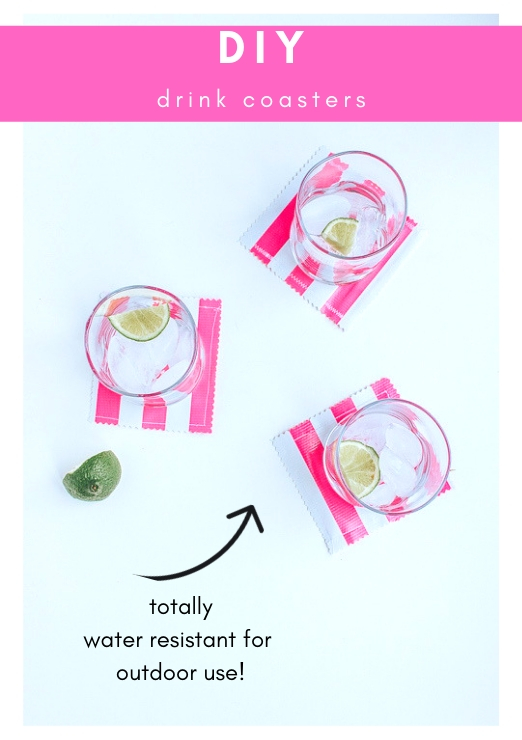
Tutorial for making these DIY oilcloth, water resistant drink coasters for Summer!

DIY Drink Coasters - Water Resistant fabric and perfect for Outdoor Use and Summer Parties!

DIY Oilcloth Drink Coasters

Hi there!  I’m so thrilled to be back today with this super quick and easy project.  The weather in Seattle has been totally amazing lately and it’s got me thinking about summer.  And, summer entertaining is on the brain! This project will look great on your patios and outdoor spaces. Bonus, it’s totally water resistant too. Let’s take a mini-break and learn how to make these adorable DIY oilcloth drink coasters for gifting or entertaining.

What in the world is Oilcloth?

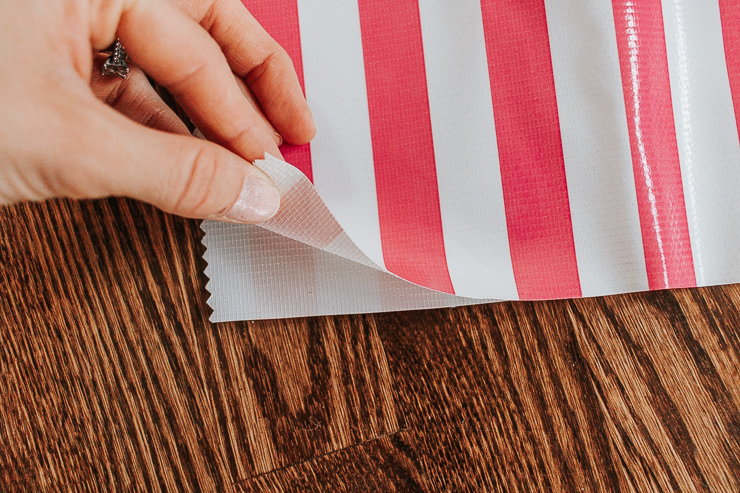
Oilcloth is a type of fabric.  It has vinyl on one side and kind of a soft mesh of cotton on the other side.  Vinyl has a slippery and plastic-like feel to it. The best part about vinyl is you can wipe it clean and it’s water resistant! This makes oilcloth a perfect fabric choice for outdoor items like tablecloths, COASTERS, beach bags etc.

The other great thing about oilcloth is that it just happens to be made in a multitude of funky patterns and bright colors.  This fabric was made for Summer!  When you get a minute – run a google search for ‘oilcloth fabric’ and you’ll see what I mean.  Such pretty patterns!

So this is the perfect little accessory for all those Summer fiestas and BBQ’ s you have in the works.  Or even for gifting away as little favors.  Tie a cute burlap string around them and presto! You have a lovely handmade housewarming gift.

Perhaps you own a pool or live near the beach?  Or know someone who does?  These coasters make a fantastic DIY gift idea for them.

Here’s the best part: these stylish oilcloth coasters took me 10 minutes to make – start to finish.

Materials:

(I’ve included affiliate links for your convenience. I earn a small percentage from a purchase using these links. There is no additional cost to you. You can read more about affiliate links here.)

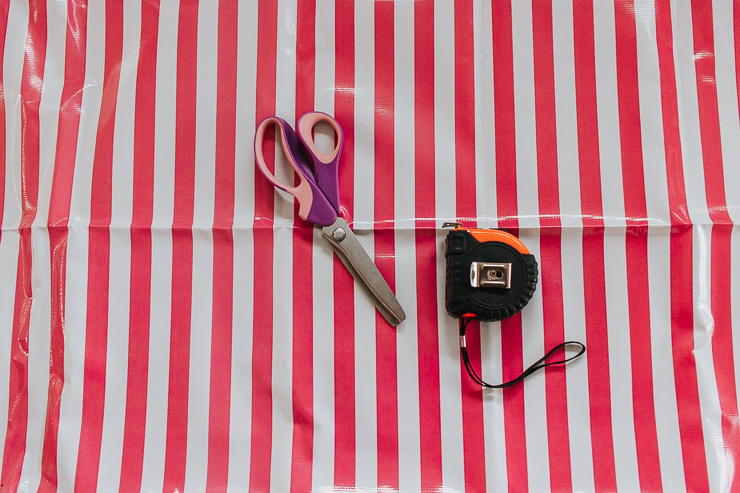
Gather materials needed to make oilcloth drink coasters

  • Oilcloth Fabric – I chose these hot pink stripes from Fabric.com
  • Sewing Machine
  • Pinking Shears – these are simply scissors with a serrated edge.  They are used to cut a zig zag pattern in fabric to prevent fraying.
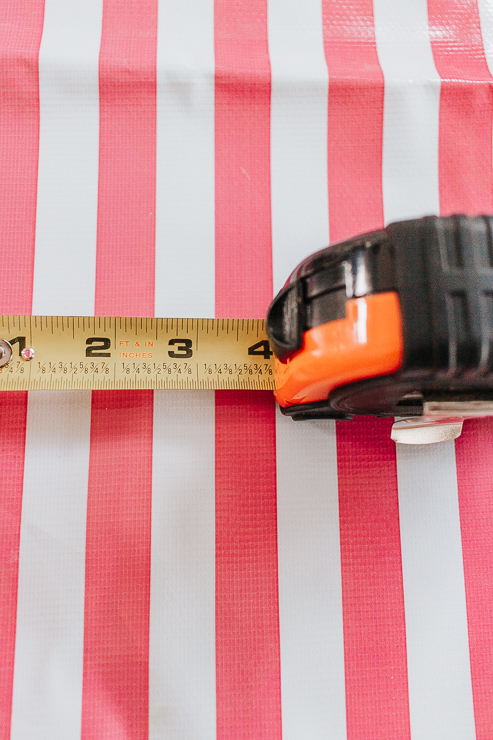
  • Tape Measure (for measuring your coasters to a perfect square)

Instructions:

Start by folding your oilcloth in half.  We need two exact squares to make one coaster (both front and back will be the vinyl, water-resistant side).

Fold your oilcloth fabric in half

Step 1:  Measure out a perfect square on your oilcloth fabric.

measure out your coasters using a tape measure or ruler

I measured approximately a 4 inch square coaster.  (It’s totally up to you on sizing. Most drink coasters are between 3-5 inches square.  For fun you can also cut circles instead of squares. Use a bowl or circle template to make a perfect circle.)

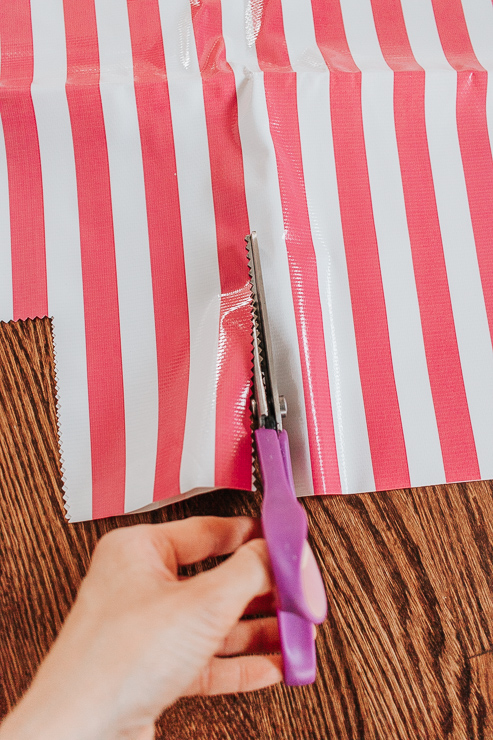
Step 2 :  Use your pinking shears to cut out your measured square.

Cut out the two squares of oilcloth fabric that you previously measured

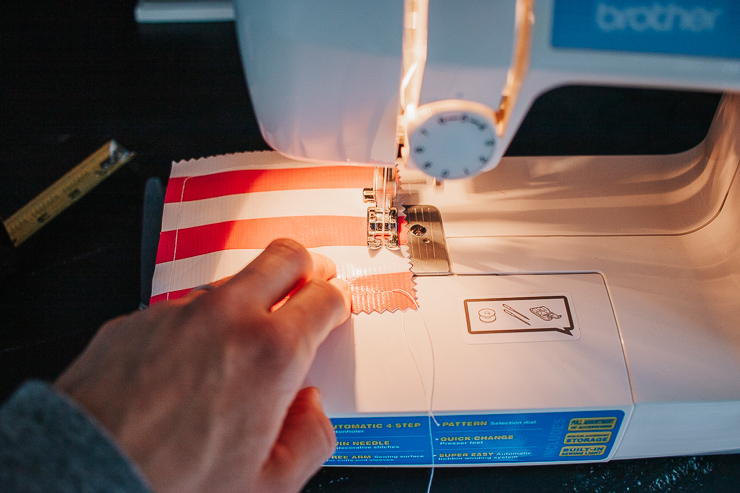
Since your fabric is folded in half – you can pretty much cut two squares at once.  You can also use regular scissors here and even them with pinking shears after sewing.

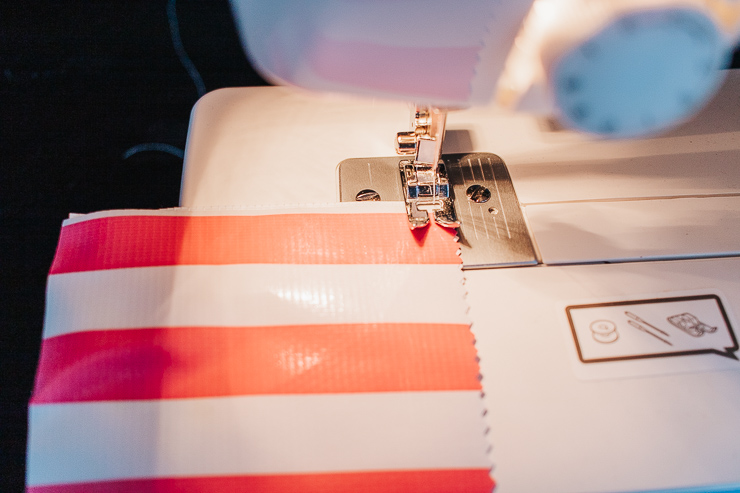
Step 3:  Line up your two squares and sew them together vinyl sides out.

sew both layers or oilcloth fabric together

Use use small binder clips (another little sewing trick I use a TON) to hold your two pieces of fabric together while sewing.  I wouldn’t suggest using pins because the holes will be visible even after removing them.

A straight stitch is fine, but feel free to try something fun like a zig zag stitch.

Tips for sewing and working with oilcloth fabric :

Gently feed oilcloth through your machine so it doesn't stick to the presser foot

  • Because oilcloth is vinyl and kind of plastic feeling, it will stick under your presser foot.  To combat this,  use two hands to feed the coaster through.
  • An alternative is to purchase a Teflon presser foot – they are fairly inexpensive and won’t stick to the vinyl fabric as easily.
  • DO NOT IRON OILCLOTH.  It will melt and the mess won’t be pretty.  If your oil cloth is wrinkled, lay it out and throw some heavy books on top for a few days. This usually presses the wrinkles out.  Oilcloth also “releases” more wrinkles when warmed up a bit.  Therefore you can try laying it by a sunny window.  Don’t microwave your oilcoth. 🙂

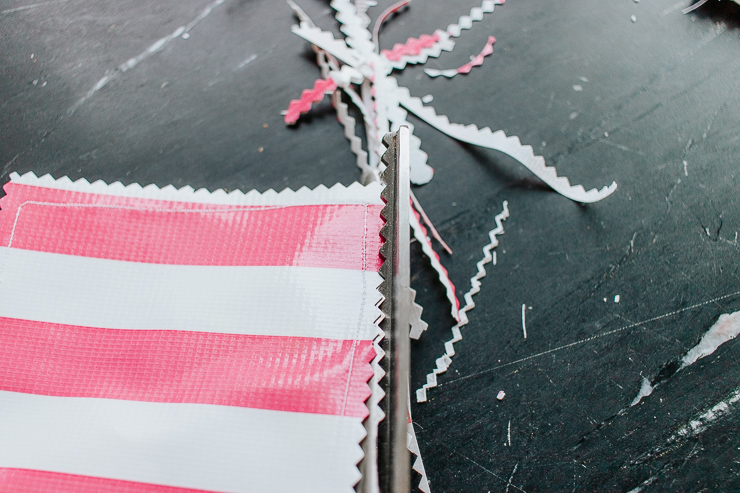
Step 4:  Use your pinking shears to clean up the edges of your coasters

Even up the edges of your newly sewn coasters with your pinking shears

Simply snip along the edge without cutting through the seam to straighten and clean up the ends.

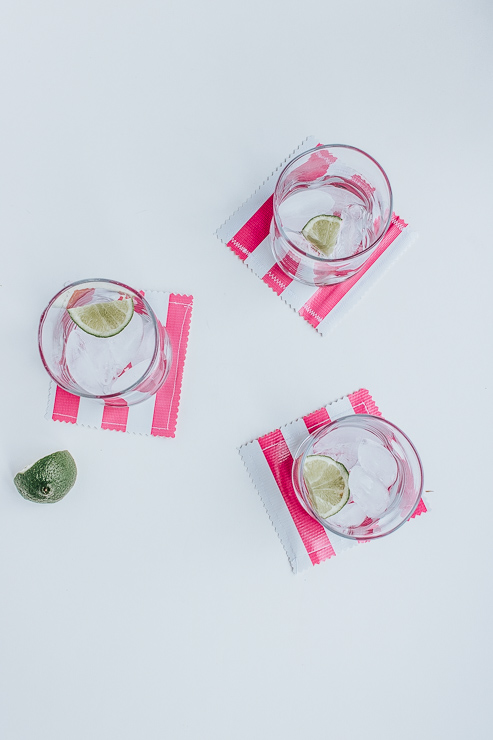
Guess what?  All done!  See how fast it was making these DIY oilcloth drink coasters?

These coasters look so cute and are perfect for Summer! Pin this image to share with a friend:

Tutorial for making these DIY oilcloth, water resistant drink coasters for Summer!

I don’t know about you, but I may need to mix up a batch of margaritas tonight.  I hope you guys enjoyed this tutorial!

Tutorial for making these DIY oilcloth, water resistant drink coasters for Summer!

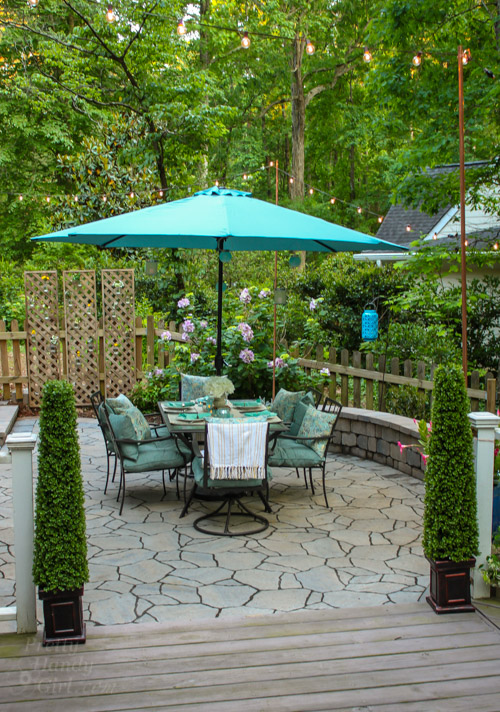
If you enjoyed this tutorial, you might want to check out my tutorial on DIY frayed napkins.  They also make a nice gift and pretty setting for your tables.  And for even more inspiration – be sure to check out Brittany’s amazing backyard and patio reveal, what a beautiful space!

Outdoor Garden Patio Party Decorating Ideas | Pretty Handy Girl

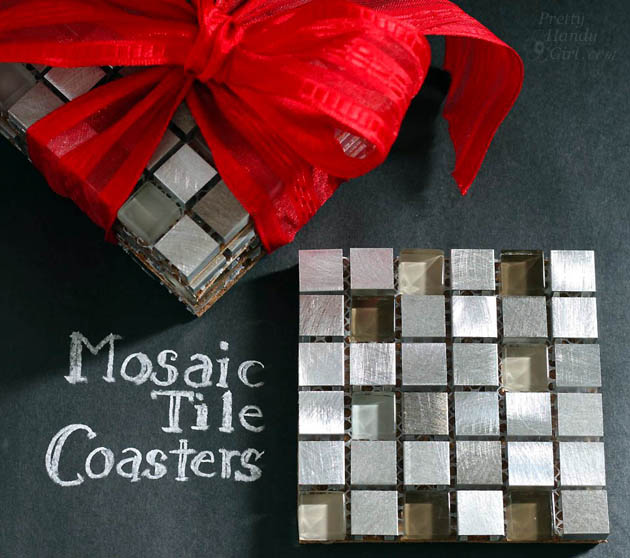
You may also like this tutorial for making mosaic tile coasters

Mosaic Tile Coasters | Pretty Handy Girl

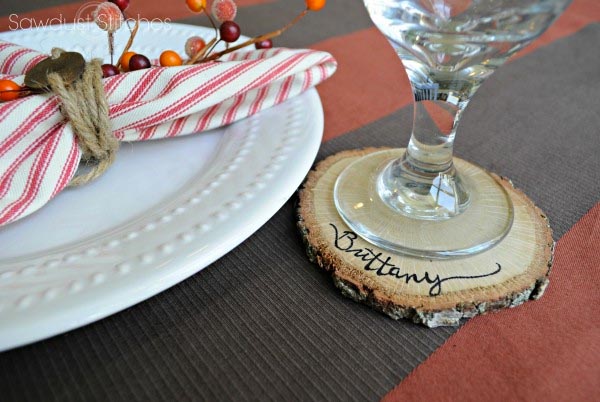
…or DIY personalized wood slice coasters.

I’ll be back here next month and I’m looking forward to connecting with you all again soon.

karen signature

~ See More of Karen’s Tutorials ~


karen from decor hintHello!  I’m Karen, the creator of the Home Decor and DIY Blog: Decor Hint . I’m a Native of the East Coast, but I currently live in beautiful Seattle with my hubby, our two wonderful children and our spunky wheaten terrier.

You can usually find me with some sort of craft in one hand and a coffee in the other. And I’m always rearranging furniture or moving lamps from room to room. I have a passion (read: obsession) for decorating, DIY, and gardening. In short, I love making my house into a home.

Like many, I’m inspired by what I see in home decor magazines, but I’m not so inspired by the price tags.  Consequently, I love finding and creating beautiful budget-friendly home decor items. In a head to head competition, I bet you’d never know the difference between the designer items and my DIY creations!  Many of my DIY projects focus on sewing, crafting, upcycling and organizing. Some of my favorite projects have been making pretty wreaths , sewing my own tassel hand towels, and crafting these trendy wood bead garlands . I can’t wait to inspire you and spark your creativity through my DIY projects.

You can always connect with me on Pinterest , Twitter or Instagram.
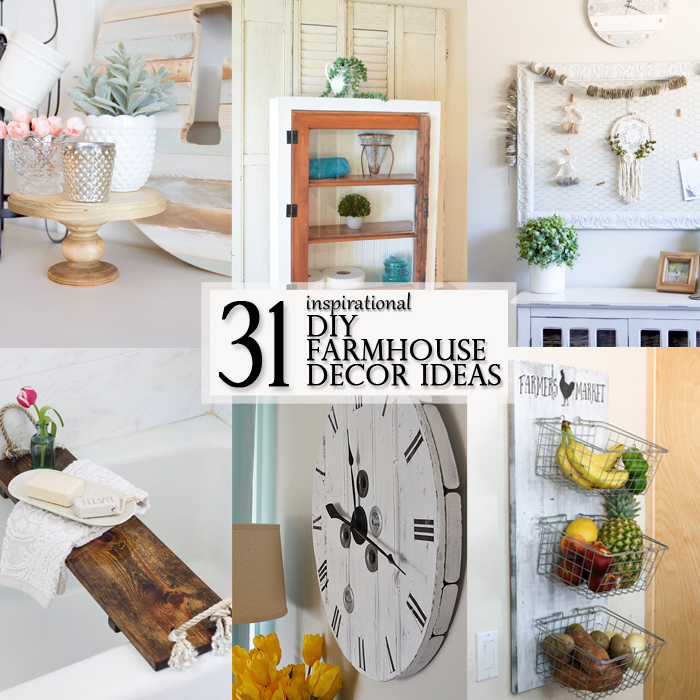
DIY inspirational Farmhouse Decor Ideas - Featured Image square

DIY inspirational Farmhouse Decor Ideas - Featured Image squareInspirational DIY Farmhouse Decor

Many of us are still in love with the farmhouse style of decorating. It’s warm, relaxing and full of character. Farmhouse style is a mixture of old and new pieces, bringing in a rustic and vintage feel, but not excluding shiny and new. Here are 31 Inspirational DIY Farmhouse Decor Ideas that you can make for your home. You will love these beautiful and affordable ideas!

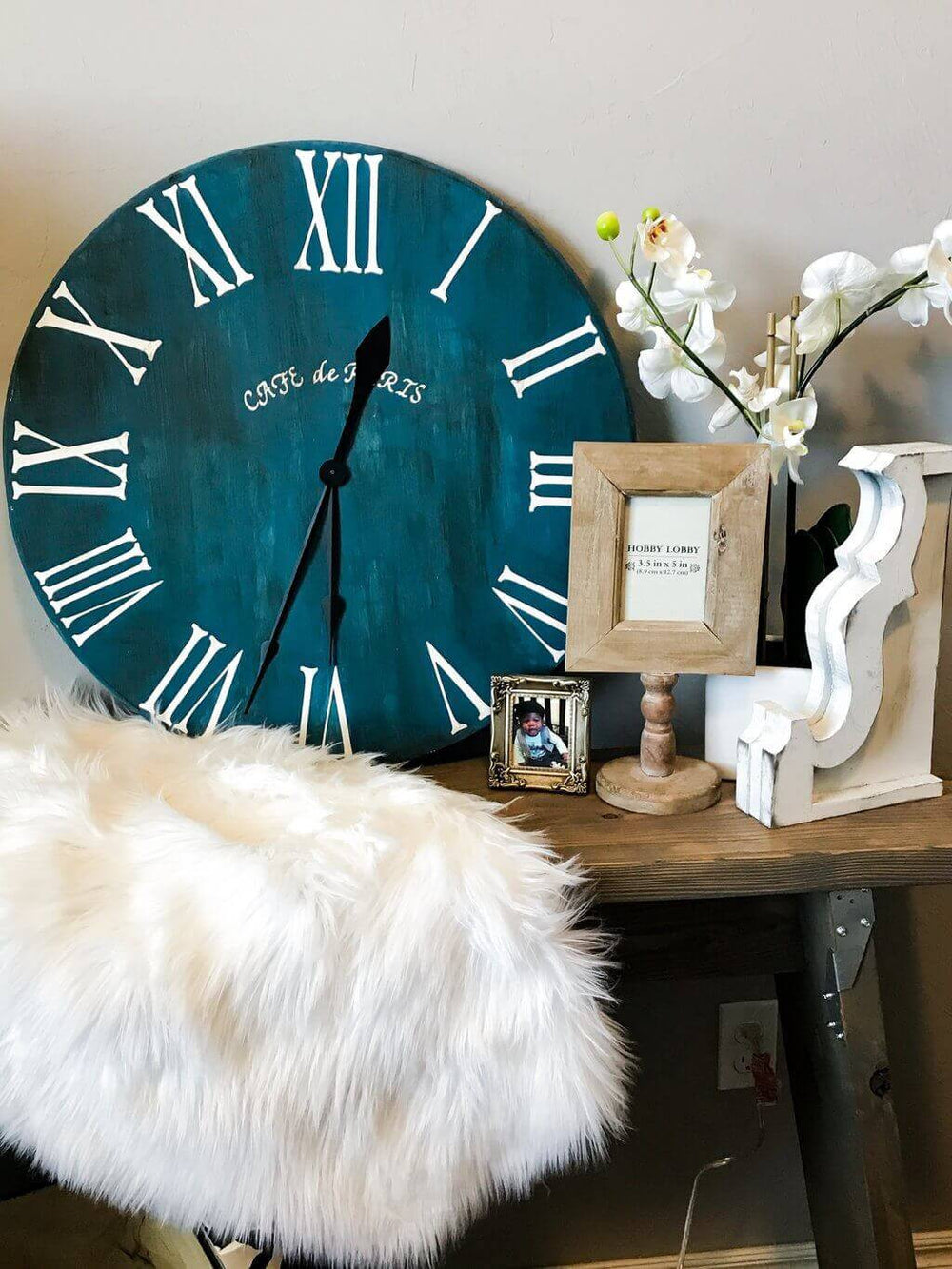
rustic roman numeral DIY ClockMake this DIY Rustic Roman Numeral Clock using a wooden round and clock stencil.


how to build a modern farmhouse bench Build a Modern Farmhouse bench to go with your table or on your front porch.
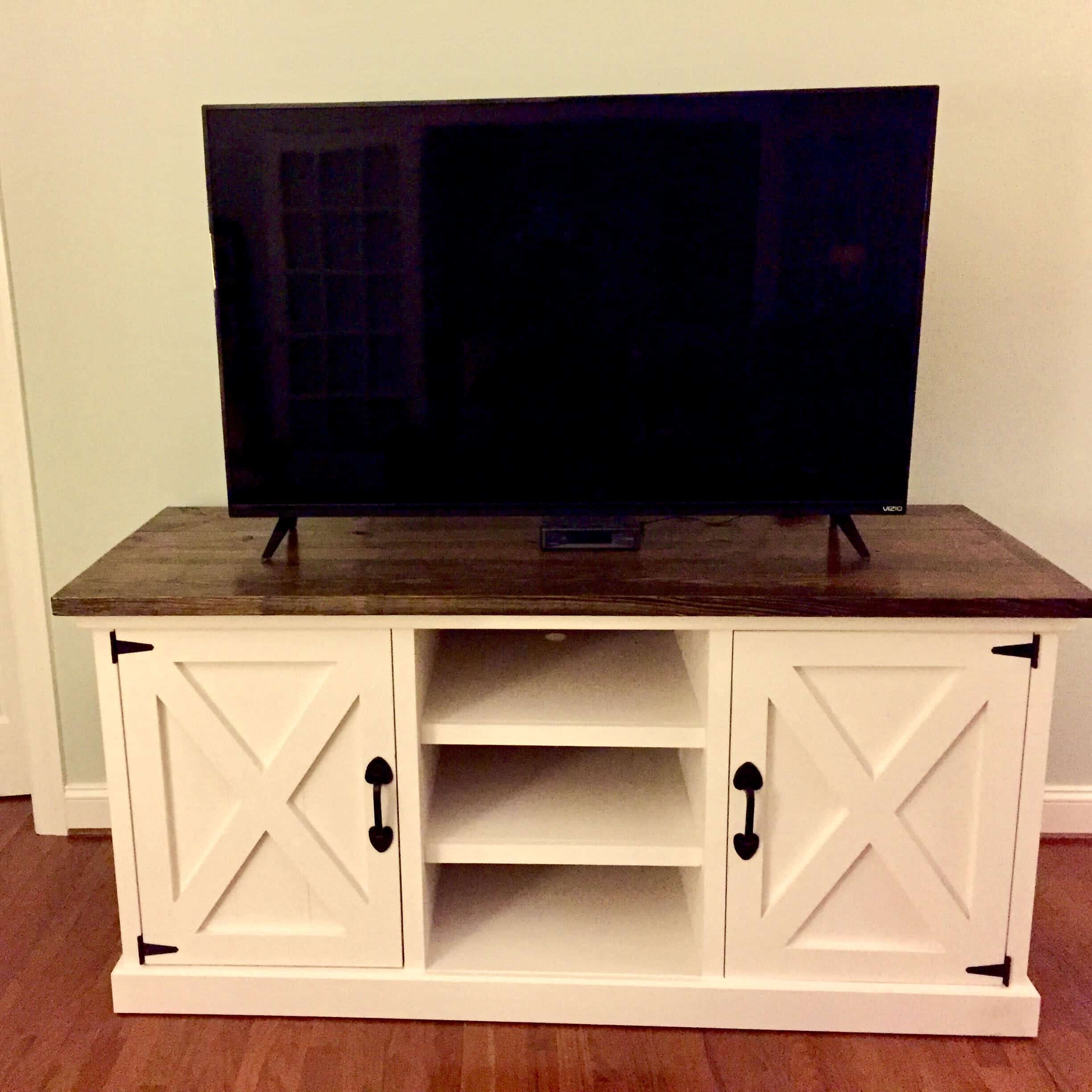
 

leanord media console by lazy guy diyNeed a space for your TV? Build this Leonard Media Console for extra storage.


diy rustic caddy with branch handleCreate this Rustic Caddy with a Branch Handle to hold a pretty flower display.


farmhouse family birthday sign by where the smiles have beenCreate this Farmhouse Family Birthday Sign and never forget a birthday again.


diy side tableBuild a DIY Side Table using gray stain to give it a weathered farmhouse look.


farmhouse style plant holder by jenna kate at homeAdd some beautiful greenery to any room with this Farmhouse Style Vertical Plant Holder.


easy diy farm animal cutting board by spain hill farmCreate these cute animal shaped cutting boards to decorate your farmhouse kitchen.


diy produce rackCute and functional, this DIY Produce Rack is perfect for a farmhouse kitchen.


Farmhouse Cake Stand by Making it in the MountainsMake a gorgeous cake stand to display in your farmhouse dining room.


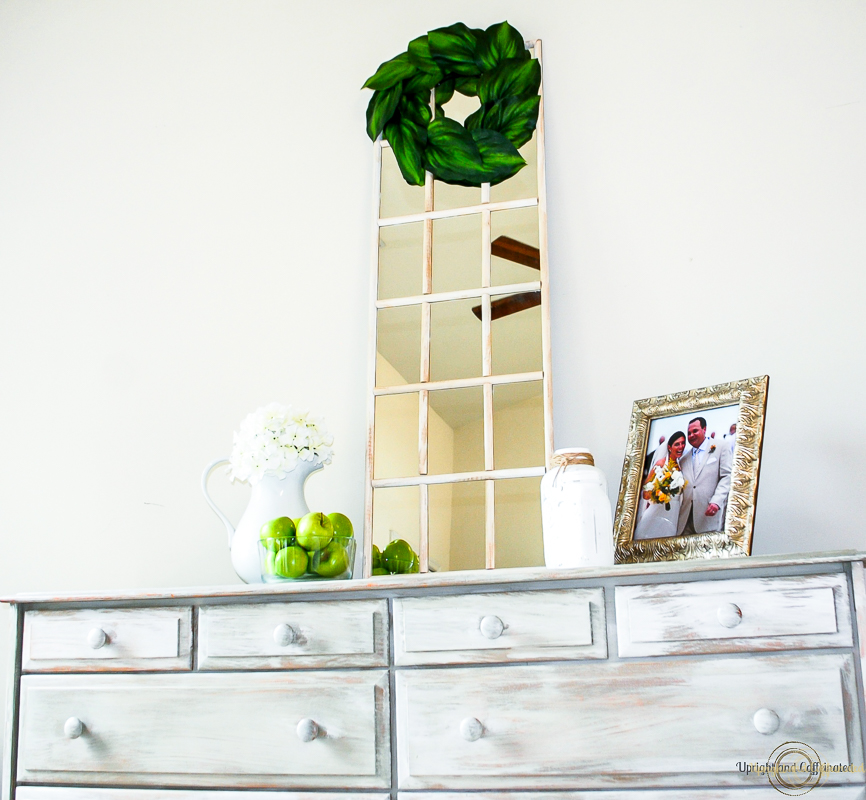
IKEA Hack farmhouse window mirrorTurn a plain IKEA mirror into this beautiful Farmhouse Window Mirror.


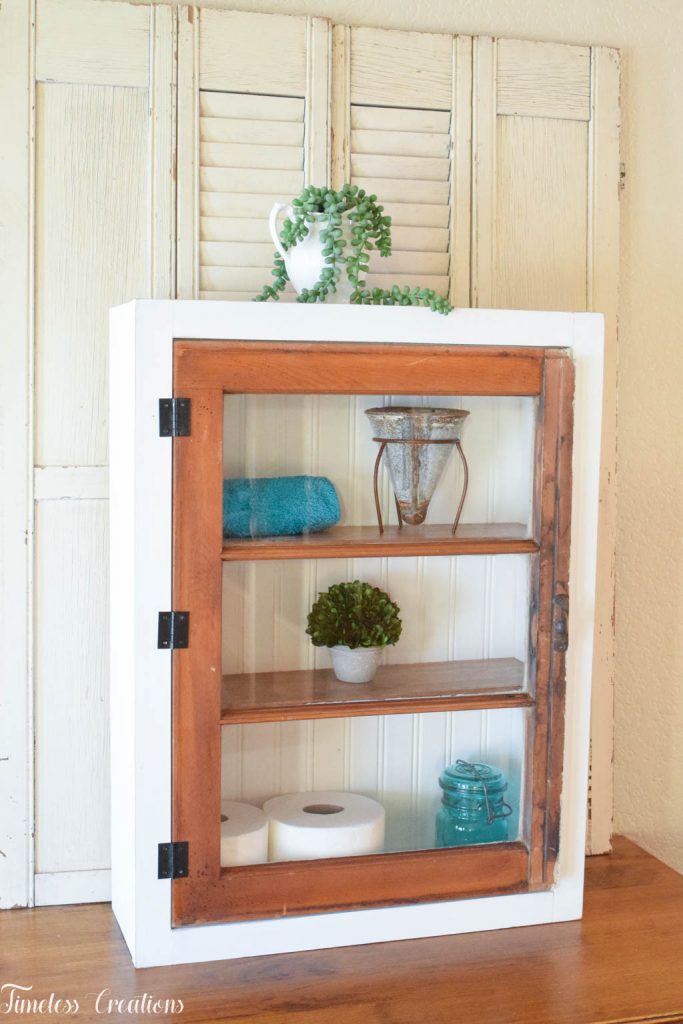
diy window wall cabinet by timeless creationsBuild this DIY Window Wall Cabinet using an old farmhouse window frame.


king size headboard Create a Rustic Wood Headboard for your farmhouse styled bedroom.


farmhouse kitchen sign by michelle j designsAdd a DIY Farmhouse style Farmers Market Wooden Sign to your kitchen wall.


diy flowerbox centerpiece by hazel and gold designsAdd a Farmhouse Style DIY Flowerbox Centerpiece
 to your dining table and add flowers for greenery.


rustic bathtub trayBring the farmhouse look into your bathroom with this DIY Rustic Bathtub Tray.


DIY wood shutter shelf by Salvage Sister and MisterRepurpose an old shutter into this amazing DIY Wood Shutter Shelf that just screams farmhouse.


modern farmhouse picture frameTurn an old picture frame into this Modern Farmhouse Picture Frame design.


DIY Rustic media center by pinspired to diyBuild this DIY Rustic Media Center to decorate beneath your wall mounted TV.


farmhouse clock by vanderveen houseLearn how to make this DIY Rustic Clock from an electrical cable spool.


farmhouse style corbel shelf by hazel and gold designsMake a Farmhouse Style Corbel Shelf as a beautiful and functional addition to your wall.


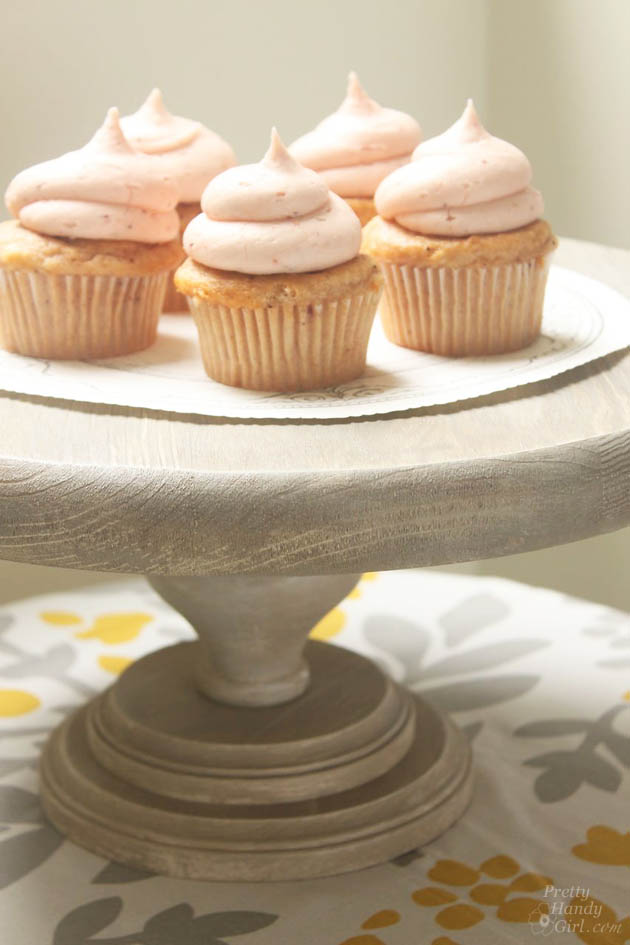
Rustic Wood Cake Stand | Pretty Handy GirlDecorate your kitchen or dining with this beautiful Rustic Gray Cake Stand.


wire memo board by making it in the mountainsCreate this beautiful DIY Chicken Wire Memo Board for decorating or organizing!
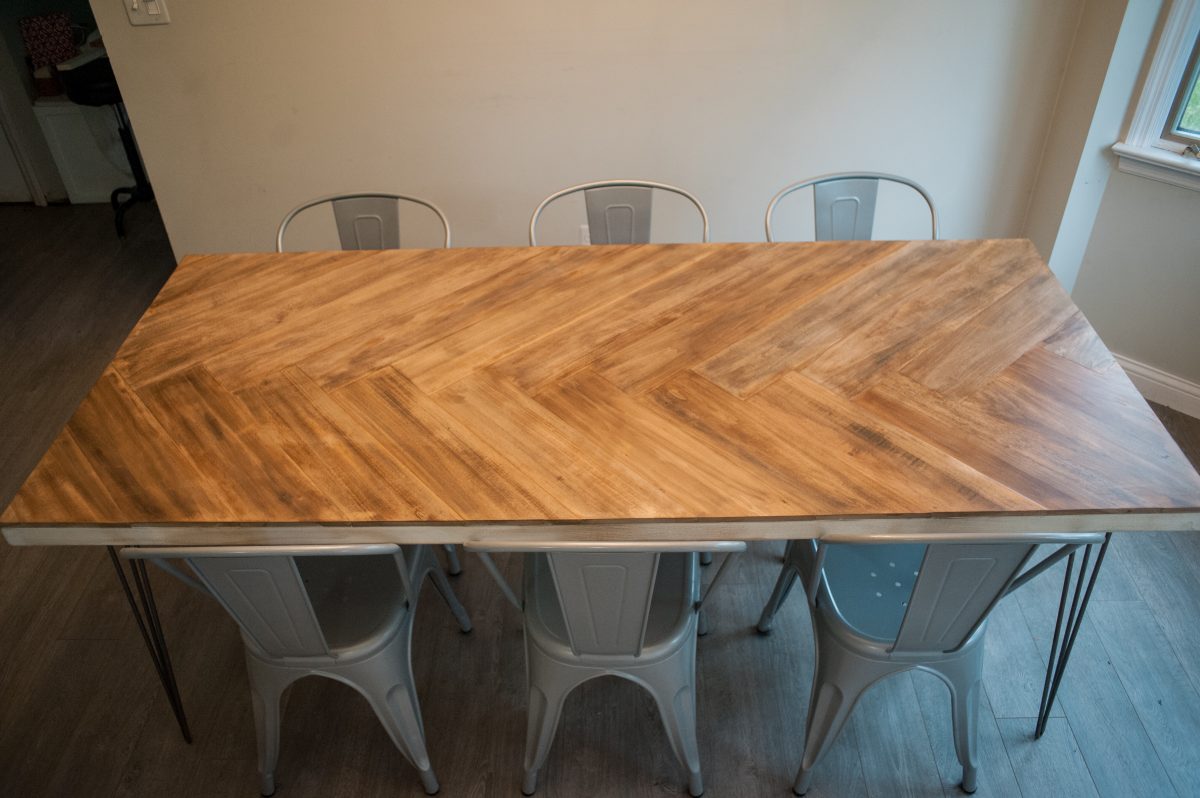
 

diy herringbone table by our bright roadA gorgeous DIY Herringbone Table is perfect for your farmhouse dining.


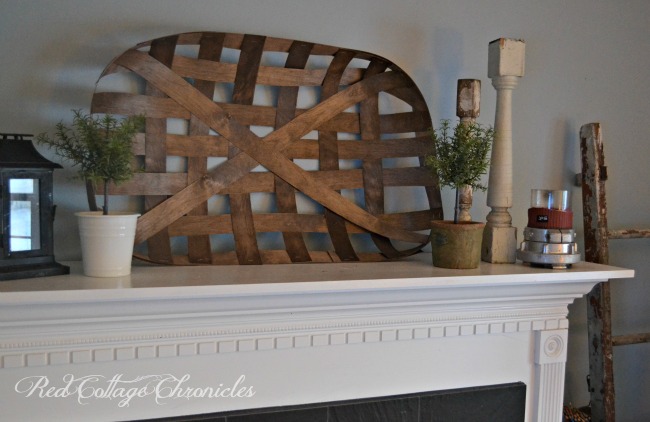
diy tobacco basket by red cottage chroniclesLove tobacco baskets but don’t love the price? Make this DIY Tobacco Basket for your mantel or shelf.


farmers market box for cookbooksWhite wash an old wooden box to create this DIY Farmers Market Wooden Box for visible storage.


DIY Farmhouse wreath with wood backingThis DIY Farmhouse Wreath with Wooden Backing is beautiful decor for any room.


Weathered Wood Plank Wall by Pinspired to DIYThe perfect farmhouse addition is a DIY Weathered Wood Plank Wall.


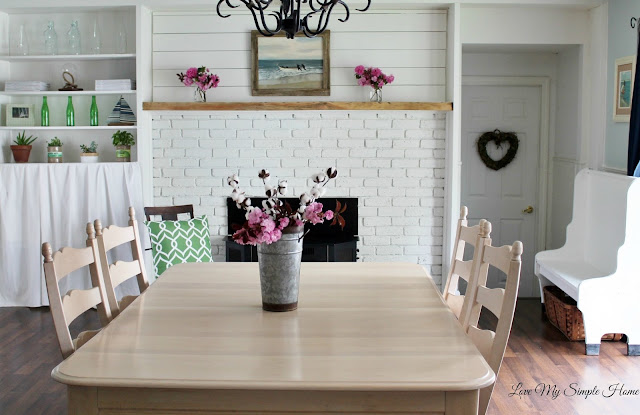
farmhouse fireplace makeover by lovemysimplehomeBring farmhouse into your home by creating a Fireplace and Wooden Mantel Makeover.


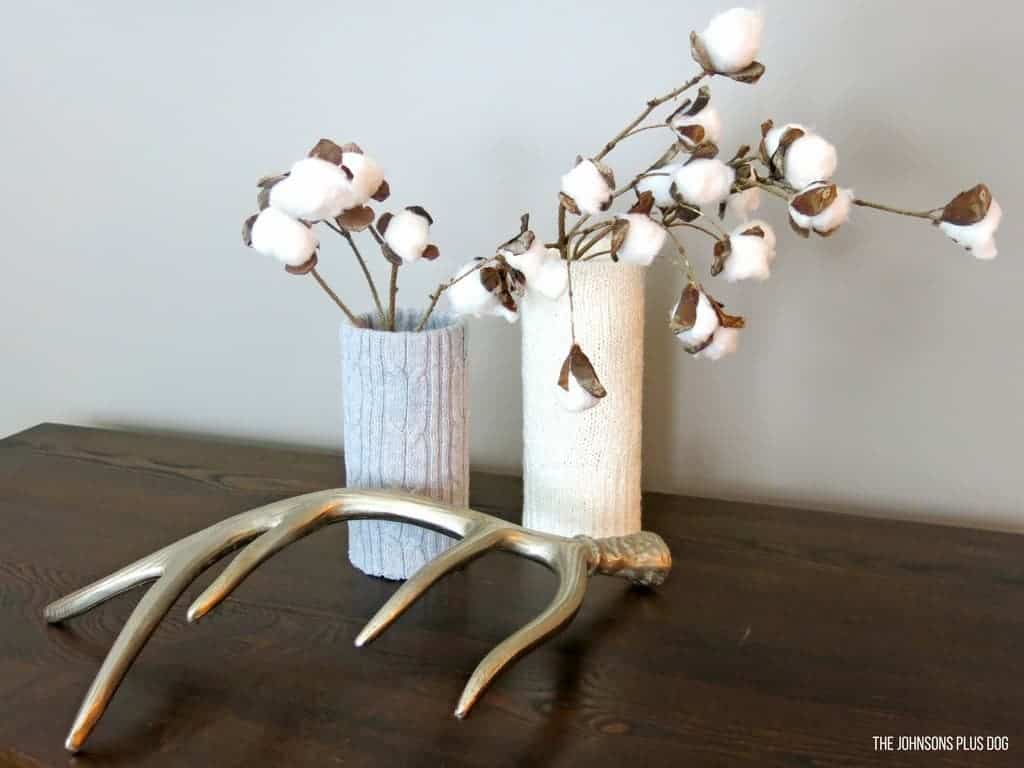
diy farmhouse cotton stems by making manzanitaCotton stems are on trend! Make your own DIY Cotton Stems for a fraction of the new price.


diy wood lantern farmhouse by hazel and gold designsDIY Wooden Lanterns give a great farmhouse feel to your indoor or outdoor spaces.
I hope you liked this collection of inspirational DIY farmhouse home decor. The greatest thing about DIY projects is being able to customize them for your space, so I hope these ideas sparked some creativity and helped you discover some ways you can bring the farmhouse style into your home. Let me know what you think!

Also, if you like these ideas, please pin this image to Pinterest to share!

Inspirational DIY Farmhouse Decor Ideas - pinterest image

Hi, I’m Sheri from Hazel + Gold Designs. Here are a few fun stats about me: I like love chocolate and peanut butter (together of course.) If you like stats, I have been crocheting for about 16 years, crafting for 20, and woodworking for about 4 years. I found a passion in making and being creative and began documenting my projects online at Hazel + Gold Designs.

When not working on projects, I enjoy spending time with my husband, four children, perfect dog, and ornery cat. You can find me on Facebook, Pinterest, Instagram and Twitter.

Read all of Sheri’s tutorials.

~Find more of Sheri’s projects here ~

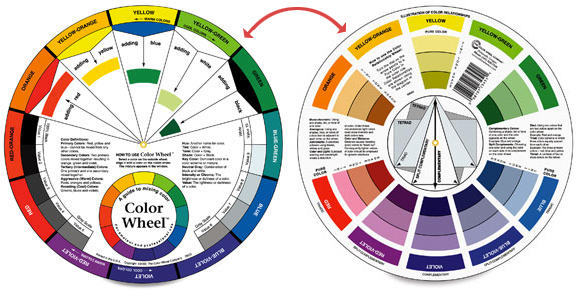
Artists Color Wheel | Pretty Handy Girl

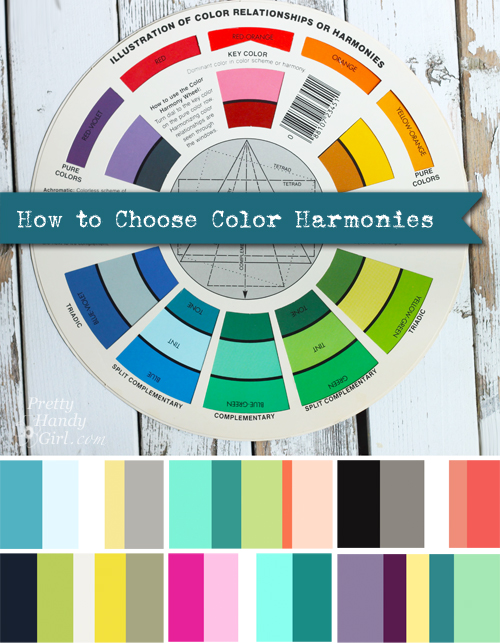
How to Choose Color Harmonies | Pretty Handy Girl
Color Harmony in Decorating

One of the most frequent complaints from homeowners is struggling to choose colors for their home. When you walk into the paint store, the color selection can seem overwhelming. Choosing a rug or furniture can be equally daunting. Today I’ll give you some tips and tricks for creating color harmony in home decorating. You’ll learn a little knowledge about color theory, complements and harmonies that make choosing colors much easier. Plus, you can use the same theories in almost any visual field. From  graphic design and web design to choosing your outfit for a big event. Pretty soon, you’ll be able to put together pleasing color palettes with ease.

I’m sure you’ve stumbled across art, paintings or photos that use visually stunning color palettes. Chances are that the artist or designer put thought into each color and how they work together. Let me introduce you to color relationships and harmonies!

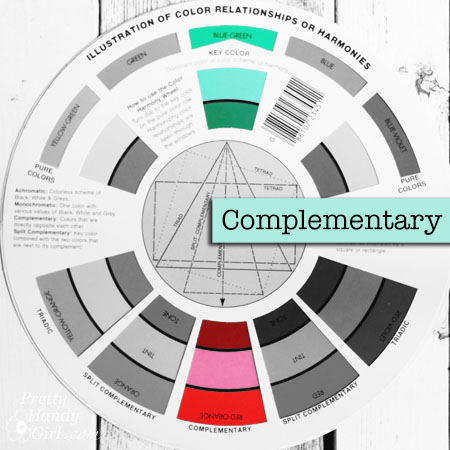
You’ve heard the term complementary colors, but do you know what defines a complement? Here are the definitions of the various color relationships or harmonies and some great sample palettes you can use in your home!

Complementary Colors:

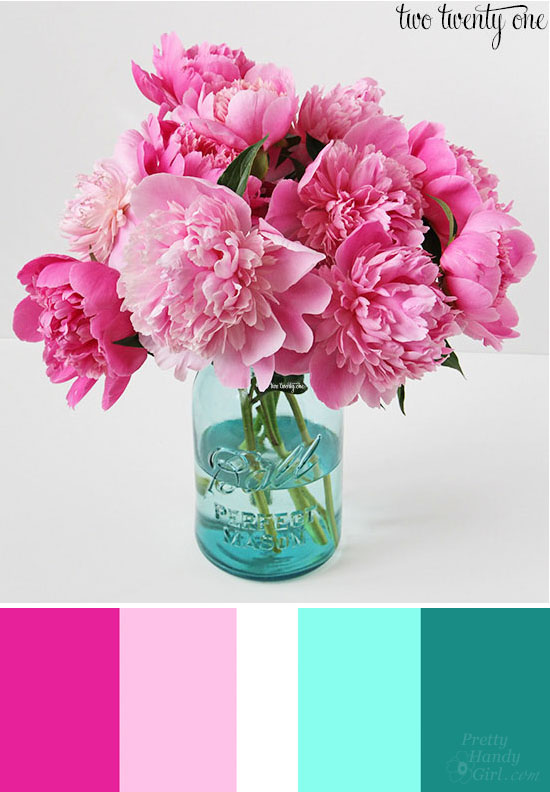
One of my favorite color combinations are the gorgeous pinks in a bouquet of peonies paired with an aquamarine ball jar.  Something about this palette stops me in my tracks every time! The reason this pair grabs my attention is that those two colors are complementary.

How to Choose Colors in Your Home | Pretty Handy Girl
Photo courtesy of Two Twenty One

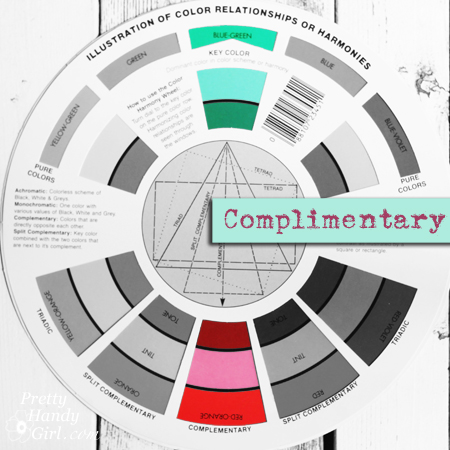
Red/orange and blue/green are directly across from each other on the color wheel which makes them complementary or a perfect pair. (Kind of like wine and chocolate…right?!)

Complementary Color Palettes

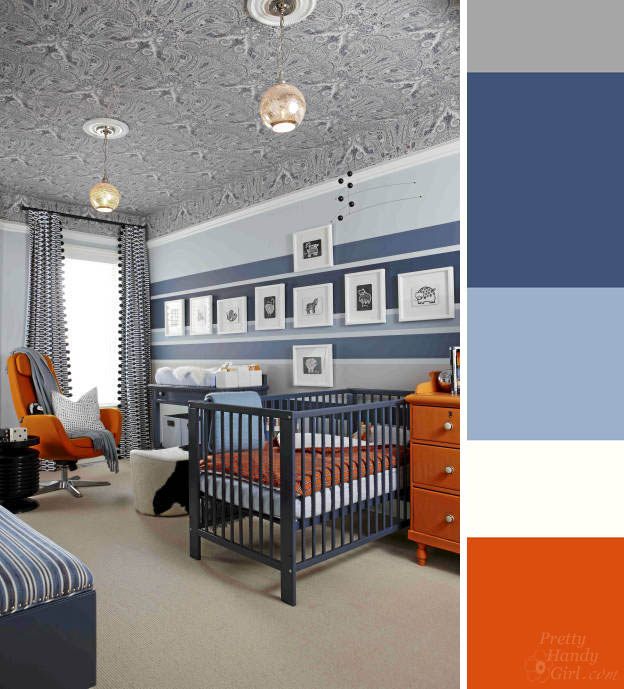
Here is another example of a complementary color palette. Blue and orange are stunning together. All the blues are balanced by a few pieces of fiery orange that demand attention in Sarah Richardson’s nursery below.

How to Choose Colors in Your Home | Pretty Handy Girl
Photo courtesy of Sarah Richardson via HGTV.ca

Complementary Color Palettes

 Split Complementary Colors:

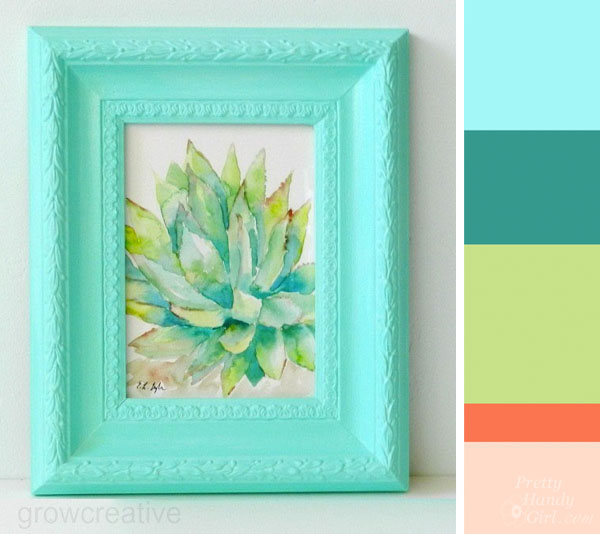
Elise from Grow Creative is my newest favorite eye candy blog. She is a watercolor artist and photographer. You should definitely subscribe to her blog for a visual pick me up every time she posts! Her watercolor painting of a cactus contains a great example of the split complementary relationship.

How to Choose Colors in Your Home | Pretty Handy Girl
Photo courtesy of Grow Creative

Although, she only used a little of the bright red-orange color at the tips of the cactus, the bright color holds its own opposite the blue and green split. Without the orange, this painting would still be beautiful with an analogous palette (see the explanation of an analogous palette here.)

Split Complementary Color Palettes

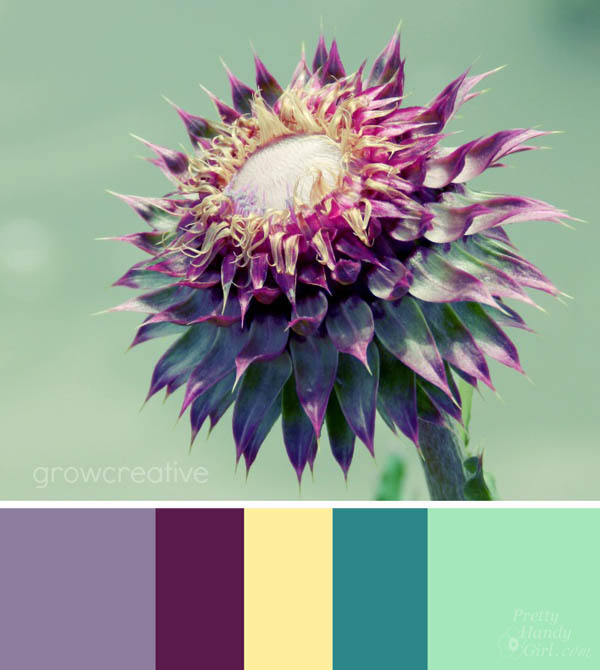
In the photo below of the Thistle from Grow Creative, the opposing colors have a wonderful split complementary relationship.

How to Choose Colors in Your Home | Pretty Handy Girl
Photo courtesy of Grow Creative

The purples and green steal the show for sure, but the small hint of yellow gives this photo more complexity.

Split Complementary Color Palettes

Analogous Colors:

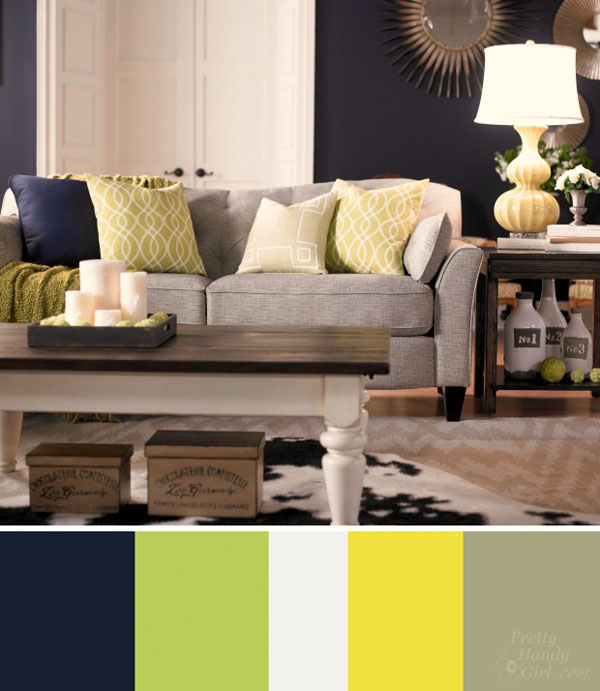
While attending the La-Z-Boy event, I fell in love with Beth from Home Stories A to Z’s room design. The dark and light contrast of the navy with the crisp white doors stole my heart for sure. But, the decor colors really complete this stunning palette.

How to Choose Colors in Your Home | Pretty Handy Girl
Photo courtesy of Home Stories A to Z

The key colors in her room are navy, light green and yellow. The white and grays are neutral therefore, they work with any color. Together you have a great example of an analogous palette.

Analogous color harmony | Pretty Handy Girl

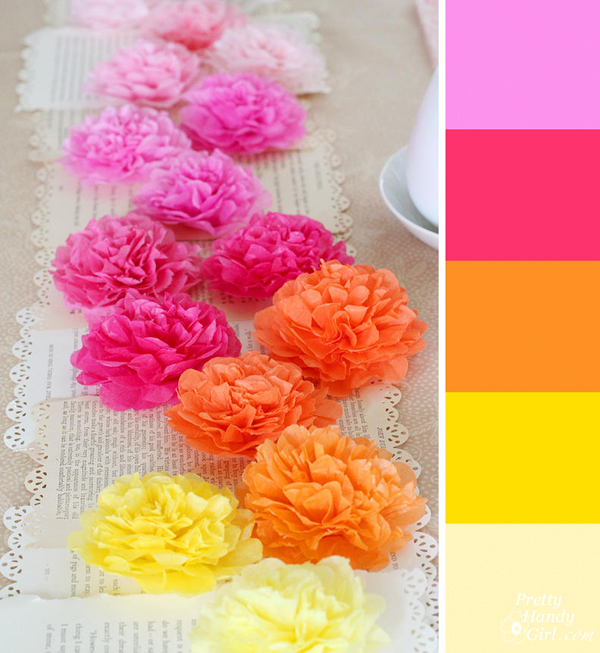
Another example of an analogous palette is seen in this photo of a paper floral table runner by Fiskars:

How to Choose Colors in Your Home | Pretty Handy Girl
Photo courtesy of Fiskars

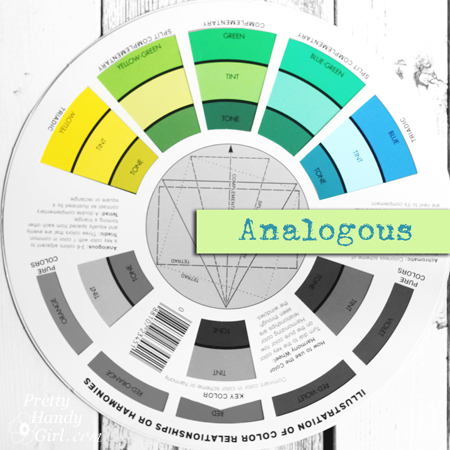
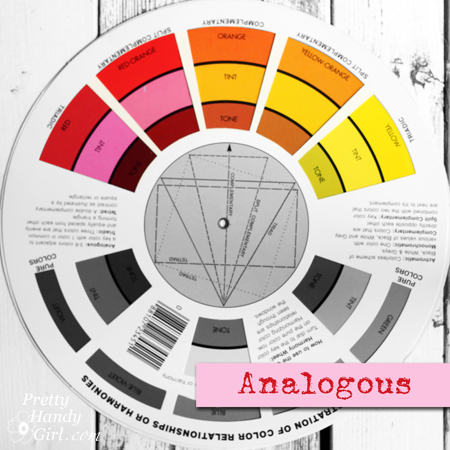
Choose colors that are adjacent to each other on the color wheel for a gorgeous analogous palette. These colors together are sunny, warm, energetic, but most of all harmonious.

Analogous Color Harmony | Pretty Handy Girl

Tetrad and Triad Palettes: 

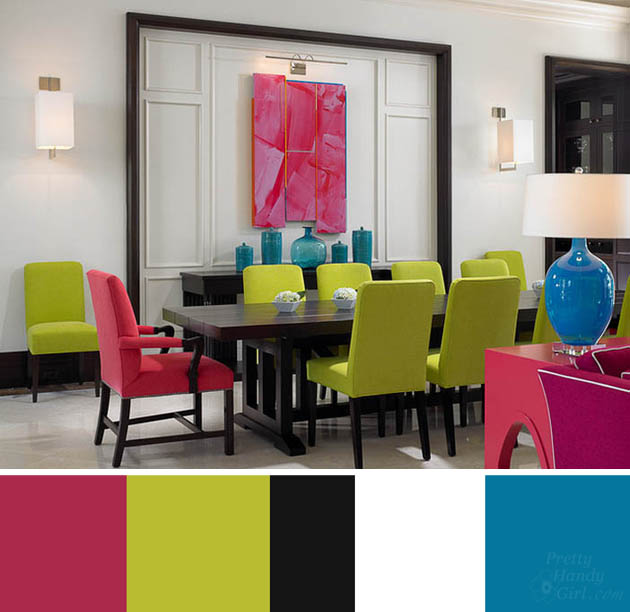
Now we’re getting into a few of the more complex palettes. They aren’t hard to use, but do require a little more thought in terms of amounts and value. The bold palette in this dining room works well because they are presented against a neutral black and white backdrop.

How to Choose Colors in Your Home | Pretty Handy Girl
Photo courtesy of John David Edison Interior Design in Toronto, ON

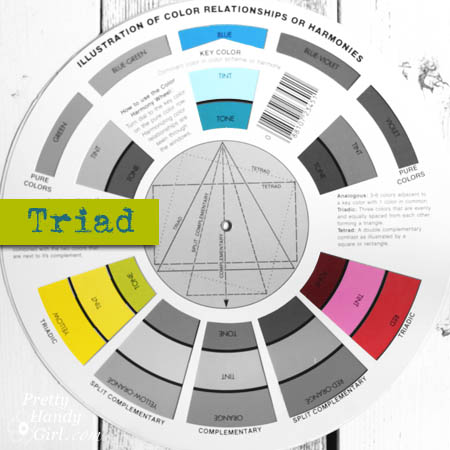
The blue, yellow and pink colors form a perfect triangle on the color wheel making them a great example of a triad relationship.

How to Choose Colors in Your Home | Pretty Handy Girl

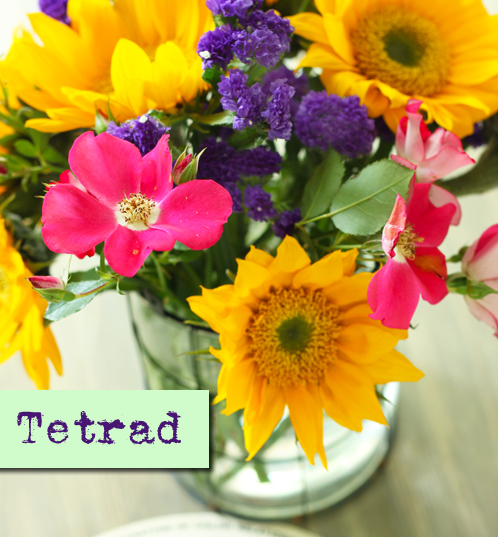
This bouquet my husband gave me for my birthday is a wonderful example of a Tetrad palette at work.

Tetrad Color Hamonies Split Compliment Color Palette | Pretty Handy Girl

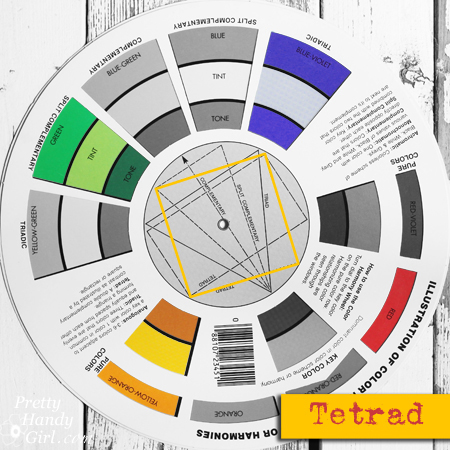
The four colors (red/yellow/blue-violet/green) are equally spaced on the color wheel. Using all these colors in a room design can be gorgeous, but you should choose one main color and a secondary color that will dominate and let the other two colors take up less visual space. As an alternative, you could balance the bold colors with a large amount of a neutral color(s) as shown in the dining room above.

Tetrad Color Hamonies Split Compliment Color Palette | Pretty Handy Girl

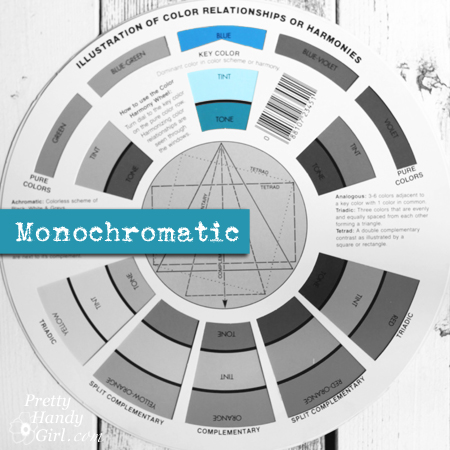
Monochromatic:

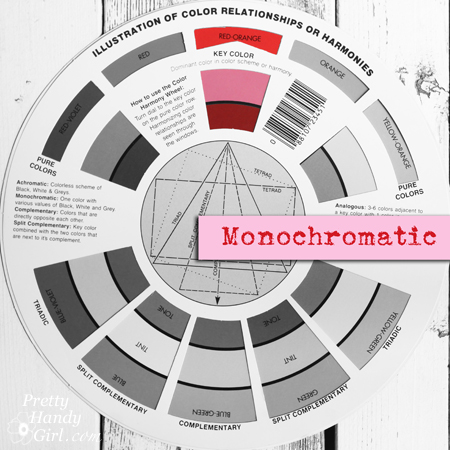
After explaining some complex color relationships, I wanted to leave you with a very simple palette. The monochromatic palette is comprised of one color used throughout a room with differing values (shades of that one color achieved by adding white or black.)

How to Choose Colors in Your Home | Pretty Handy Girl

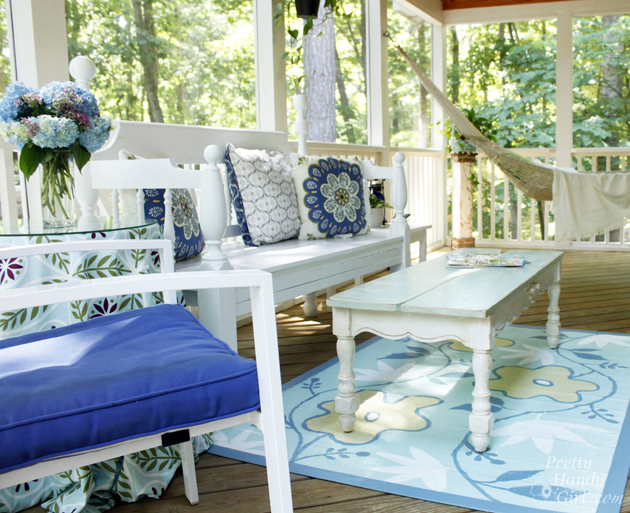
My screen porch has a monochromatic palette. Using a variety of shades of blue with white creates a calming palette that’s easy on the eyes (and invites one to sit for a while and relax.)

Monochromatic Palette | Pretty Handy Girl

For a little more punch, you can pair one color with black and white.

How to Choose Colors in Your Home | Pretty Handy Girl
Photo Courtesy of MintSix Boutique Homewares and Styling in New Zealand

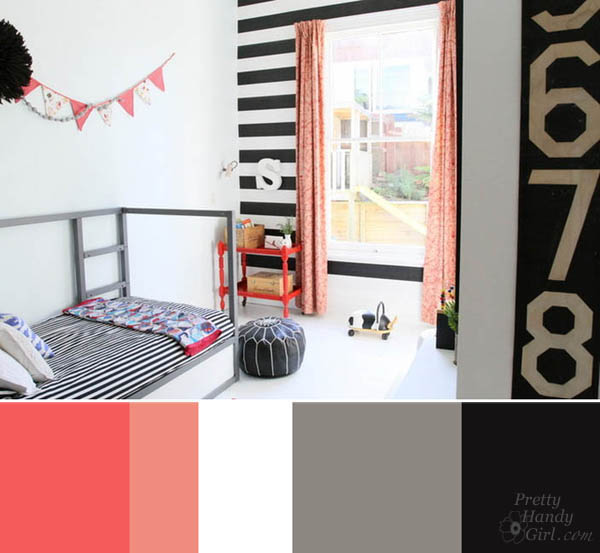
Mint Six Boutique creates a beautiful example of a monochromatic palette with several shades of red and coral in this bedroom.

Monochromatic Palette | Pretty Handy Girl

The coral color steals the show, but is highlighted by the contrasting black and white in the room. Using strong contrasts in your home are sure to create visual impact.

Where to Get a Color Wheel:

Creating new color palettes is easy if you use a color wheel. You can purchase a color wheel on Amazon for less than $10! Once you have one, you can use it to choose colors for a room palette, coordinate your outfit for a big event, tablescapes, logo design and much more.

Artists Color Wheel | Pretty Handy Girl

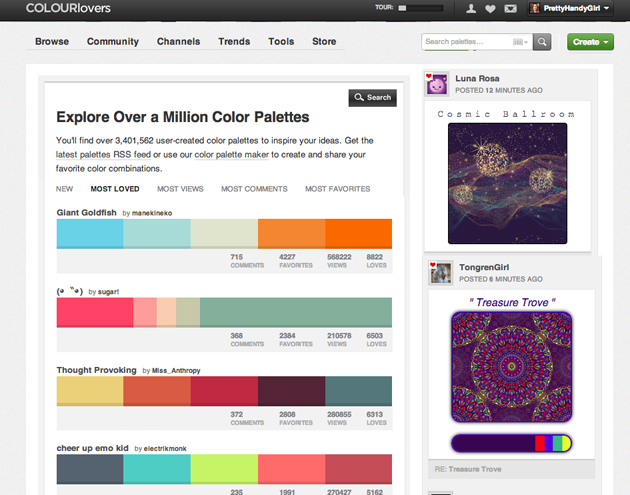
Before you have one of these great color tools on hand, you can visit ColourLovers. It is a website that allows you to browse color palettes:

ColourLovers.com | Pretty Handy Girl

(Feel free to follow me on COLOURlovers, as I upload my new favorite color palettes.)

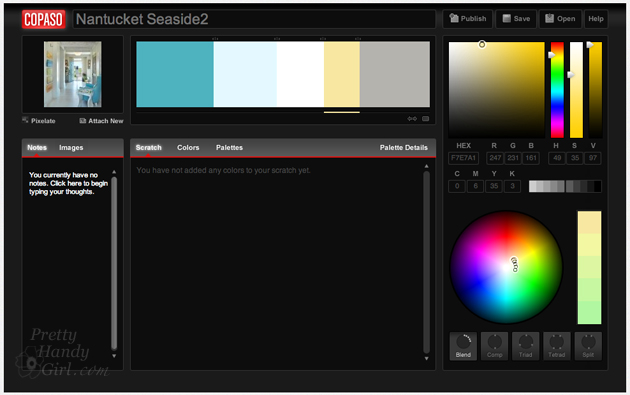
Or you can create your own palettes. One of the best tools on their site is Copaso (found under tools). You can use it to upload pictures and/or create color palettes from scratch. To see suggested complements and harmonies, select one of the buttons below the color wheel.

Copaso color palette | Pretty Handy Girl

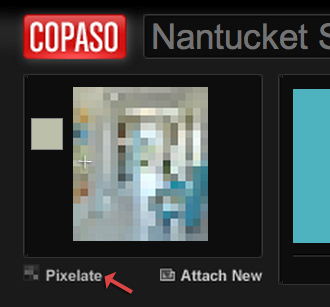
Find photos that have color palettes you love (Houzz and Pinterest are two great places to start). Then upload the photo in the Copaso program. The program lets you pixelate the photo so you can select exact colors (you can also fine tune the hue and value until you reach your desired color.)

Copaso Pixelate Picture | Pretty Handy Girl

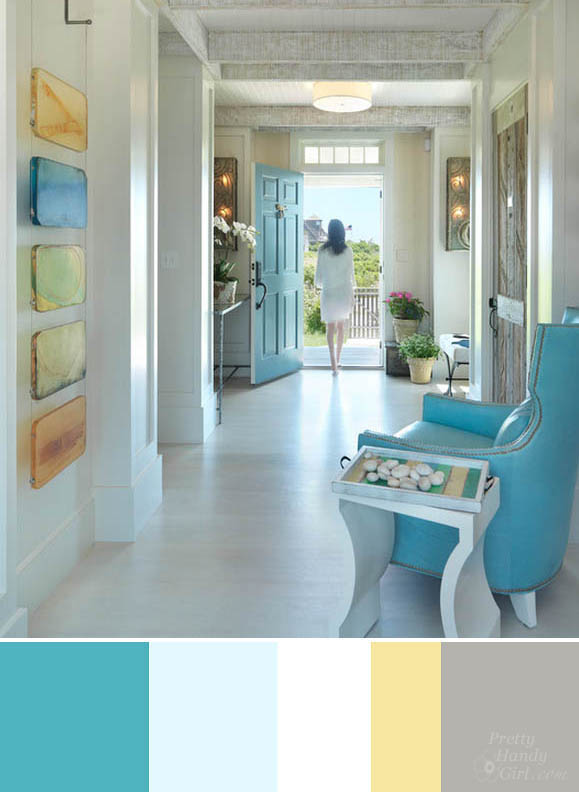
I uploaded this beautiful seaside home from Houzz to create a new palette of seaside colors that appeal to me:

How to Choose Colors in Your Home | Pretty Handy Girl
Photo Courtesy of Donna Elle Seaside Living in Nantucket, MA

Next time you are thinking about shopping for home decor, paint colors or furniture, have a plan before you go. Use color harmonies and complements to help you solidify your color palette. Planning ahead will help avoid that overwhelmed feeling.

Pin this post to refer to next time you are trying to figure out good color harmonies!

How to Choose Color Harmonies | Pretty Handy Girl

Enjoy picking fabulous color palettes from now on!

PHGFancySign