How to Cut an Art Mat Like a Pro | Pretty Handy Girl

How to Cut an Art Mat Like a Pro | Pretty Handy Girl

Want to save some money and mat your own prints and artwork? It’s not hard, but having the right tools will really help you cut a straight, clean and beveled mat.

I’ve been giving the boys’ bathroom a little updating and one of the things that I wanted to do was add some artwork. Because the bathroom has predominantly blues and whites, I’ve been sticking with a coastal theme. I decided to create my own art using photos of the ocean.

I found two photos that I took of the boys from past vacations and emailed them to myself. Then I saved them to my phone and ran them through the Waterlogue app (only available for iPhone right now.) The app turns any photo into a beautiful watercolor painting. I’m seriously addicted to this app right now.

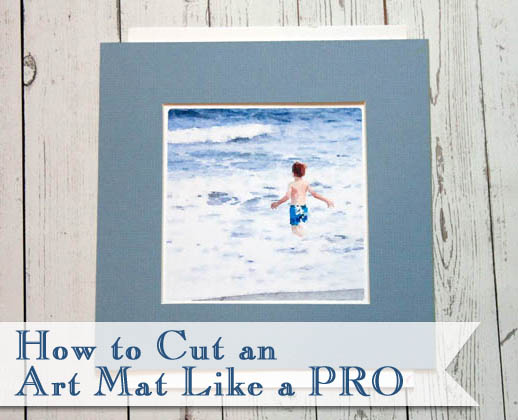
How to Cut an Art Mat Like a Pro

After running the photo through the app, I emailed myself the new photo. Then all I had to do was open it on my computer and print it onto Epson Velvet Fine Art Paper. The paper has a watercolor paper texture and produces beautiful images.
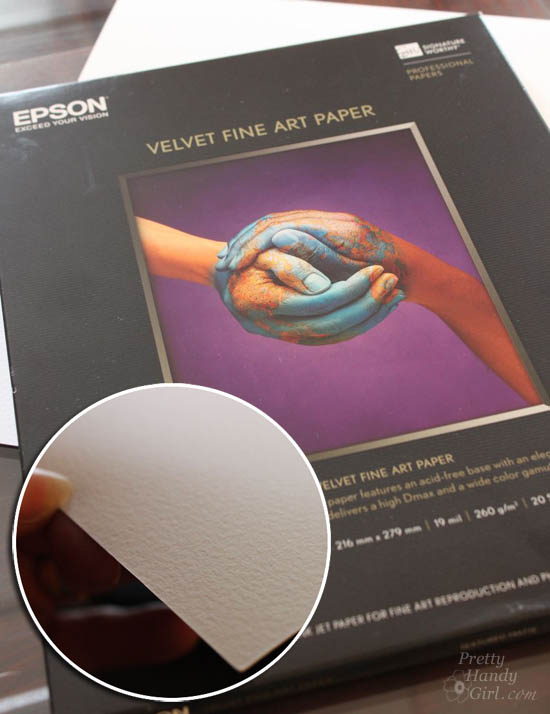
Epson Velvet Fine Art Paper | Pretty Handy Girl

And viola! Instant meaningful art!

How to Mat a Picture Like a Pro | Pretty Handy Girl

Luckily I already had frames on hand to use for this project.
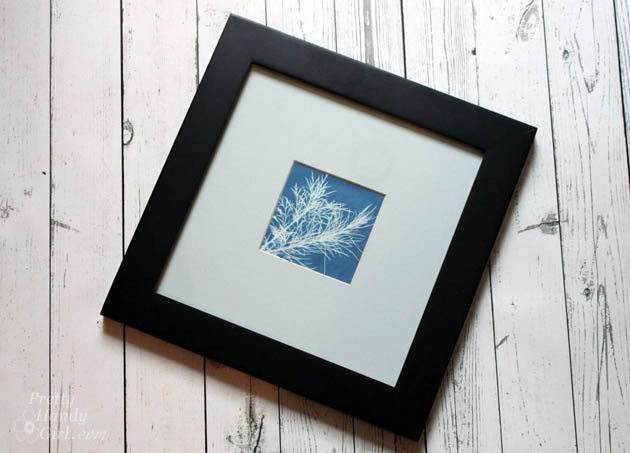
How to Mat a Picture Like a Pro | Pretty Handy Girl

Before cutting the mats, I painted the frames with Annie Sloan Paris Grey and finished them off with Miss Mustard Seed’s Linen. Then I distressed the edges of the frames.

Now, about matting that artwork…

How to Cut an Art Mat Like a Professional:

First, choose a firm and flat surface to work on. Hopefully you have a self-healing cutting mat to cut on top of. If not, you can use thick chipboard or scraps of linoleum, but be careful that you can’t cut through to your work surface.

Materials:

A Note about Cutting Blades:

When cutting mats it is imperative that you have a fresh blade. I sometimes have to use 2 blades per mat. So, don’t be shy about swapping that blade out. If a tip breaks off, it’s going to drag on the mat and won’t give you a clean cut. (Discard old blades by wrapping them in tape to avoid personal injury.)
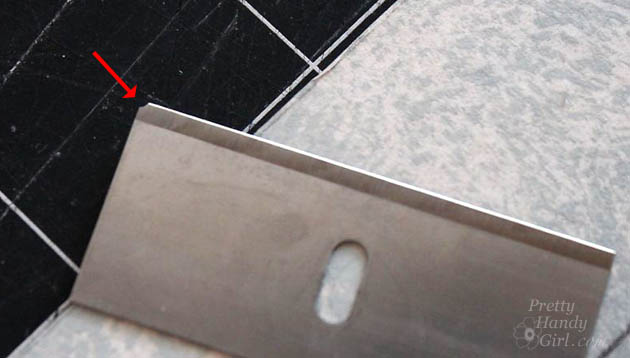
How to Mat a Picture Like a Pro | Pretty Handy Girl

If you don’t own a mat cutter, you can cut your mat window with an x-acto knife, but you won’t achieve a good clean bevel. Typically, if you cut 2-3 of your own mats, your tools will pay for themselves! The Logan mat cutter I use runs about $50 for the guide and cutting handle.


Instructions:

Read more

Radiant Orchid Vases from Recycled Cans & Jars | #upcycling | Pretty Handy Girl

Radiant Orchid Vases from Recycled Cans & Jars | #upcycling | Pretty Handy Girl

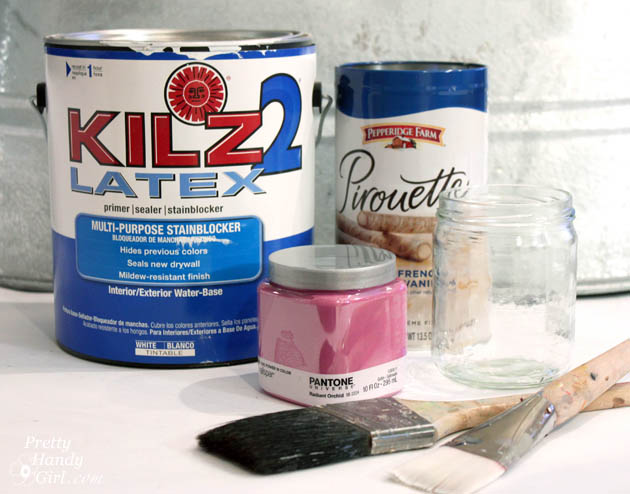
There I was digging things out of the recycling bin again. Pretty Handsome Guy gave me a raised eyebrow, but he knew better than to question my motives. I had that idea bulb flashing over my head, and I was ready to transform some jars and tins. With Springtime just around the corner, it was time to force a little vibrant color into our home. I introduce to you the cheapest way to bring Radiant Orchid color into your décor! If you have recycled jars and tins, you are set!

(I’ve included affiliate links for your convenience. I earn a small percentage from a purchase using these links. There is no additional cost to you. You can read more about affiliate links here.)

Materials: 

Radiant Orchid Vases from Recycled Cans & Jars | #upcycling | Pretty Handy Girl

Optional: Gold vinyl stripes or washi tape

Instructions:

Clean out your jars, bottles or tins.

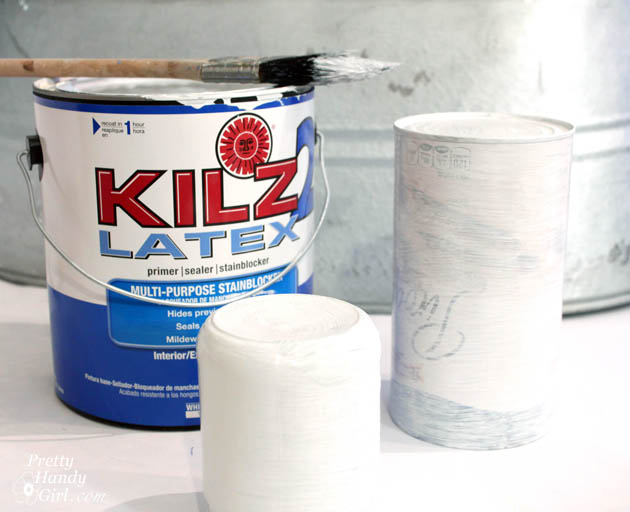
Coat the exterior of your recycled vessel with primer. Allow to dry.

Radiant Orchid Vases from Recycled Cans & Jars | #upcycling | Pretty Handy Girl

Paint each bottle and tin with radiant orchid paint. Allow to dry. You might need two coats depending on the coverage. Read more

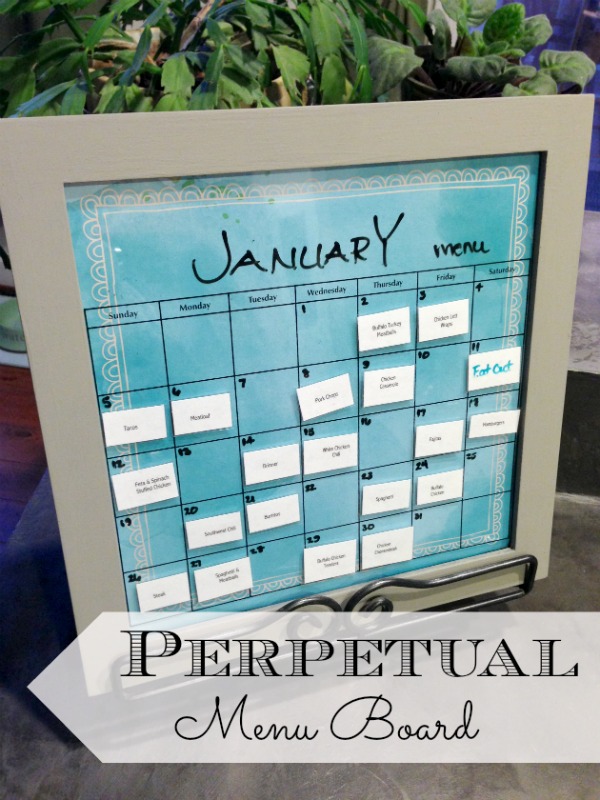
Reusable monthly menu board with magnetic meals - perpetual menu board

Reusable monthly menu board with magnetic meals - perpetual menu board

We were recently in North Carolina visiting with Matt’s family.  While we were there I took the time to visit an old dear friend of mine.  This girl has known me for years!  In fact I just realized it’s been 21 years since I first met her.  Needless to say it’s important to catch up with friends like this whenever you get a chance. While visiting her, I noticed she had an adorable menu board in her kitchen where she keeps track of all of her meals for the month.  Since “What’s for dinner?” is one of Matt’s favorite things to ask me, I knew I had to make one of these menu boards.

Materials:

  • 12×12 Frame
  • Clear Plastic Calendar Page
  • Scrapbook Paper
  • Magnets
  • Dry Erase Marker(s)
  • Printer Paper or Card Stock
  • Printer
  • Laminator or contact paper
  • Sheet Metal
  • Magnetic Paint
  • Tin Snips
  • Safety Glasses
  • Gloves

Instructions:

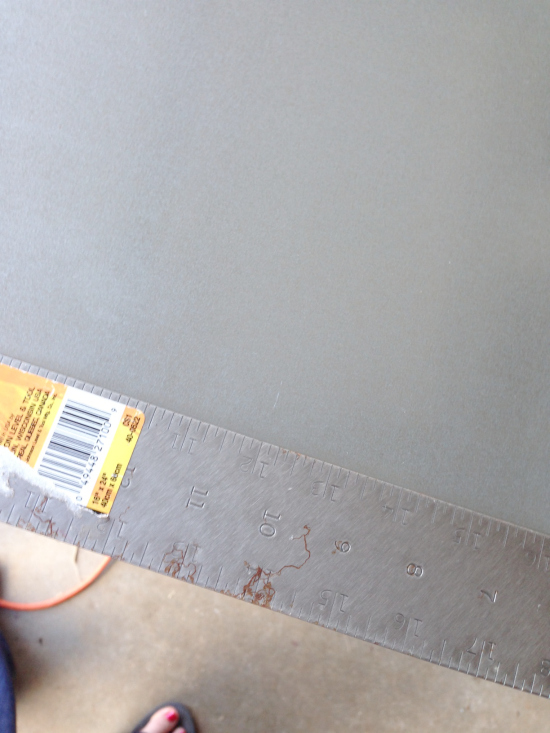
Start by measuring the inside of the frame.  (In my case that measurement was 12″ by 12″.)  Using a marker, mark a dot 12″ down from the edge onto your sheet metal.  Repeat this on the opposite side.

Reusable monthly menu board with magnetic meals - perpetual menu board

Use a straight edge (or carpenters square) lined up on the dots and draw a line.  This will be where you make your cut.

Read more

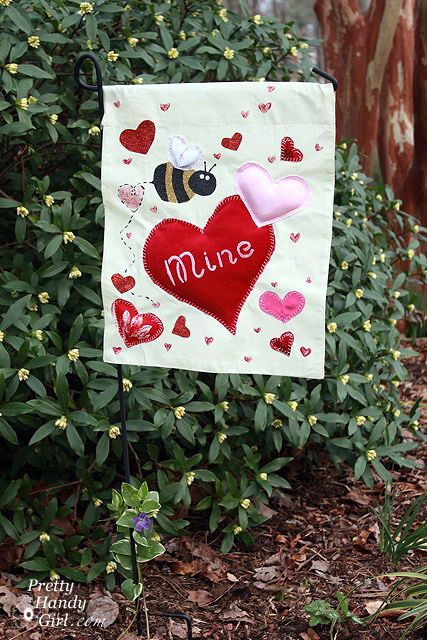
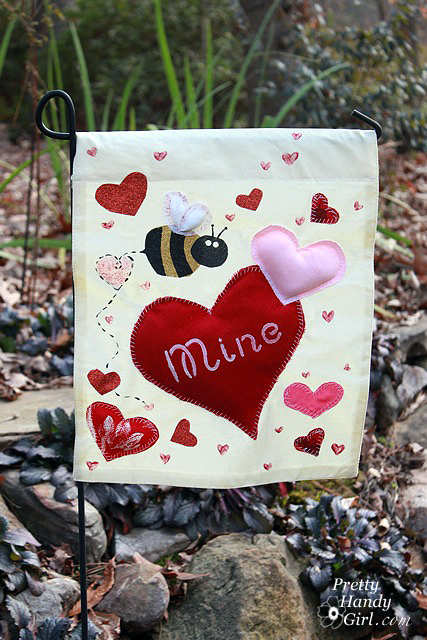
I love making unique garden flags. My go-to material for these outdoor accessories are Dollar Tree placemats! You read that right. $1 fabric placemats! But, if you don’t live near a Dollar Tree and you have old placemats, you could upcycle them into a Valentine’s Day garden flag!

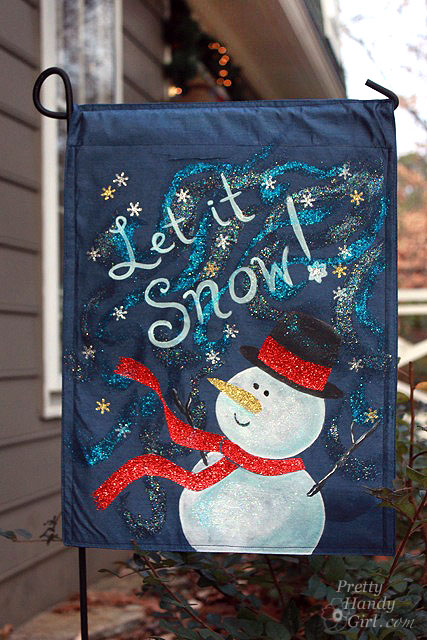
A few years ago, I made this Let it Snow flag:

Although it doesn’t seam to convince Mother Nature to bring us some white powder, it has held up nicely in the cold and rain. I’ve since set out to create a garden flag for each season. I have a Fall themed flag and a Summer flag. So, why not a Valentine’s Day flag?!

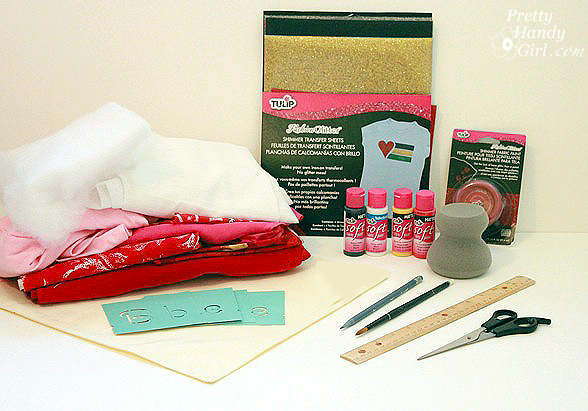
Start by collecting some supplies. Feel free to substitute what you have on hand.

Materials:

  • Dollar Store placemat
  • Ruler
  • Soap sliver (pencil or disappearing fabric marker)
  • Letter stencils (I chose a set by Martha Stewart Plaid)
  • Round paint brush
  • Tulip Fabric paint (white and black)
  • Tulip glitter fabric paint
  • Tulip glitter transfer sheets
  • Fabric scraps (red, pink and white)
  • Polyester stuffing
  • Scrap fabric, towel or rag (for ironing the glitter iron-ons)
  • White thread
  • Scissors

Begin by ironing the fabric you will be using (including the placemat). Use caution when ironing the placemat, the DollarTree ones I bought are polyester and needed a cooler iron. Read more

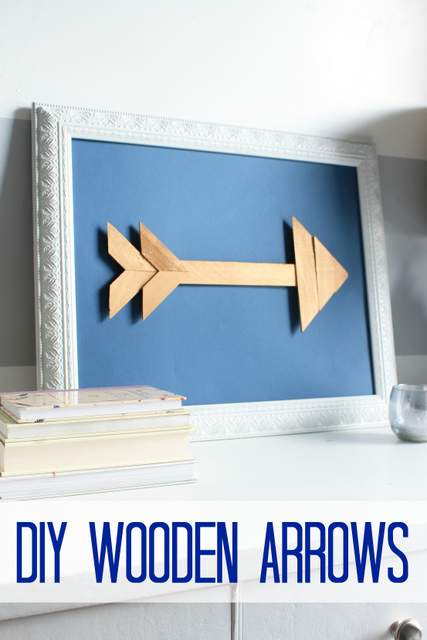
DIY Wooden Arrows

DIY Wooden Arrows

Although I don’t typically decorate for Valentine’s Day, this year I couldn’t resist a little craft project to celebrate the holiday. After all, it is about love and chocolate and who can resist love and chocolate? Instead of the usual craft creating something heart shaped, I decided to pay a little attention to Cupid and his arrows. I put together these easy DIY wooden arrows and now I’m going to show you how you can make one too!

This project is really easy, and totally customizable so you don’t have to be exact with your measurements. Feel free to be a little more free style. You can paint it {or not}, just about any color you’d like.

Materials

  • Wooden Shims
  • Wood Glue
  • Miter Saw (or a hand saw and miter box)
  • Pencil
  • Ruler
  • Spray paint, craft or wall paint or wood stain {optional if you will paint/stain it}
  • Frame for framing {optional}

Instructions

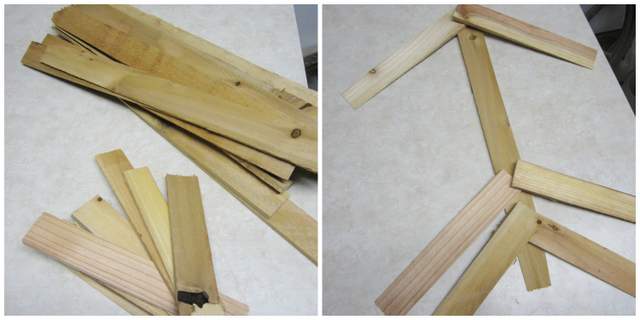
1. First select some nice wood shims to use. Make a rough representation of what you’d like your arrow to look like.

This was a rough image of what I came up with. Two shims for the point and a few more for the tail. Wooden Shims

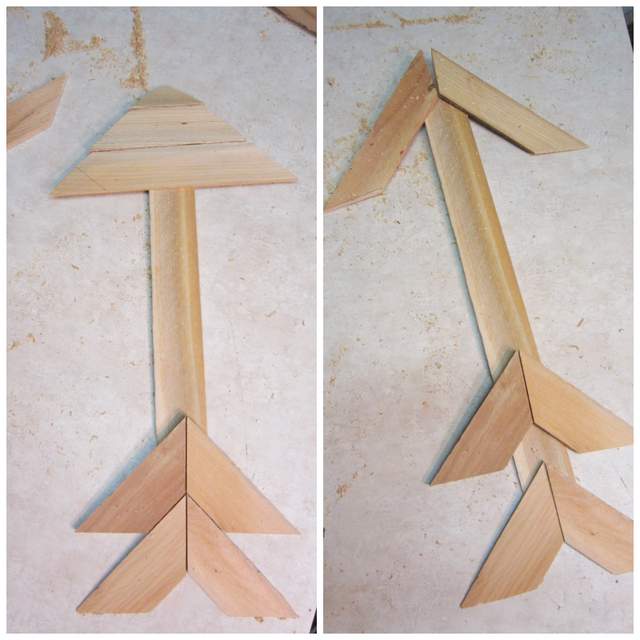
2. Start cutting your arrow and tail parts. You can cut the pieces like the arrow on the right or left, shown below. Either way you’ll need some pieces with a 45 degree angle. That’s where your miter saw comes in. See Brittany’s post about how to use a miter saw here. It’s one of the first power tools I learned to use and is very easy to handle and work with.

Wooden Arrows3. To cut the 45 degree angles, first set your saw at the 45 degree mark. Then cut one end of the wooden shim to 45 degrees.

Read more