How to Make an Old Water Heater More Energy Efficient | Pretty Handy Girl

How to Make an Old Water Heater More Energy Efficient | Pretty Handy Girl

At the beginning of 2016 government standards dictated that new tank style water heaters must be more energy efficient. In response, manufacturers added internal insulation to new heaters. Unfortunately for those of us with tiny crawlspace water heaters, it meant we had to give up 10 gallons in storage to accommodate the added insulation. For a family of four, that is a big deal when our tank only holds 50 gallons to begin with.

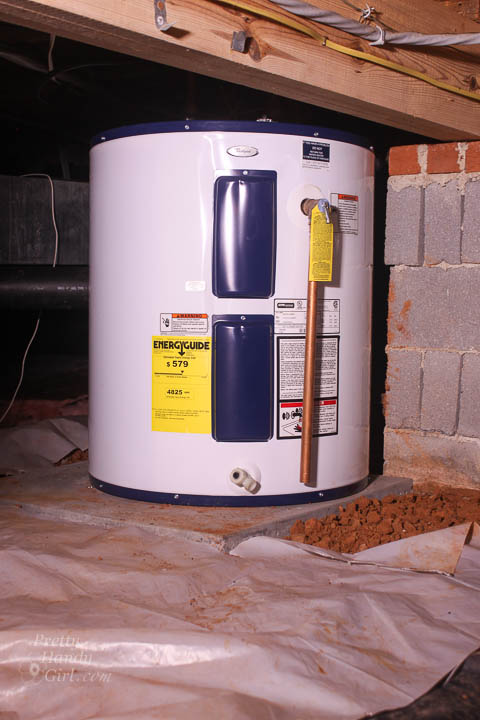
In anticipation of the new rules, I purchased one of the last “less energy efficient” models to replace our 15 year old unit.
How to Make an Old Water Heater More Energy Efficient | Pretty Handy Girl

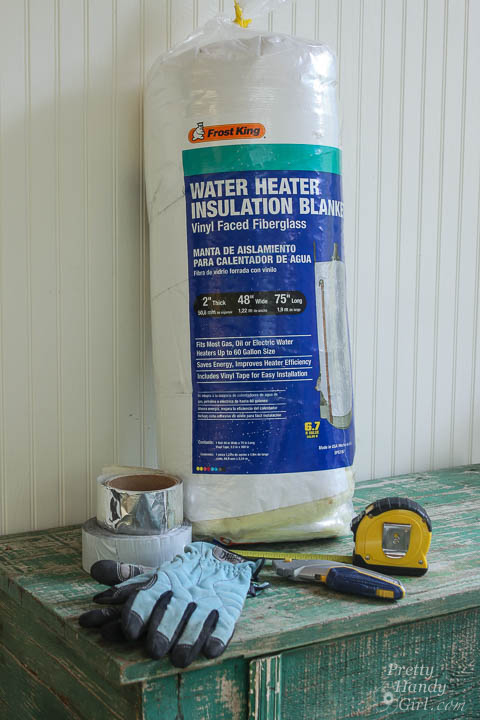
Although it’s true that an older water heater has less insulation, you can help your tank be more energy efficient. How? Simply add a water heater insulation blanket. It’s an easy DIY home improvement you can accomplish in thirty minutes or less. Want to learn How to Make a Tank Style Water Heater Energy Efficient? Great, let’s get cozy.

Materials:
How to Make an Old Water Heater More Energy Efficient | Pretty Handy Girl

(I’ve included affiliate links for your convenience. I earn a small percentage from a purchase using these links. There is no additional cost to you. You can read more about affiliate links here.)

Preparation:

For your personal safety, turn off the power supply to your water heater.
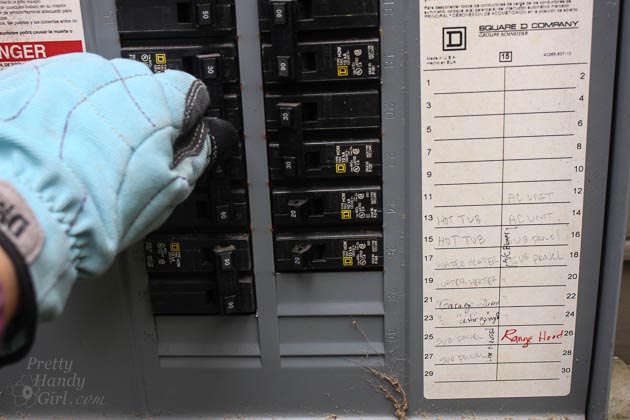
How to Make an Old Water Heater More Energy Efficient | Pretty Handy Girl

Suit up if you have to go into a crawlspace. I always wear work pants and knee pads because even the most pristine crawl space might have an occasional rock or dropped nail or screw that you don’t want to kneel on.
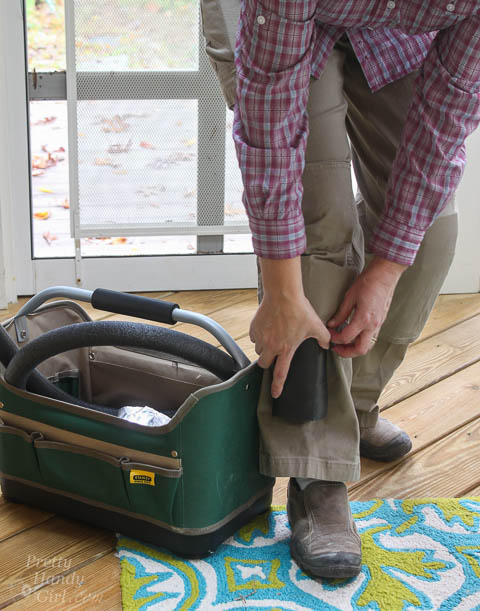
How to Make an Old Water Heater More Energy Efficient | Pretty Handy Girl

Instructions:

Measure the height and circumference of your water heater.
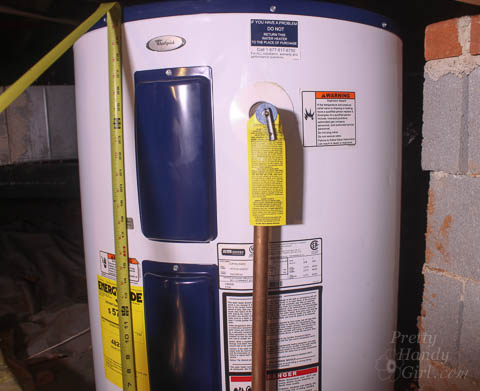
How to Make an Old Water Heater More Energy Efficient | Pretty Handy Girl

Transfer the measurements onto your insulation blanket and cut to size*. (The low boy water heaters that fit in crawlspaces are usually wider than their taller cousins, so you may have to rotate the blanket or piece it together to make it fit.)

*As a side note, I didn’t have enough to go all the way around with the Frost King water heater insulation blanket I used. After reading reviews, I realize I wasn’t the only one. Therefore, I linked to another insulation blanket with better reviews in the materials list.
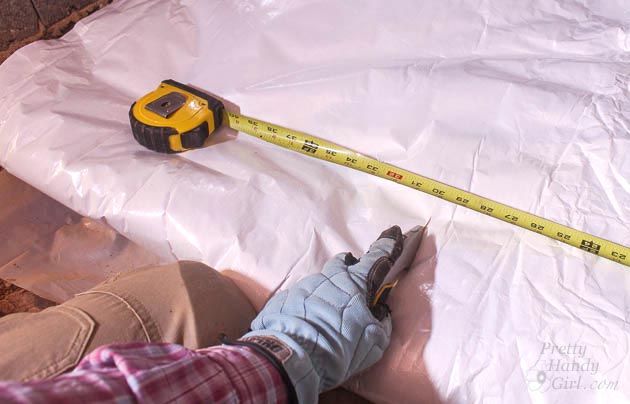
How to Make an Old Water Heater More Energy Efficient | Pretty Handy Girl

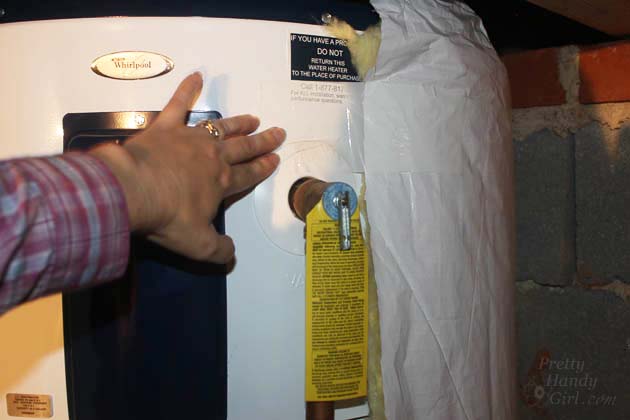
Add some tape to the tank to secure the insulation blanket (the fiberglass insulation side facing in.) Then wrap it around the tank.
How to Make an Old Water Heater More Energy Efficient | Pretty Handy Girl

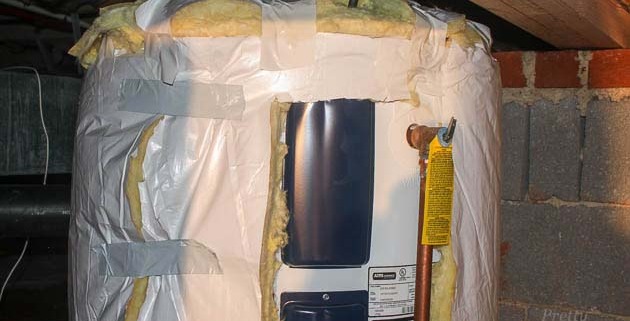
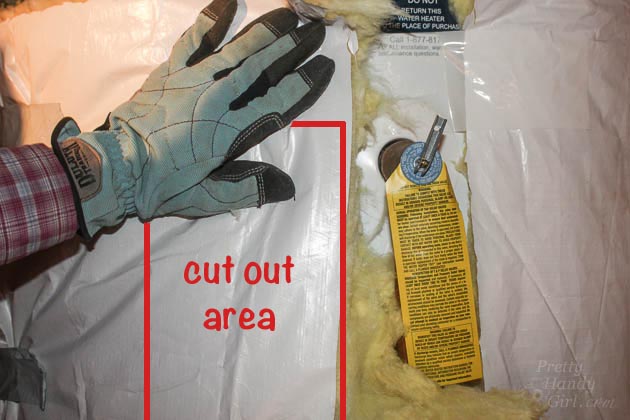
You must keep the access panel and pressure release valve uncovered. Cut those sections out of your blanket.
How to Make an Old Water Heater More Energy Efficient | Pretty Handy Girl

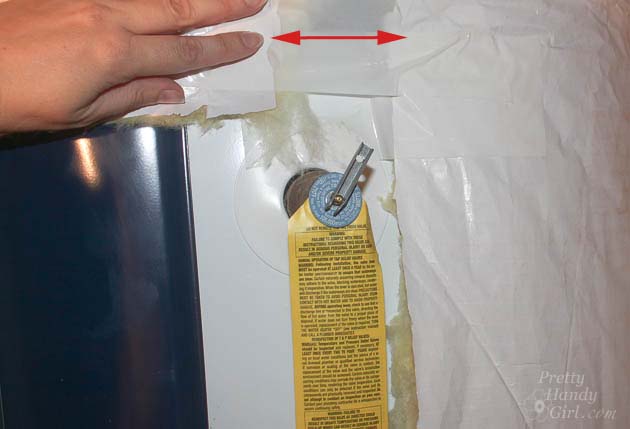
Add duct tape to secure the blanket around the water heater.
How to Make an Old Water Heater More Energy Efficient | Pretty Handy Girl

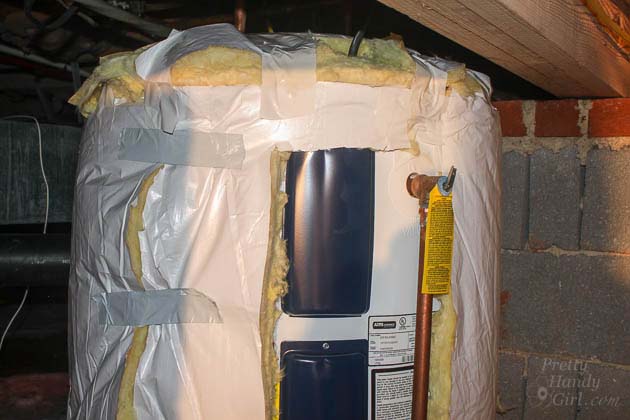
If you have additional insulation blanket material, cut a piece and attach it to the top of your heater (only for electric water heaters.)
How to Make an Old Water Heater More Energy Efficient | Pretty Handy Girl

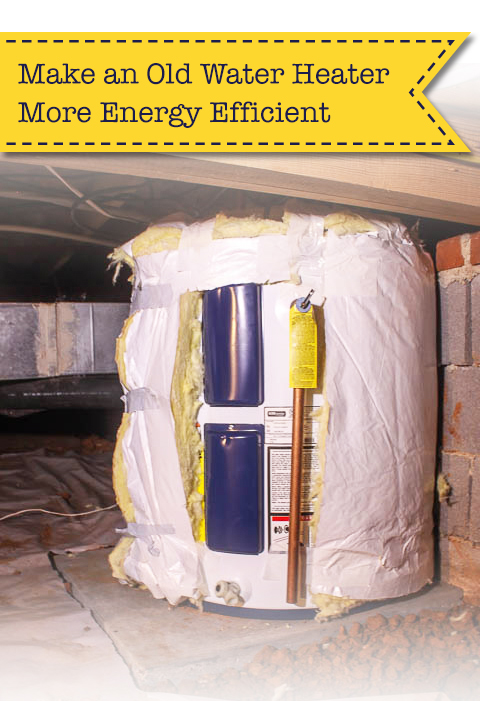
Doesn’t your water heater look cozy and warm? It may not be the prettiest makeover, but it will save a pretty penny! 😉
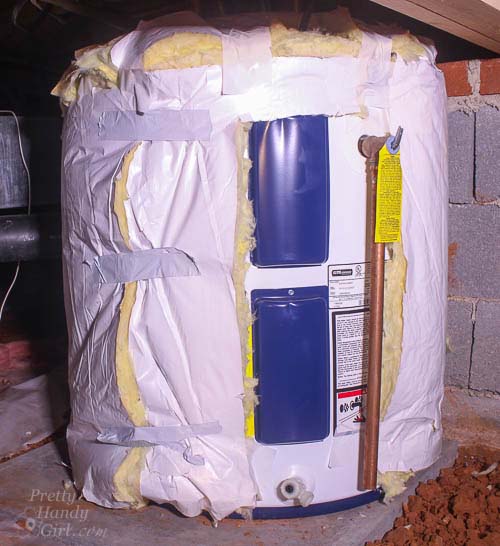
Don’t forget to turn the power back on and enjoy hot water on demand.

Hope you have a great weekend and check out some of these home maintenance repairs you can do yourself!

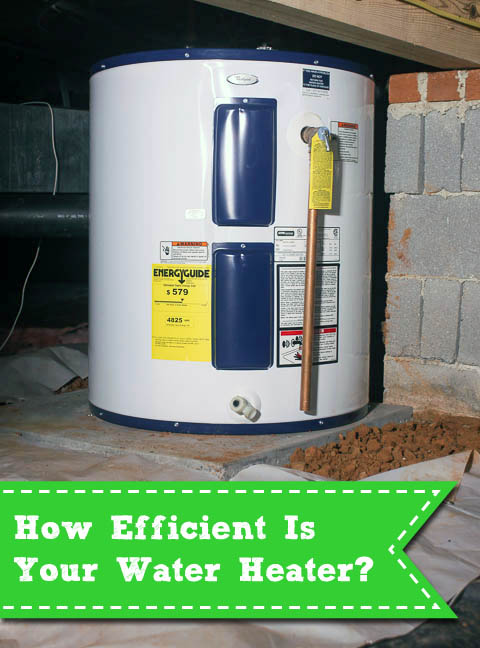
How Energy Efficient Is Your Water Heater? | Pretty Handy Girl

Let’s talk more about energy efficiency today. Did you know that your water heater can be one of the biggest energy hogs?

How Much Energy Your Home Uses

It’s true! That conventional storage tank water heater works all day to keep your water hot. If the thermostat senses the temperature dip below the set temperature, it turns on to heat the water again. This goes on all day and night regardless if you are home or not. And until recently, water heaters had very little insulation. This meant that cold air in your garage or crawlspace would wreak havoc on the water heater making it work that much harder to keep that tank of water hot. It makes sense that this is one of the least efficient systems in your home.

New government guidelines have been established to require all conventional water heaters (tank storage style) to be more energy efficient. To achieve these higher standards, newer tanks have built in insulation. Sounds great, right? Not entirely. If you are replacing your old water heater with a new one, the same gallon capacity water heater takes up more space and may not fit in the same spot. This means you may have to purchase a new water heater that doesn’t hold as many gallons. This is a real problem if you have a crawl space water heater. It’s a good idea to plan ahead and replace your water heater before it dies. Your new water heater may even pay for itself by being more energy efficient than your old one.

What’s a homeowner to do? Well, first and foremost you need to determine if it’s time to replace your current water heater. Take this simple few question quiz to help you determine if you need to think about replacing your water heater. Go ahead, I’ll wait right here. Read more

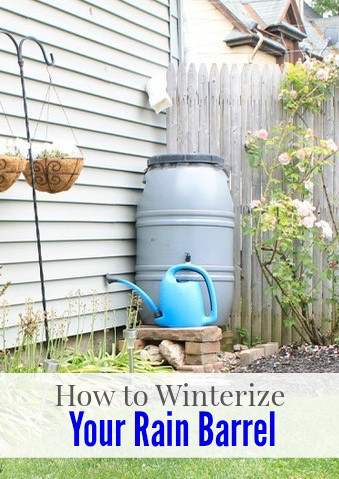
How to Winterize Your Rain Barrel

How to Winterize Your Rain Barrel

Hello friends. It’s Jessica, from Decor Adventures with some easy tips to get your home ready for the cooler months ahead. I’ll show you how to winterize your rain barrel, which goes perfectly with Brittany’s recent guides on ways you can keep your home warm this winter and how to protect pipes from freezing.

Rain barrels have been growing in popularity and are now a common way to save money on water use for your landscaping. They are also great for corralling water way from certain areas of your property. If you have been looking for a rain barrel, check the local environmental non-profit organizations in your area. They often sell them at a discount.

Now that winter is approaching, those barrels must get properly put away so they can last for many years to come.  We’ve been using our barrel for five years to collect water from the 1-car garage and help water the garden all summer long.

How to Winterize Your Rain Barrel

Here are a few tips on how to winterize your rain barrel:

Connection of a rain barrel to the gutters of a building can be via a few methods:

  • Gutter diverter – an attachment you can connect to a downspout to easily close off the water supply to the barrel and return it to a straight downspout once you aren’t using the barrel over the winter or when it gets full.
  • Flexible gutter – connects the downspout from the gutters on the garage to the rain barrel. These are also called flex-a-spout or vinyl elbow at the home improvement store and are very handy for diverting water in a non-straight path.

Read more

11 Ways to Keep Your Home Warmer | Pretty Handy Girl

11 Ways to Keep Your Home Warmer This Winter | Pretty Handy Girl

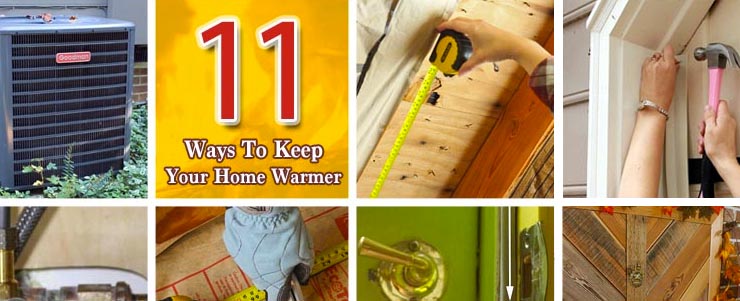
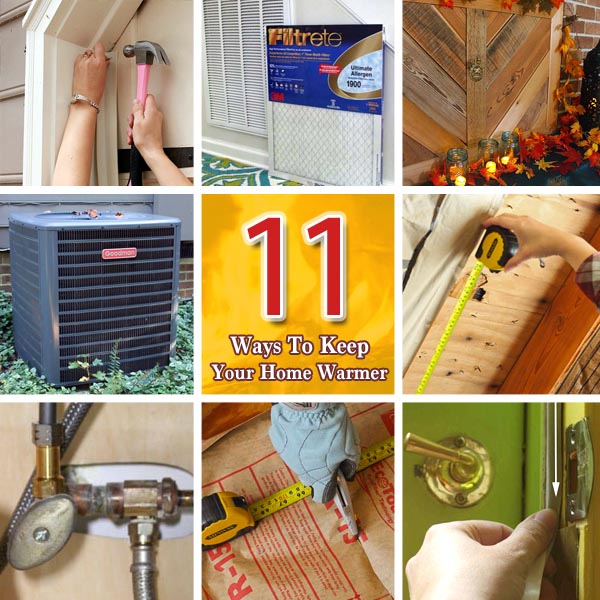
That bugger, Old Man Winter is peeking around the corner. He’s ready to put the chill in your bones and push drafts through every little crack in your home. But, you can be ready for him with these 11 Ways to Keep Your Home Warmer this Winter. Is your home truly as energy efficient and secure from drafts as you think it is? Here are 11 Ways to Keep Your Home Warmer this Winter! And, not one of them involves raising the thermostat! Click on the links to be taken to a more detailed tutorial.

Adding Foam Weatherstripping | Pretty Handy Girl

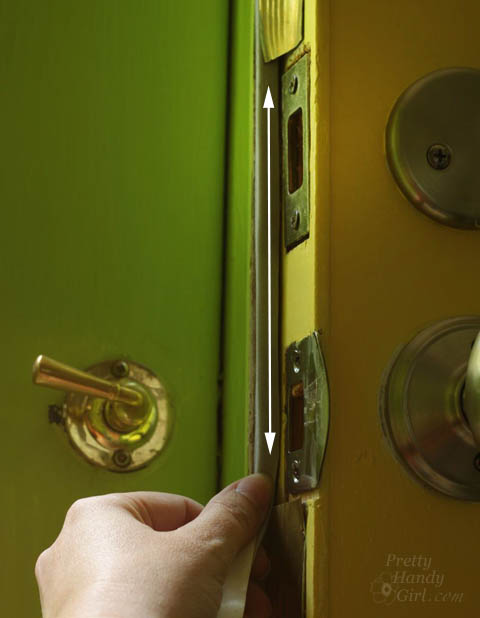
Weatherstrip Your Doors and Windows


Protect Spigot from Frozen Burst Pipes | Pretty Handy Girl
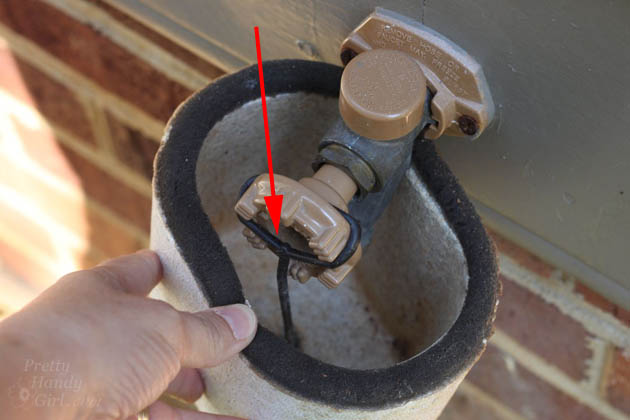
Protect Your Spigots


Is Your HVAC Choking? | Pretty Handy Girl

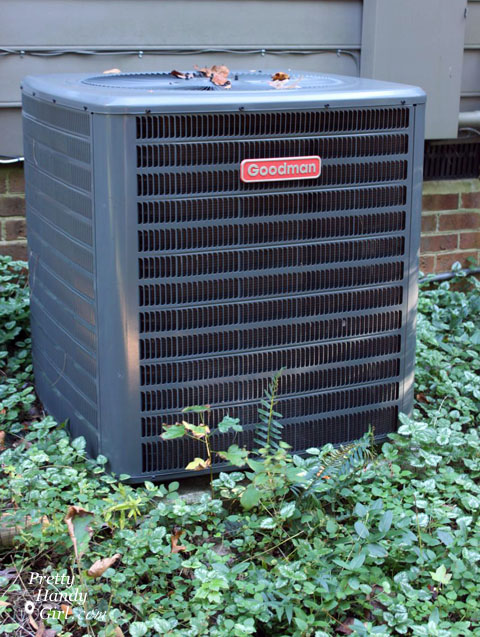
Make Sure Your Heat Pump is Working at Full Capacity Read more

How to Protect Your Pipes from Freezing | Pretty Handy Girl

Protect Water Pipes from Freezing | Pretty Handy Girl

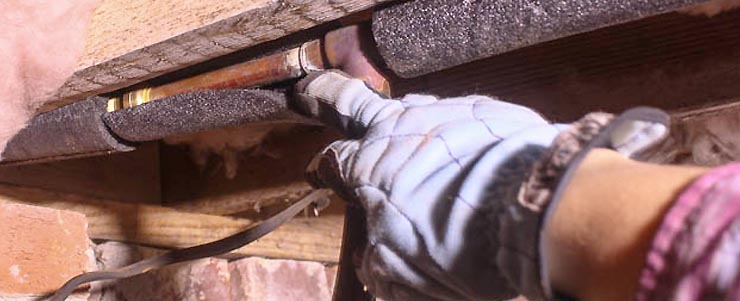
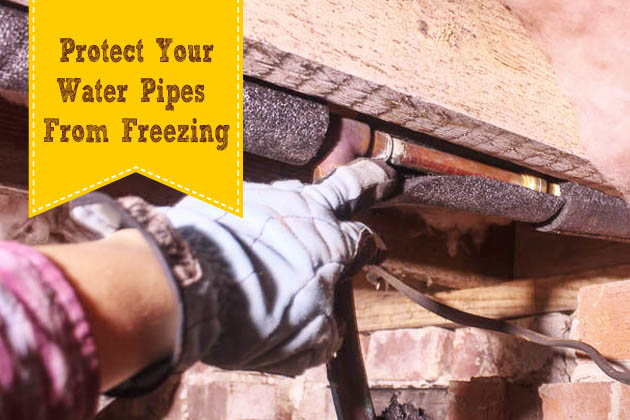
In the same vein as Monday’s post about adding insulation, let’s continue preparing for winter. While you are under the house looking at insulation, take notice of your water pipes. Are they insulated too? If not, it’s important to protect your water pipes with foam insulation to prevent them from freezing.  Here in North Carolina, we’ve been experiencing more winters with temperatures dipping below freezing and sometimes in the single digits.

Having a water pipe freeze and burst is not a disaster I wish to experience. Water leaks, mold, termite damage and asbestos are plenty of experiences for one handy girl. Given my experience with water leaks, I will do everything I can to prevent future leaks (including installing water leak detectors.)

Ready to learn How to Protect Water Pipes from Freezing? This is one of the easiest tutorials I’ve written. Honest.

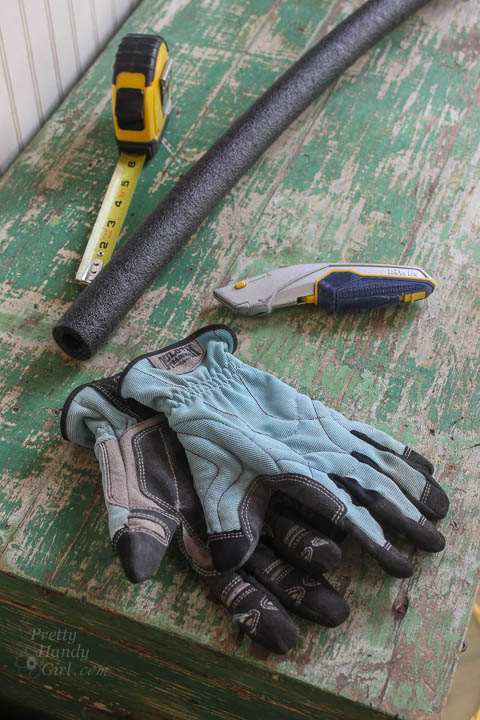
Materials:
(contains affiliate links)

Protect Water Pipes from Freezing | Pretty Handy Girl

Instructions:

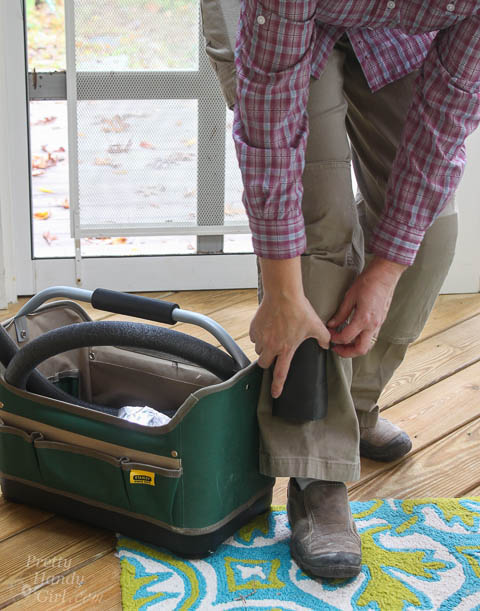
If you are venturing into the crawlspace, protect your knees. As a brand ambassador for Duluth Trading Company, I was overjoyed to try these Duluth Trading Company cargo pants with knee pad sleeves. They are now my favorite work pants and I wear them with the inserted knee pads anytime I have to go under the house.

Protect Water Pipes from Freezing | Pretty Handy Girl

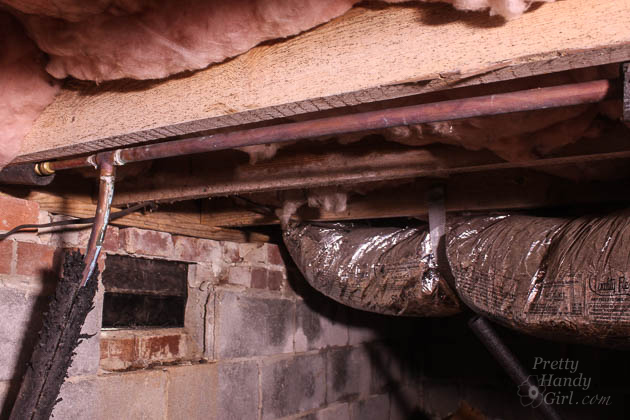
Locate any unprotected water pipes (look for copper, white, red, blue or gray pipes about 3/4 – 1 inch in diameter).

Protect Water Pipes from Freezing | Pretty Handy Girl

Measure the length of the exposed pipe. Read more