
STOP! Don’t Put Replacement Windows in Your Home before Reading This
The $20,000 Window Secret: What Those Window Suppliers Won’t Tell You
Hello, homeowners! Today, I’m putting on my general contractor hat to talk to you about a topic that often gets me into a “heated” discussion: replacement windows. By the end of this, I promise to shed some “light” on the situation—and I might just save you a fortune. Seriously, I recently saved my neighbor $20,000 by stopping her from making a major mistake. After all, replacing windows is a significant investment, depending on the number of windows needing replacement. Want to learn more? Great, keep reading.
The Four Questions You Must Ask First
I was chatting with that neighbor recently about her upcoming home projects. When she mentioned replacing all her original windows, I had to fight the urge to yell “Noooooo!” in slow motion. Instead, I asked her four simple questions:
- Are your windows rotting beyond repair? (If yes, it’s truly time for a change.)
- Can you actually open and close them? (If they’re just stuck, I can help you free them from years of old paint.)
- Are they drafty? (If yes, high-quality storm windows might be the answer.)
- Why, exactly, do you want to replace them? The answer to number four is usually the same: the promise of lower heating and cooling bills. But before you drop five figures on new glass, let’s learn about the “hidden” side of replacement windows.
The Myth of the “Energy Savings” Payback
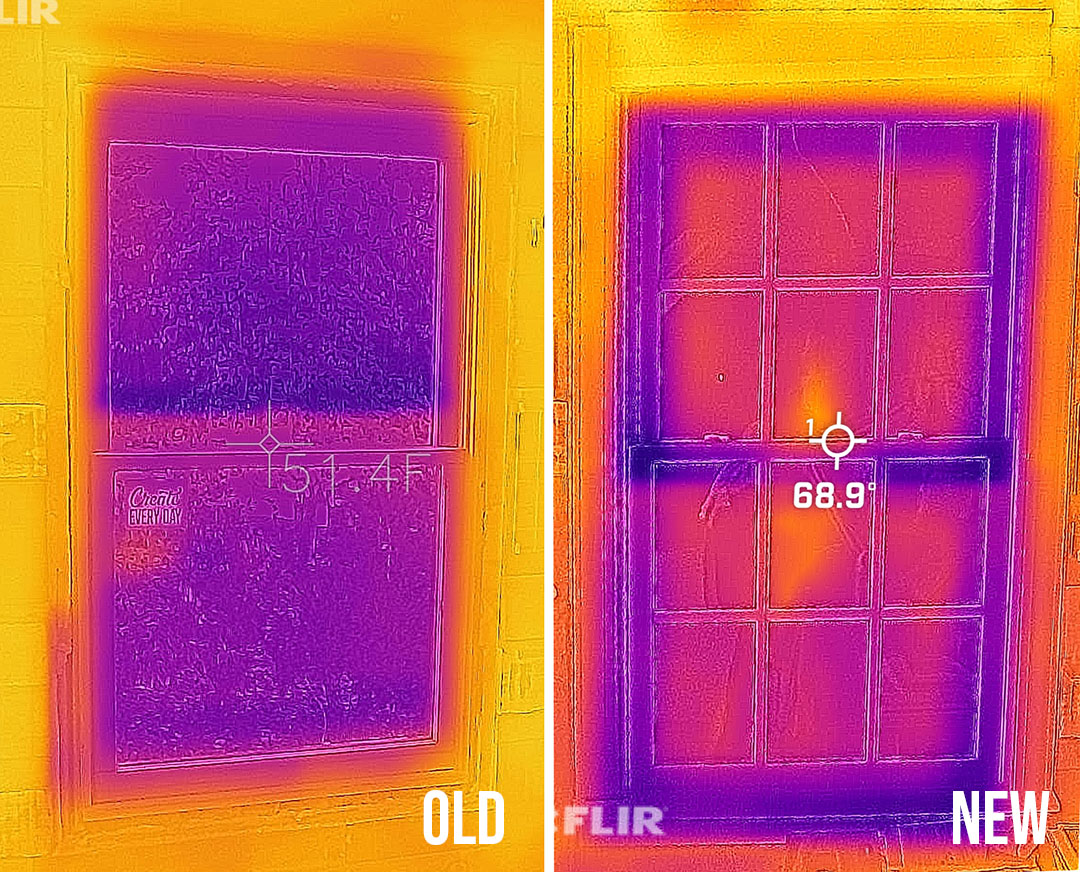
The window industry has done an incredible job of making us believe old windows are “energy hogs.” While new windows will help improve your energy bills to some extent, windows are the least insulated parts of your home, and here is the secret: All windows are energy hogs!
Independent data from the Department of Energy and Consumer Reports tells a very different story than the sales brochures from window replacement companies:
The Lifespan Gap: Most modern windows last 20–30 years. This means they often fail and need replacing again before they’ve even “paid for themselves” in utility savings. This means the best windows may be the old single pane windows you already have.
The Payback Period: New windows can take 20 to 60+ years to pay for themselves through energy costs. A window replacement project may address some drafty windows, but it’s going to take a big hit on your finances.
Lifespan of a Modern Window:
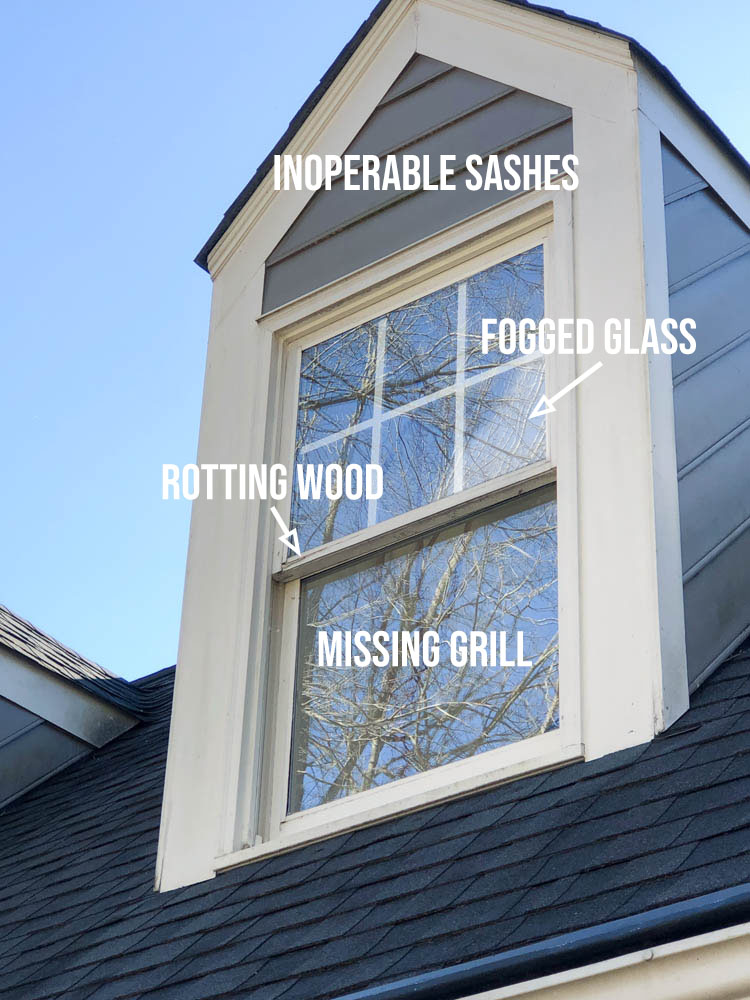
Typically at 20-30 years, double (or triple) pane windows will reach the end of their lifespan. Sadly, unlike single pane windows, they can’t be fixed. Regardless of the frame’s material, the window is often considered “at the end of its life” when these issues occur:
Seal Failure: This is the most common issue for double-pane windows. When the seal breaks, moisture gets between the glass (fogging), and the insulating argon gas escapes.
Warping: In cheap vinyl or poorly maintained wood, the frame can warp, making the window difficult to open, close, or lock securely.
Drafts: Improper installation and insulation can lead to cold drafts and heat loss. As a house settles or materials degrade, gaps can form between the insert and the original frame, leading to drafts.
If you’re concerned about energy savings and the environment impact, it’s important to recognize that replacement windows are not an eco-friendly choice. Your old windows will likely be added to the landfill. The manufacturing and installation processes of new windows contribute to carbon emissions and waste. Remember that the greenest option is to maintain and repair your existing windows.
What About Increasing the Value of Your Home?
While new windows increase value, the Return on Investment (ROI) isn’t always the best. According to the Journal of Light Construction these are the returns on your investment you can expect from some common home improvement projects:
New Garage Door: 268% cost recouped.
Minor Kitchen Remodel: 113% cost recouped.
Window Replacement ROI: 70–76% cost recouped.
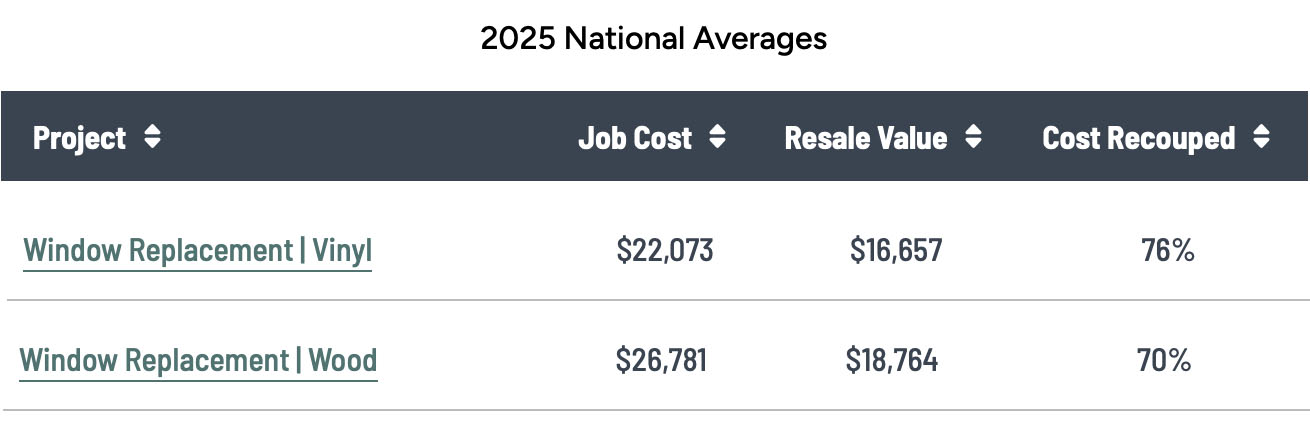
It’s always recommended to weigh the potential financial benefits against your specific circumstances and consult with a real estate professional to understand the market conditions in your area.
The Truth About Replacement Windows:
If you are still considering replacement windows, let’s chat about how they will impact your home’s appearance inside and out.
Change of Appearance to Your Home:
Every home has its unique character and architectural style. Unfortunately, replacement windows may not always blend with the original design and will negatively affect your home’s curb appeal.

Modern window styles and sizes might clash with the overall aesthetic of your home, potentially diminishing their charm and character. To maintain the architectural integrity of your home, you may need to consider new construction or sash replacement windows (keep reading to learn more). And of course you will need to check if you live in a historic preservation house requiring approval before investing in new windows.
Can You Spot the Replacement Windows?
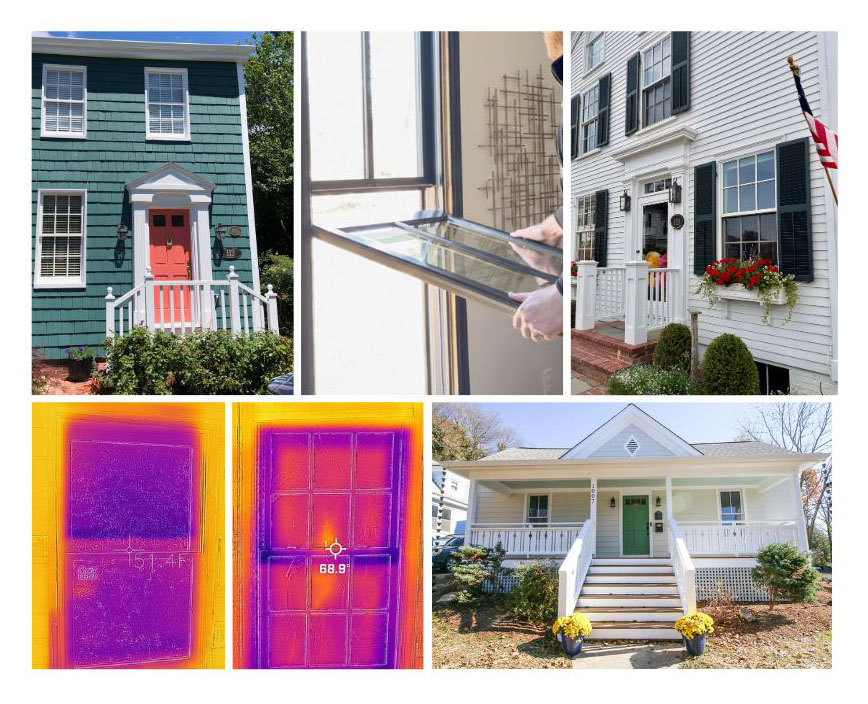
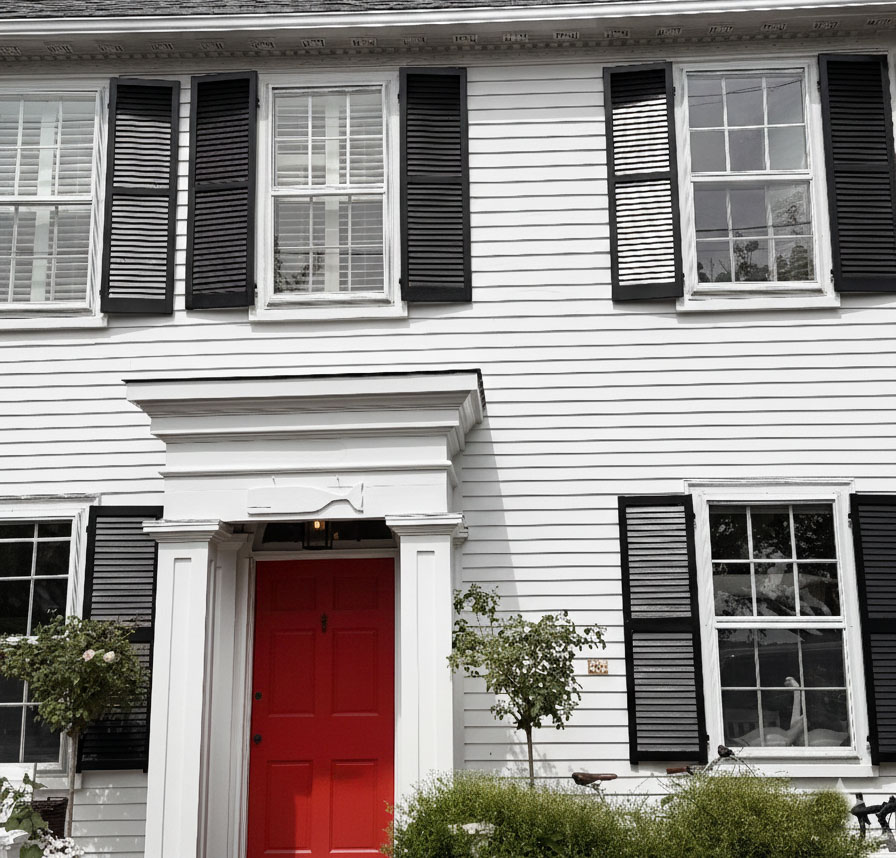
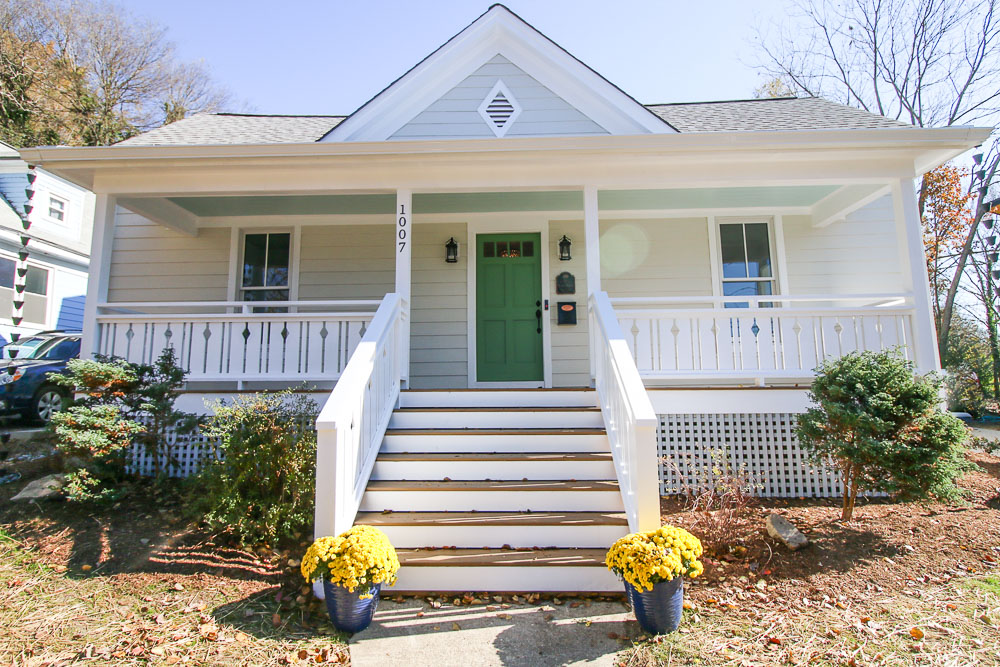
To get a good understanding of how replacement windows change the look on a house, take a peak at these three traditional houses. One has the original windows and two have replacement windows. See if you can tell the difference.
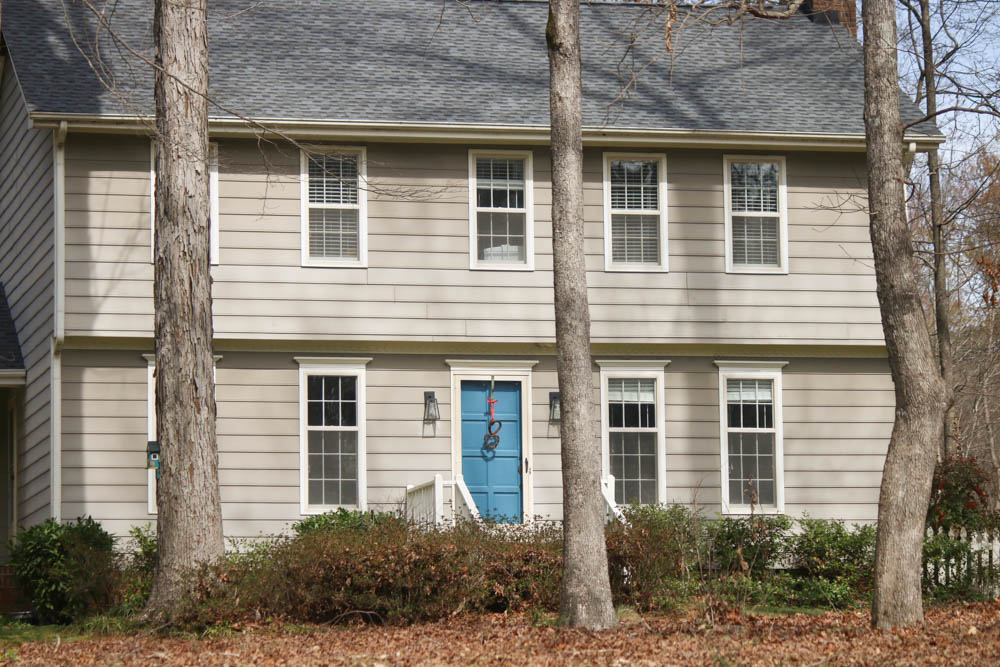
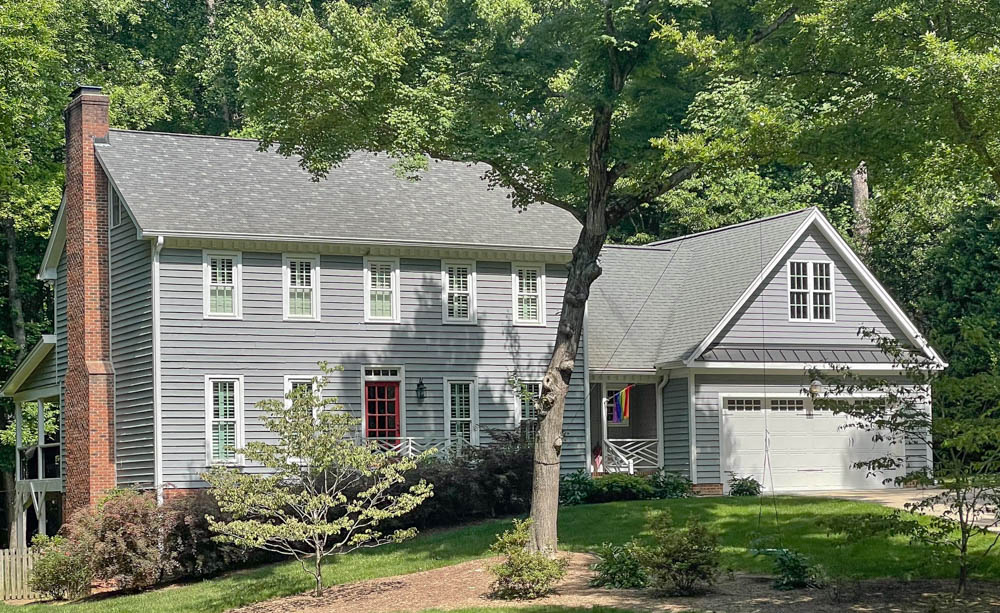
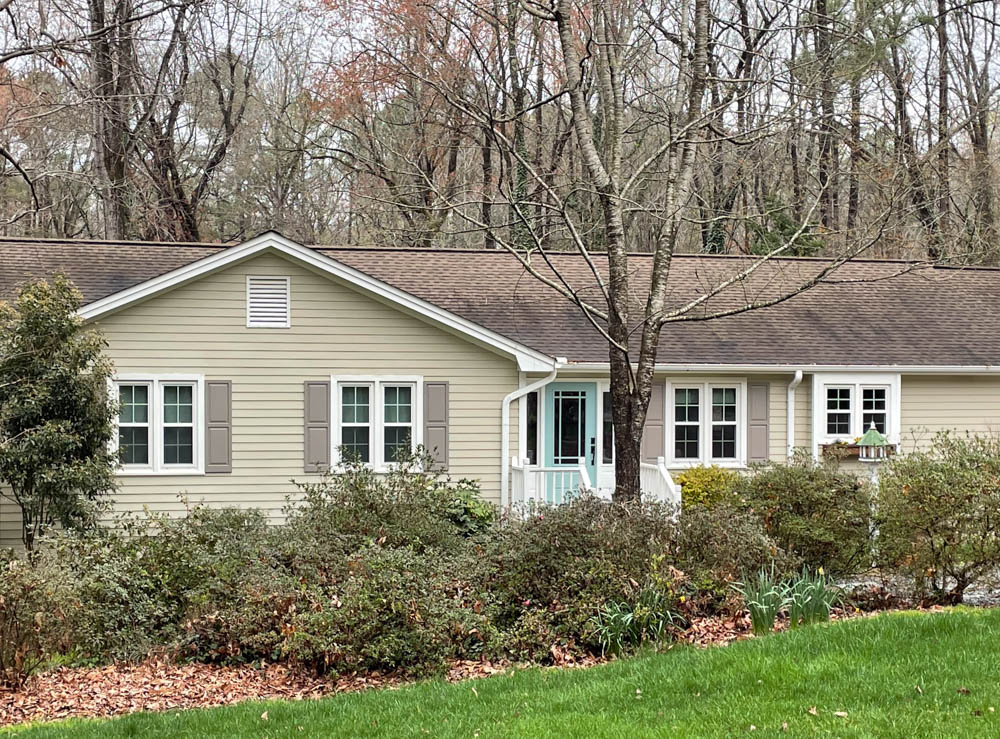
If you guessed that the first house has original windows, you are correct. Now that you’ve seen the visual difference, let’s chat about how those replacement windows might change the interior of your home.
Loss of Light
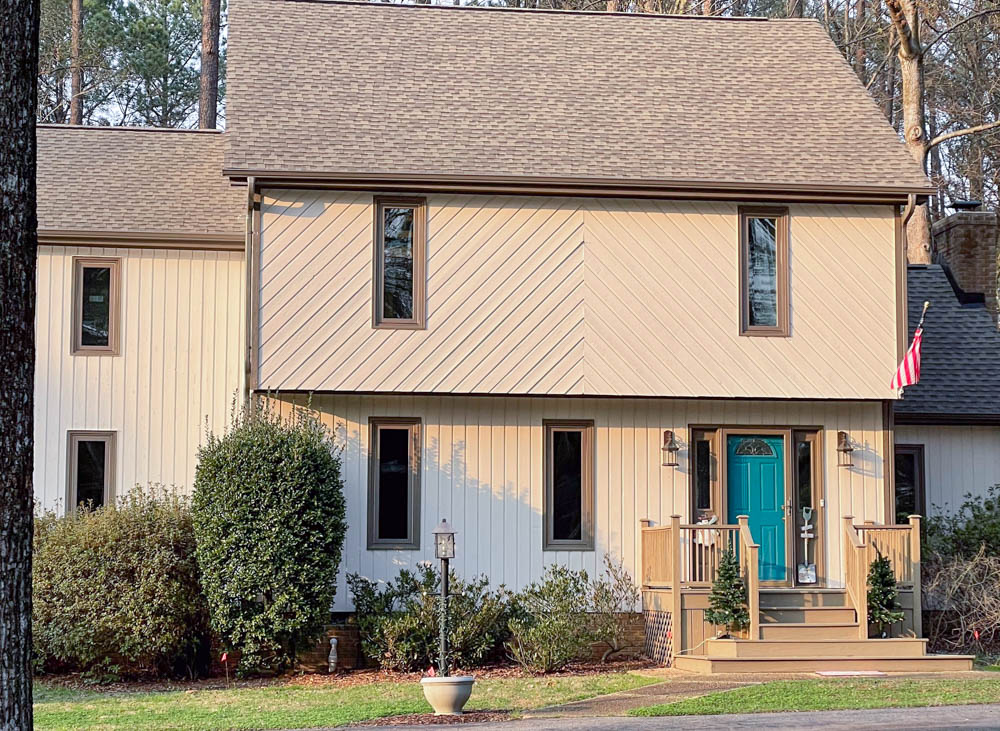
Did you know that replacement windows can reduce the amount of natural light that enters your home? Because replacement windows sit inside the original window frame and casing, the glazing area (or glass) area is less than your original windows. If you have a big window, it may not make a huge difference. But, if you have narrow windows or a dark house you might notice a big difference. (Scroll down to watch the video where I talk more about the difference between replacement, new construction, and original windows.)
The Low Maintenance Claim is Appealing
Usually, during that free consultation when the salesperson uses the term “maintenance free”, they are specifically talking about the frames. Here’s the difference between window frame material type:
Wood: If you replace your windows with new wood units, you are still signing up for a lifetime of staining or painting to prevent rot.
Vinyl, Fiberglass, and Aluminum: These materials won’t rot, peel, or require painting. This is the “maintenance-free” part.
But, you still need to clean the tracks, check and replace worn out caulk, lubricate metal parts, keep weep holes clear, and clean the glass panes.
IMPORTANT! Watch this Video to See the Visual Difference Between Types of Window
Here’s an important video I made showing the difference between all the different window types I discussed. By the end of the video you should be able to spot replacement windows from a mile away!
4 Ways to Upgrade Your Old Windows
When your old windows start to fail, most homeowners assume “replacement windows” are the only answer. However, depending on your budget, the style of your home, and how much light you want, you actually have four distinct options to take if you have older windows.
1. Repair or Add Storm Windows
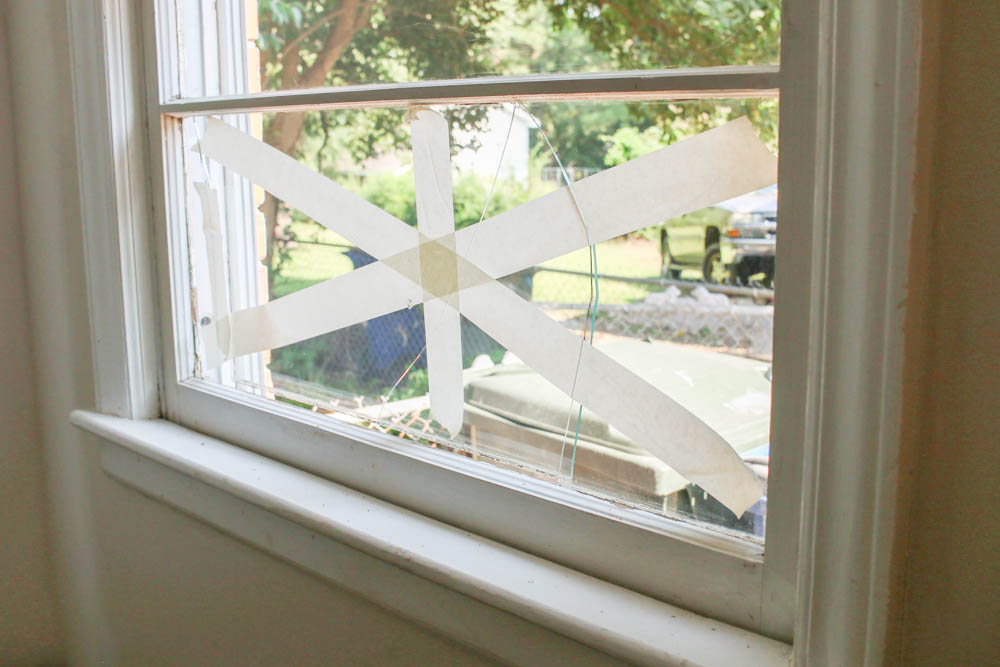
Single pane windows were designed to last the lifetime of your home if they are maintained. Rather than replacing them entirely. Regular maintenance, such as weatherstripping and caulking, can significantly improve energy efficiency without the need for complete replacements. Plus, reglazing and painting can improve the look of your windows and prevent them from deteriorating.
To make them more energy efficient, add high-quality storm windows. This setup can be nearly as energy-efficient as modern construction at a fraction of the cost.
2. Replacement Windows (Insert Windows)
The most popular choice of window installers are replacement windows. And for good reason: they are quick to install and don’t require messing with your interior trim during the installation process. These units slide right into your existing frames (after careful measurements and ordering the window units)
The Catch: Because they sit inside your old frame, the window unit is “chunkier”, meaning you lose several inches of glass and natural light.
Lifespan: Not all replacement windows are the same quality. And depending on material (and window installation) replacement windows may fail within anywhere from 15-30 years (potentially less time if not installed correctly.)
Expected Lifespan of a Replacement Window
| Material Type | Average Lifespan | Variables Affecting Longevity |
| Vinyl Windows | 20-40 years | High-quality vinyl resists warping, but extreme heat or UV exposure can cause low-grade vinyl to crack or discolor sooner (sometimes as early as 10-15 years). |
| Wood Windows | 15 – 30 years | Extremely durable but high-maintenance. If regularly painted/sealed, they can last 50+ years; if neglected, they can rot in under 20 years. |
| Fiberglass Windows | 30 – 50 years | The most durable option. It doesn’t expand or contract like vinyl, which helps the seals stay intact much longer. |
| Aluminum Windows | 20 – 30 years | Very strong and resists rot, but prone to corrosion (especially in coastal areas) and seal failure over time. |
3. New Construction Windows
Unlike inserts, these are installed directly into the house’s rough framing. While they require removing the trim and involve more labor, the benefits can be significant:
Better Insulation: You can properly flash and foam around the window frames to stop drafts during professional installation.
Maximum Light: They look more like original windows and don’t sacrifice light by having a bigger glass surface area.
I have an entire tutorial showing the process of installing a new construction window on a new house, but the process is similar for an old house with the exception of needing to remove the existing trim and potentially cutting the siding depending on how big the new window is.
4. Sash Replacements

This is a great middle-ground option where you only replace the moving parts (the sashes) of the window. It’s a less messy process that doesn’t damage walls or casing and maintains your original light levels. New sashes also address inoperable windows that were stuck or tough to open.
The downside is they won’t fix any energy loss around the window frame (if there is some.)
Conclusion
Upgrading your windows is a major home investment, but it isn’t a one-size-fits-all solution. While replacement windows are a popular fix for broken seals and drafts, they aren’t your only product options—and they aren’t always the best one. As we’ve seen, the high upfront costs and long “payback” periods mean that windows rarely pay for themselves through energy savings alone. Furthermore, the “chunky” frames of insert windows can cost you inches of precious natural light.
Before you commit, evaluate what matters most to you: Is it the quick convenience of an insert, the superior insulation and maximum light of a new construction window, or the historic charm and cost-savings of repairing your original windows? Remember, sometimes the best window is a well-maintained one. Whether you choose to DIY a sash replacement or go for a full frame-out install, make sure you’re choosing the path that preserves the character, comfort, and light of your home.
It’s also important to choose a contractor that will give you a proper installation to truly achieve energy-efficient windows. I have a very popular article on how to choose great contractors and prevent yourself from being a victim. It will take you through the important steps when hiring a contractor to work on your home.

I hope this guide helps you navigate the sales pitches and find the perfect window solution for your house!

More Window Resources:
How to Install a New Construction Window
How to Add Privacy Film to Any Window
How to Install Traditional Window Trim or How to Install Decorative Window Casing
How to Clean Your Windows Like a Pro
Things to Consider When Choosing New Windows
Questions?
As a licensed general contractor, I love to help people make smart decisions on their home improvement projects. Feel free to ask me any questions you have in the comments.
Pin this image for future reference:


Leave a Reply
Want to join the discussion?Feel free to contribute!