Toilet Repairs Replacing the Overflow Tube and Flapper

I’ve received a few emails and comments letting me know that some of you are going to try to repair your toilets! I just wanted to say, way to go! Plus, some of you had a few questions for me as well.

Here are the questions:

1. Our 1/2 bath toilet seems to chronically clog. We use enzyme stuff to clear it but it just clogs again the next time someone does anything substantial in it. It’s annoying. Any tips?

A. Adjust the amount of water in the tank so it will give more H20 to flush (as shown at the end of Toilet Repairs Part 2). Or use a good accordian style plunger:
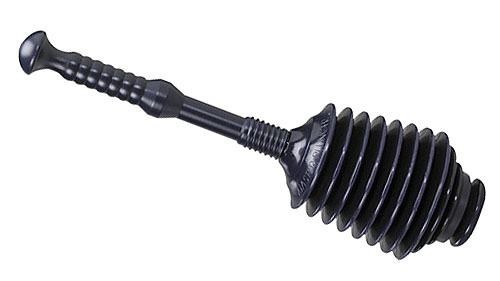
Toilet Repairs Replacing the Overflow Tube and Flapper

If all else fails, you may have a clog and need to snake your toilet out. I’ve seen some snakes that attach to a drill.
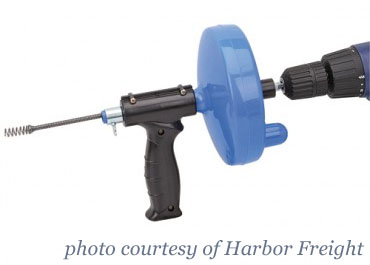
Toilet Repairs Replacing the Overflow Tube and Flapper

Just be careful you don’t scratch the bottom of your toilet bowl when snaking it.

2. What are the symptoms for needing a new fill valve? On ours, you have to push the flush handle down really hard and hold it… or it won’t flush at all on first flush sometimes. Thanks for the great tutorials!

A. It sounds like you either need a new flapper or you might try tightening the chain between the flapper and the lever rod. If you need to replace the flapper, you should probably replace the entire overflow tube/flapper assembly.

And that leads me to today’s tutorial!

How to replace the overflow tube and flapper:

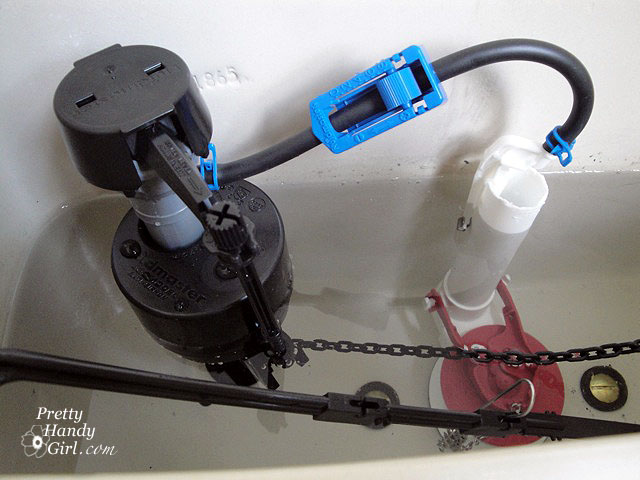
In review, here is what your toilet tank parts are:

Toilet Repairs Replacing the Overflow Tube and Flapper

And here is the kit I recommend you purchase (costs about $20):
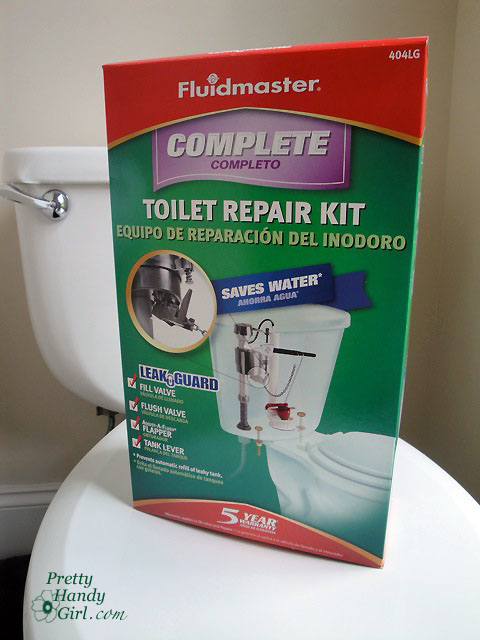
Toilet Repairs Replacing the Overflow Tube and Flapper

And here are the tools you will need:
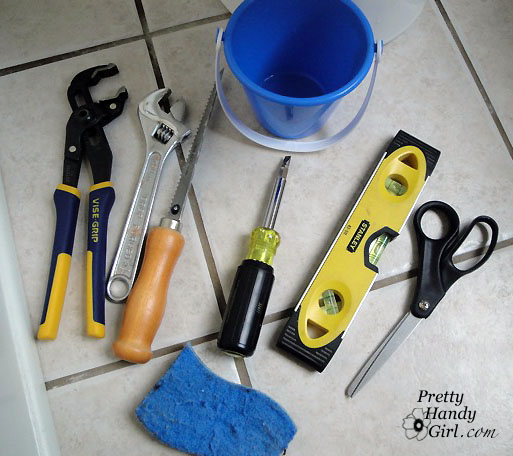
Toilet Repairs Replacing the Overflow Tube and Flapper

  • Plumber’s Wrench (must have a wide mouth opening. The Irwin pliers shown have just enough of an opening to work)
  • Adjustable Crescent Wrench
  • Handsaw (drywall, coping or hack saw will work. Needs to cut through PVC)
  • Flat head screwdriver
  • Level
  • Scissors
  • Bucket or basin
  • Sponge
  • Rags or Towels
  • Rubber Gloves

Disclaimer: This tutorial is a general overview of replacing an overflow tube and flapper in your toilet tank. Be sure to follow the directions that come with your toilet parts as there may be changes or additional steps.

If you haven’t done so already, start by turning off the water. There should be a water shut off valve in the wall behind your toilet. Gently turn the knob clockwise to shut the valve.
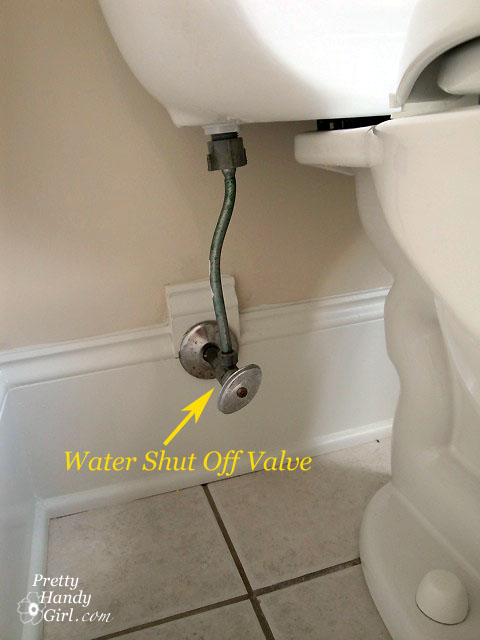
Toilet Repairs Replacing the Overflow Tube and Flapper

Next, flush your toilet to drain the water from the tank. If your tank re-fills the water is not completely shut off.
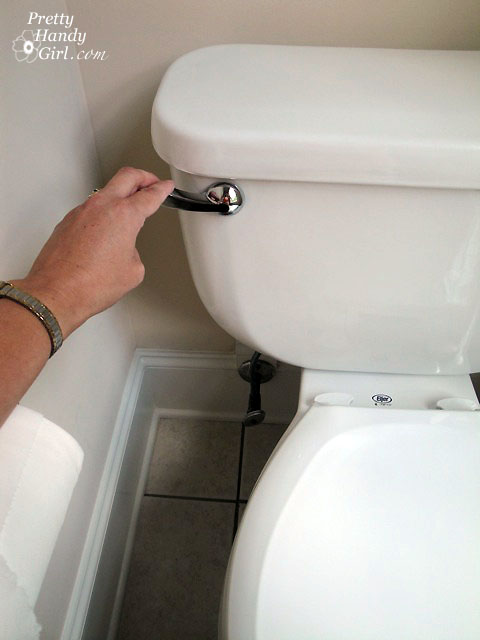
Toilet Repairs Replacing the Overflow Tube and Flapper

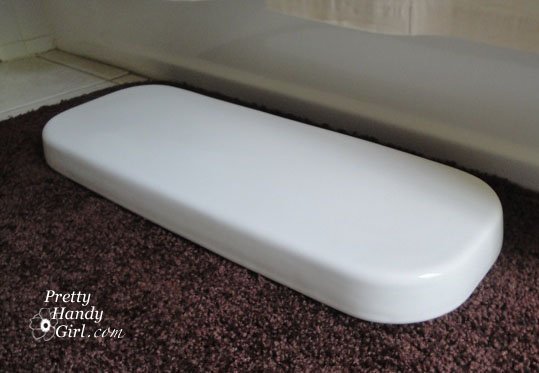
Remove the lid to your tank. Set it in a safe place where it can’t get dropped and broken.

Toilet Repairs Replacing the Overflow Tube and Flapper

If there is still a lot of water in the bottom of the tank. Lift the flapper chain to drain the tank to the top of the flapper.

Toilet Repairs Replacing the Overflow Tube and Flapper

Use a sponge to completely soak up all the water remaining in the tank.

Toilet Repairs Replacing the Overflow Tube and Flapper

Once the tank is completely empty we can start to remove the overflow tube and flapper. But, first you need to disconnect the water supply tube. Because TODAY we are going to take the entire tank off! Don’t be freaked out, you can do this. It is just like unscrewing the screws and removing a light switch cover (only it weighs a lot more.)

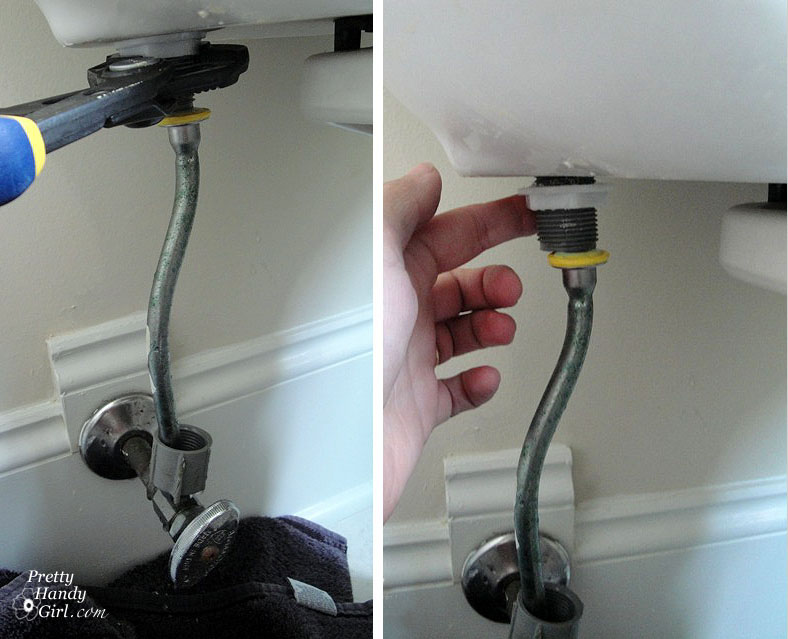
Look underneath the tank to see where the water line feeds into the tank. Using pliers, loosen and then remove the coupling nut from the supply line.

One quick note about supply lines: If your toilet has a plastic or rubber supply line, you should consider replacing it with a braided metal supply line that is less prone to breaking or leaks (in other words they can cause a major flood!) The same advice applies to the water lines under your sink and definitely your clothes washer.

Toilet Repairs Replacing the Overflow Tube and Flapper

Place the basin or bucket underneath the supply line and gently remove the line from the bottom of the fill valve (gray threaded stem shown below.)


Toilet Repairs Replacing the Overflow Tube and Flapper

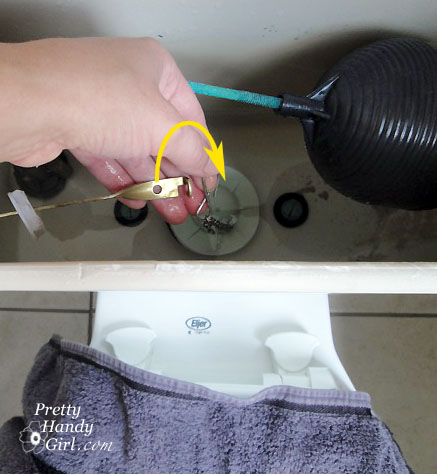
Detach the chain from the lever rod inside the tank.

Toilet Repairs Replacing the Overflow Tube and Flapper

Remove the rubber gasket by lifting up the sides of the flaps. If your gasket is attached a different way, don’t worry about it, just leave it attached.

Toilet Repairs Replacing the Overflow Tube and Flapper

Disconnect the water refill hose from the overflow tube by sliding the anchor hook up and off the overflow.

Toilet Repairs Replacing the Overflow Tube and Flapper

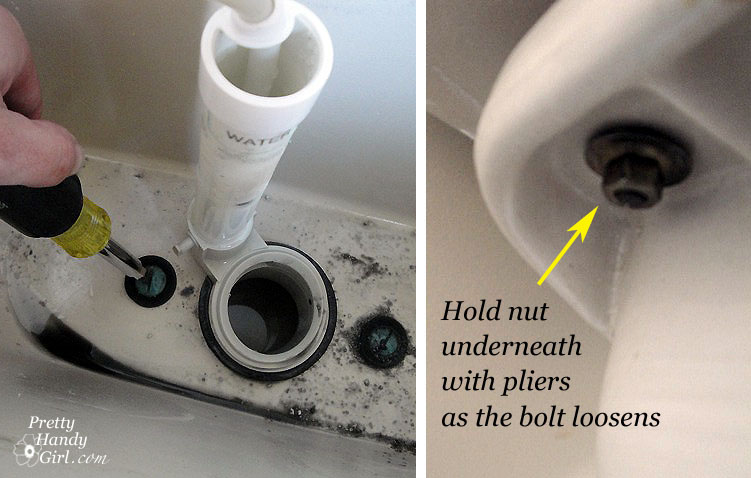
Use your flat head screwdriver to lose the bolts at the bottom of the tank (on either side of the flapper.) You may need to reach underneath and hold the nut (or wing nut) with pliers as the bolt begins to loosen.

Toilet Repairs Replacing the Overflow Tube and Flapper

Toilet Repairs Replacing the Overflow Tube and Flapper

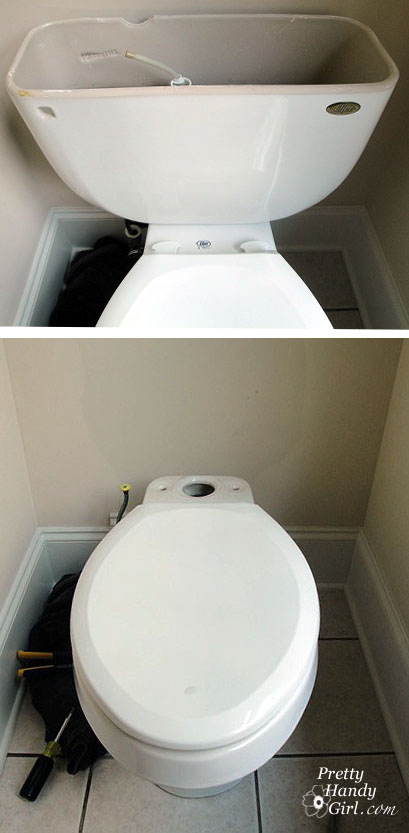
Once the nut (or wing nut) has been removed, you can now lift the tank off the toilet (using both hands.) Ask for help if you are concerned about possibly dropping the tank.

Toilet Repairs Replacing the Overflow Tube and Flapper

I recommend draping a towel over the toilet seat lid to rest the tank onto.

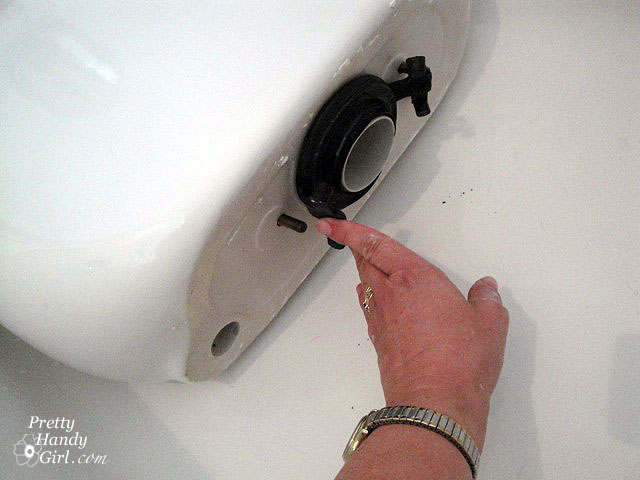
Remove the rubber gasket in the center of the underside of your tank. You may want to wear gloves (not because of germs, but because the rubber may be deteriorating and can leave black on your hands. But, come to think about it, I have two little boys and their aim isn’t exactly spot on. If you know what I mean.)

Toilet Repairs Replacing the Overflow Tube and Flapper

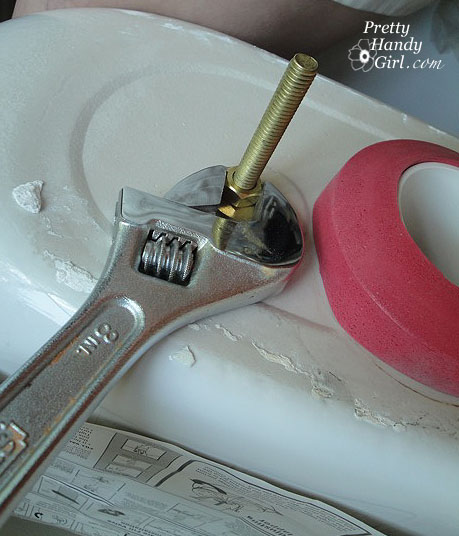
Now you need to remove the two bolts that held the tank to the toilet base. Loosen the nut with the pliers or crescent wrench.

Toilet Repairs Replacing the Overflow Tube and Flapper

Remove the nut and washer.

Toilet Repairs Replacing the Overflow Tube and Flapper

Repeat to remove the other bolt.

Toilet Repairs Replacing the Overflow Tube and Flapper

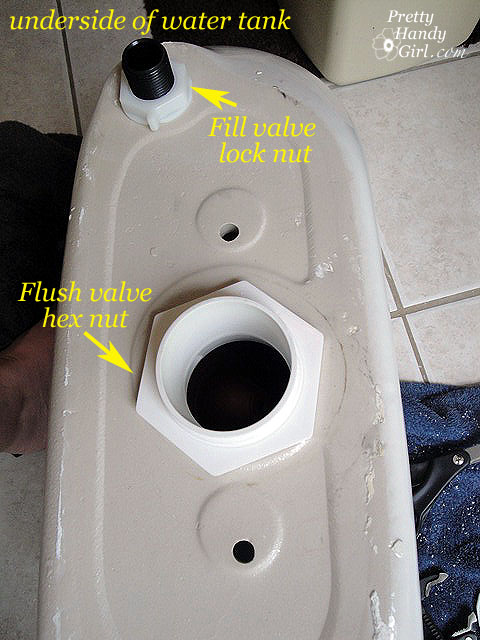
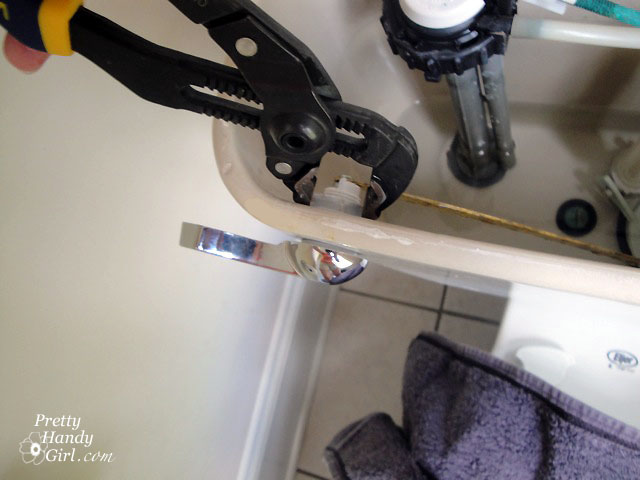
Grab the pliers and loosen the large plastic hex nut that was under the gasket. Then remove the nut. (I’m very thankful that the Irwin Adjustable Hex pliers I have worked perfectly. Otherwise, I would have had to buy a pair of plumbing pliers.)

Toilet Repairs Replacing the Overflow Tube and Flapper

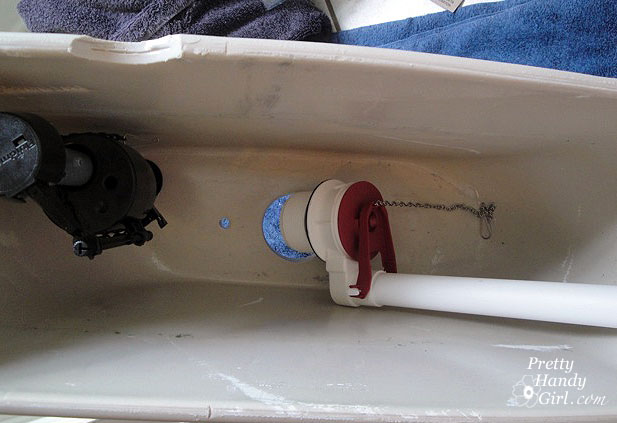
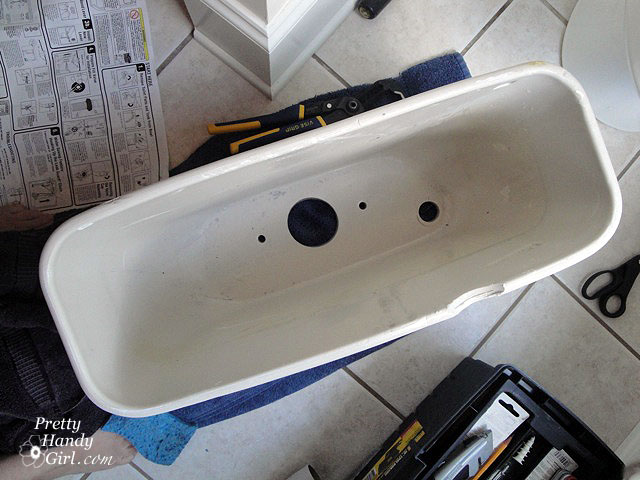
Now you can remove the overflow tube and flapper assembly from the tank.

Toilet Repairs Replacing the Overflow Tube and Flapper

If you are replacing all the parts in your tank at once, when the tank is empty is a great time to give it a good cleaning!

Toilet Repairs Replacing the Overflow Tube and Flapper

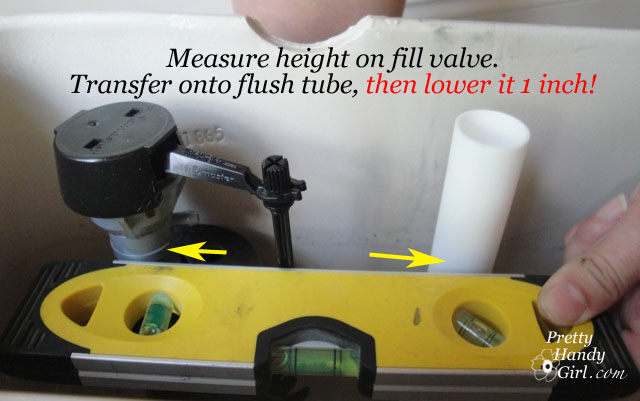
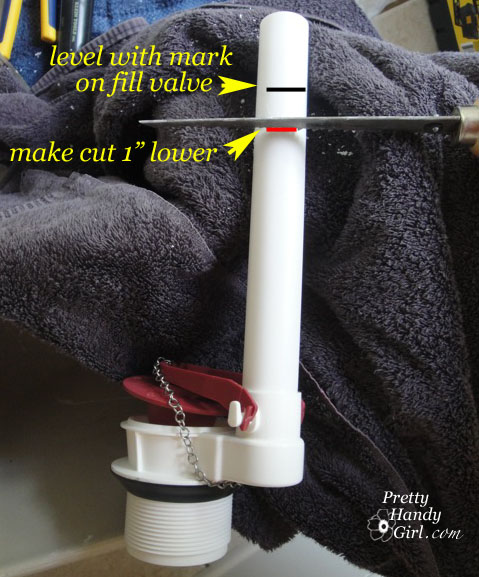
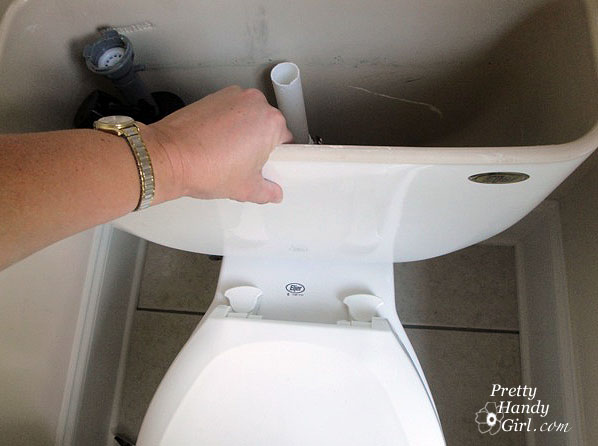
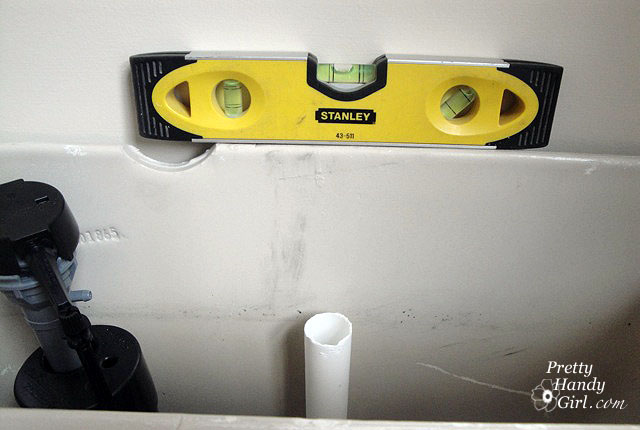
Okay, time to put Frankenstein back together again. Grab the new overflow tube and flapper assembly from your kit. Insert the new overflow tube back into the toilet tank. Make sure it is sitting flush against the bottom of the tank (you may need to tilt the tank for it to feed all the way through.) Then set your level up to the line indicated on the fill valve. Make a mark on the overflow tube one inch lower than the mark on the fill valve..

Toilet Repairs Replacing the Overflow Tube and Flapper

Cut the top of your overflow tube off using a saw. Sand any rough edges if necessary.

Toilet Repairs Replacing the Overflow Tube and Flapper

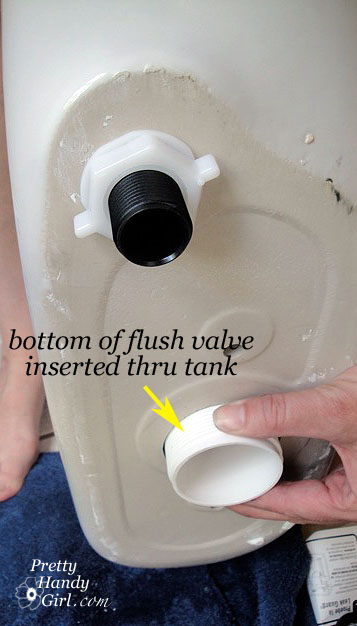
Re-insert the flush valve (overflow tube & flapper assembly) into the tank.

Toilet Repairs Replacing the Overflow Tube and Flapper

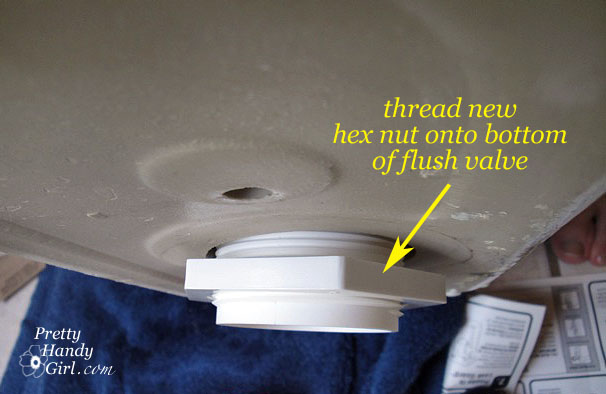
Thread the new hex nut onto the bottom of the overflow tube and hand tighten it.

Toilet Repairs Replacing the Overflow Tube and Flapper

Because I don’t possess the masculine type strength, I use my pliers to turn the hex nut another half a turn until it is snug but not tight enough to crack the tank.

Toilet Repairs Replacing the Overflow Tube and Flapper

Fit the new rubber gasket over the hex nut as shown below.

Toilet Repairs Replacing the Overflow Tube and Flapper

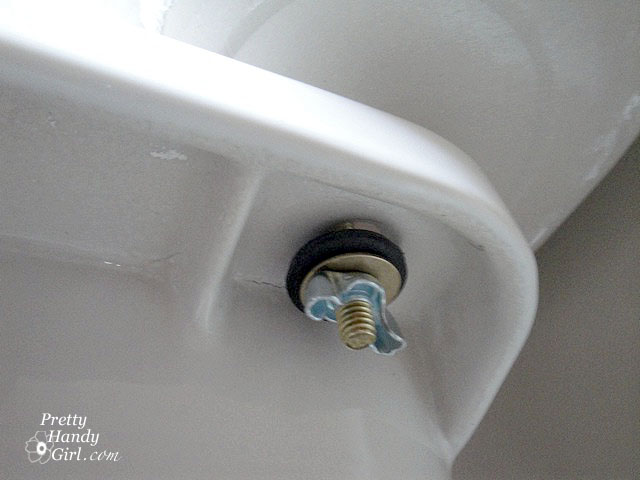
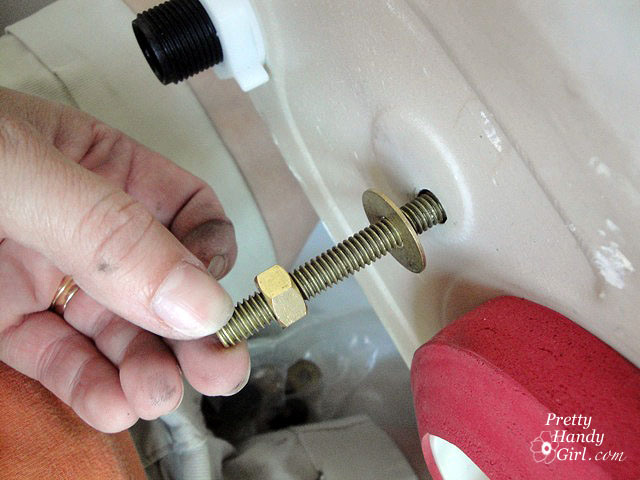
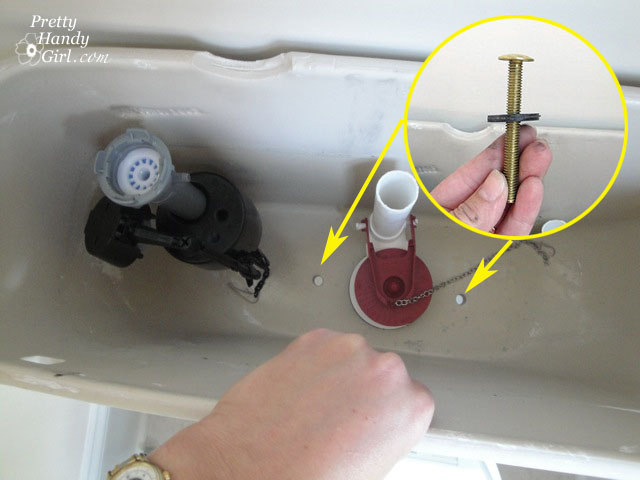
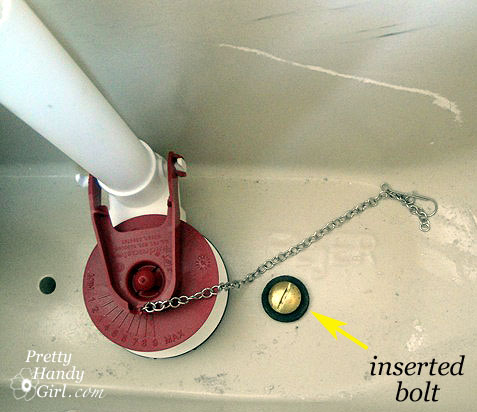
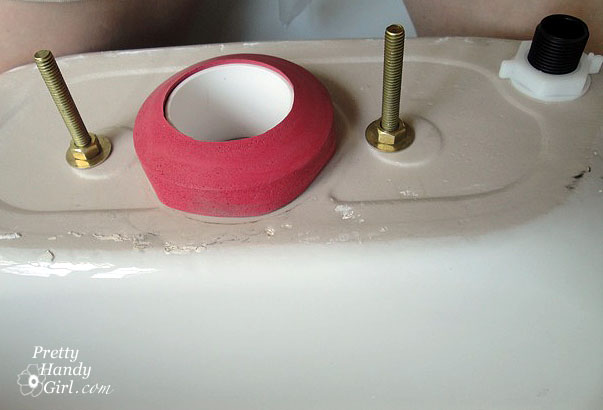
Insert two new bolts into the tank with a rubber washer just below the head of the bolt.

Toilet Repairs Replacing the Overflow Tube and Flapper

Toilet Repairs Replacing the Overflow Tube and Flapper

Thread a metal washer and a nut onto the bolts from the underside of the tank.

Toilet Repairs Replacing the Overflow Tube and Flapper

Gently tighten the nut with the crescent wrench. I can’t stress enough how important it is not to overtighten the nut. Or you will crack your toilet tank.

Toilet Repairs Replacing the Overflow Tube and Flapper

Repeat the same steps to insert the other bolt. The bottom of your tank should look like this:

Toilet Repairs Replacing the Overflow Tube and Flapper

Carefully replace the tank back onto the toilet base. Being sure to line up the bolts with the holes on the toilet.

Toilet Repairs Replacing the Overflow Tube and Flapper

Set a level on top of the tank and level it.

Toilet Repairs Replacing the Overflow Tube and Flapper

Thread the rubber washer, metal washer and then the new wing nut onto the bottom of the bolt. Tighten the wing nuts on both sides. All the while keep an eye on the tank to make sure it stays level.

Toilet Repairs Replacing the Overflow Tube and Flapper

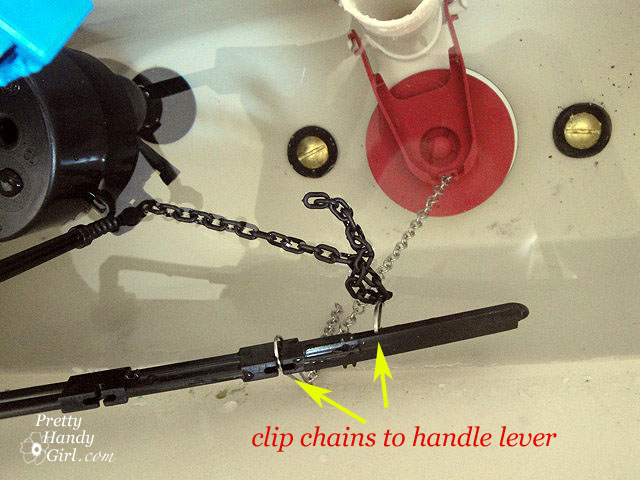
Attach the flapper chain back onto the lever rod. Make sure there is a slight amount of slack in the chain, but not too much. Trim any excess chain that hangs too close to the flapper.

Toilet Repairs Replacing the Overflow Tube and Flapper
Attach the water refill hose to the over flow tube by sliding the anchor clip back onto the overflow tube..

Toilet Repairs Replacing the Overflow Tube and Flapper

Re-attach the water supply line making sure the coupling nut is nice and snug.

Toilet Repairs Replacing the Overflow Tube and Flapper

Toilet Repairs Replacing the Overflow Tube and Flapper

Turn on the water supply to refill the tank. Test the toilet by flushing it. Make sure the flapper closes and nothing holds it open. Replace the tank lid and enjoy your fully functioning toilet!

Toilet Repairs Replacing the Overflow Tube and Flapper

Hey, thanks for sticking with me through this “ugly” but necessary tutorial series. Hopefully I haven’t scared you off (judging from the very few comments I received.) I promise I have some more “attractive” tutorials coming soon. Then you can bring back your wonderfully sweet comments.

Hey, you came back! So glad you weren’t scared off by my toilet repair post. Well, congratulations to you for sticking with me and wanting to learn how to fix your toilet.

In Part 1 we learned how to replace the flush lever. If you found it easy, I know you won’t find today’s tutorial too difficult. And then, you will certainly be able to replace the overflow tube and flapper in my next post.

In review, here is what your toilet tank parts are:

Here is the kit I recommend you purchase (costs about $20):

And here are the tools you will need:

  • Plumber’s Wrench (must have a wide mouth opening. The Irwin pliers shown have just enough of an opening to work)
  • Adjustable Crescent Wrench
  • Handsaw (drywall, coping or hack saw will work. Needs to cut through PVC)
  • Flat head screwdriver
  • Level
  • Scissors
  • Bucket or basin
  • Sponge
  • Rags or Towels
  • Rubber Gloves

Disclaimer: This tutorial is a general overview of replacing a fill valve in your toilet tank. Be sure to follow the directions that come with your toilet parts as there may be changes or additional steps.

If you haven’t done so already, start by turning off the water. There should be a water shut off valve in the wall behind your toilet. Gently turn the knob clockwise to shut the valve.

Next, flush your toilet to drain the water from the tank. If your tank re-fills the water is not completely shut off.

Remove the lid to your tank. Set it in a safe place where it can’t get dropped and broken.
If there is still a lot of water in the bottom of the tank. Lift the flapper chain to drain the tank to the top of the flapper.
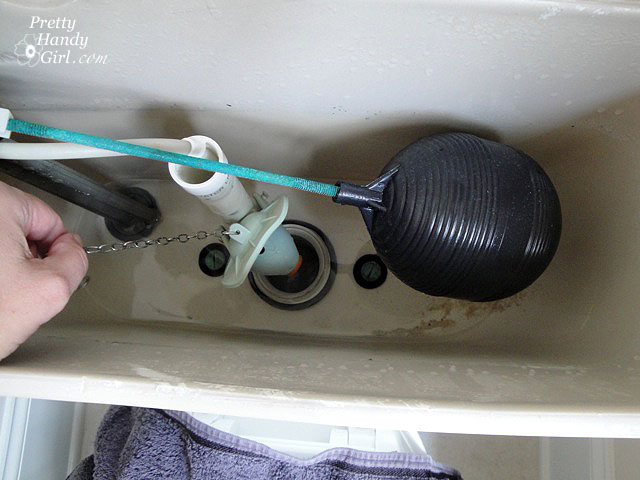
Use a sponge to completely soak up all the water remaining in the tank.

Once the tank is completely empty we can start to remove the fill valve. Look underneath the tank to see where the water line feeds into the tank. Using pliers, loosen and then remove the coupling nut from the supply line.

One quick note about supply lines: If your toilet has a plastic or rubber supply line, you should consider replacing it with a braided metal supply line that is less prone to breaking or leaks (in other words they can cause a major flood!) The same advice applies to the water lines under your sink and definitely your clothes washer.

Place the basin or bucket underneath the supply line and gently remove the line from the bottom of the fill valve (gray threaded stem shown below.)

Remove the washer holding the fill valve to the tank.

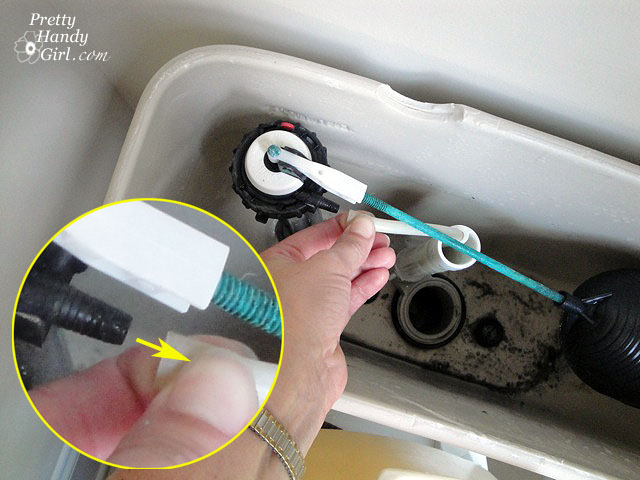
Inside the tank, locate the small rubber hose that attaches the fill valve to the overflow tube. Then disconnect the hose as shown below.

Now you should be able to lift the fill valve up and out of the tank.

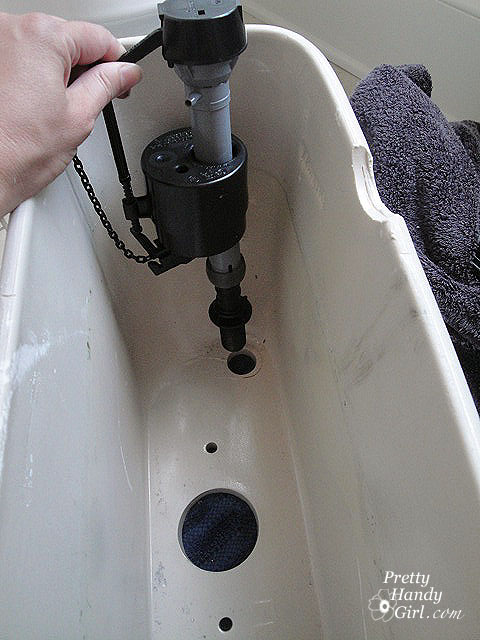
Place the new fill valve into the tank where the old one was. Notice the sleek new design, No Float Ball!

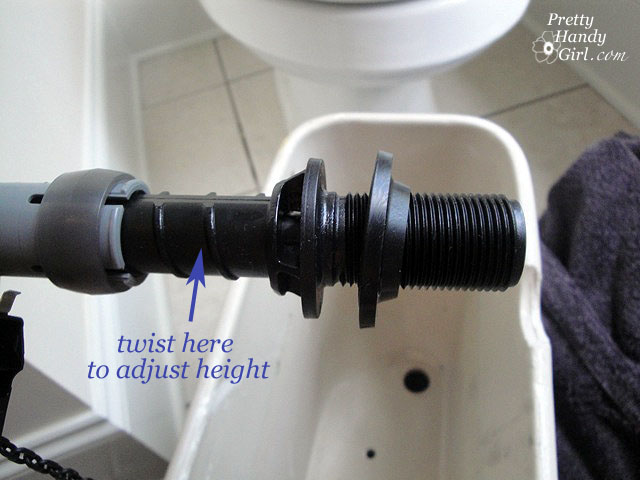
Side Note: You may need to adjust the height of the fill valve to fit in your tank.  If so, twist the top portion of the valve independent of the bottom half. (After you fill the tank, you can raise or lower the valve the same way if you need to adjust the height of the fill valve.)

Thread the new washer onto the bottom of the fill valve where it extends out the bottom of the tank.


Gently tighten the washer, but be careful not to overtighten, or you might break the tank.


Next thread the coupling nut back onto the bottom of the fill valve to secure the water line.


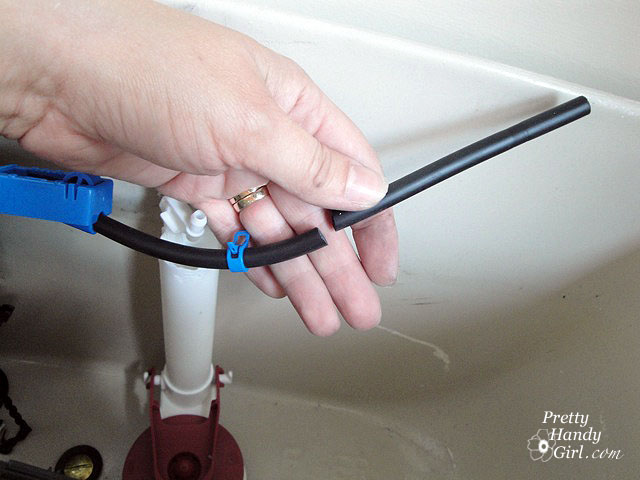
Add the fill valve water hose onto the side of the fill valve. Then measure the distance to the top of the flush valve. Leave an extra inch, and trim any excess hose.


Find the  anchor clip that attaches the hose to the overflow tube.


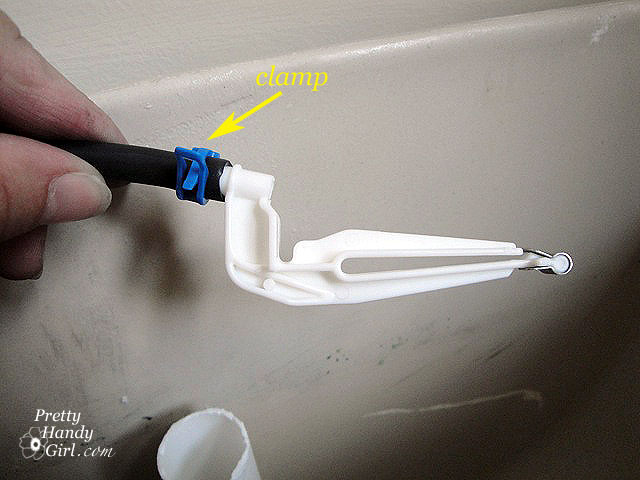
Slide the hose onto the clip and attach it with a hose clamp (if included with your kit).


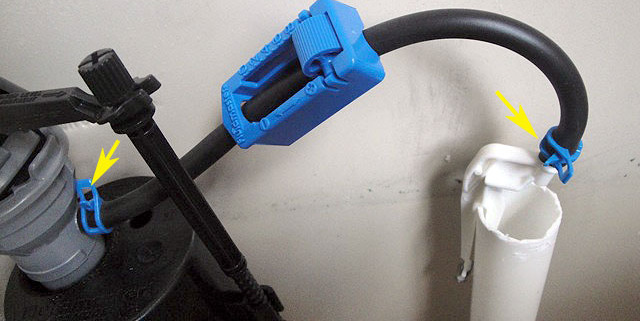
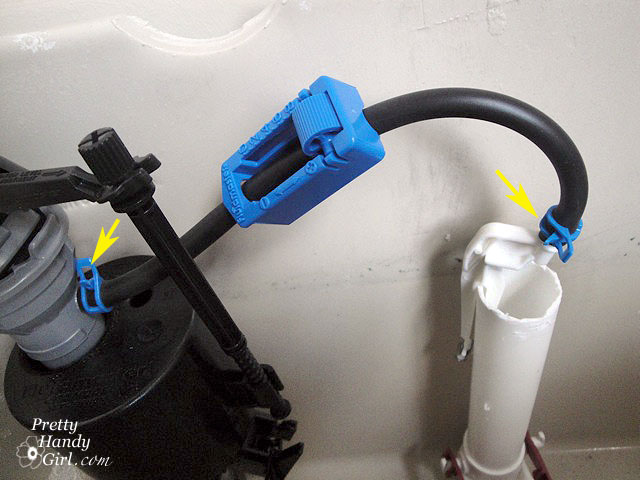
Attach another hose clamp to the end of the hose where it meets the fill valve. Slide the anchor clip onto the top of the overflow tube. The hose should be free of kinks and should arch up as shown.


Before you turn the water back on, you need to flush the fill valve to rid it of any foreign matter. Twist the top of the fill valve counter clockwise and lift up to release it.


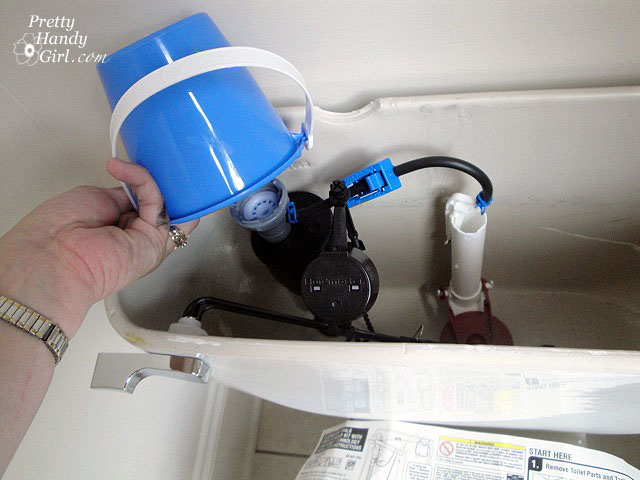
Place a bucket or cup directly over the top of the fill valve. This will re-direct the water that is going to spray straight up out of the fill valve.


Gently turn on the water supply while holding the bucket. Let it run for a few seconds, then turn it off again.


Replace the cap of the fill valve by setting the cap back on top and then twist the cap clockwise. Make sure it is on securely. Then turn the water supply back on.

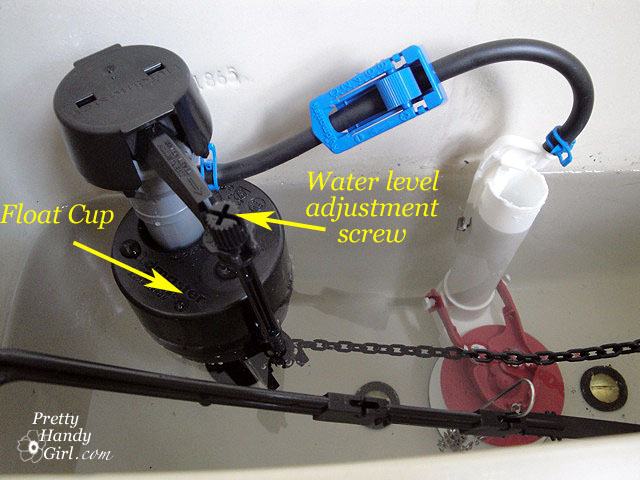
While the tank is filling, press down on the float cup until it is submerged under water for 30 seconds. Then release. Now you can adjust the water level adjustment screw until the water in the tank is about 1″ lower than the top of the overflow tube.

Test your toilet by flushing it a few times. Does it work?! Hooray! You’ve now replaced 2/3 of your toilet tank parts. Next up, how to replace the overflow tube and flapper assembly.

Today, I have Part 1 in a 3 Part Series on Toilet Repairs! Today we’ll learn How To Replace the Lever!

When visiting Scotland, we took a tour of Mary King’s Close we learned about life in Edinburgh before the toilet was invented. It was definitely not a pretty time in the city’s history. People literally dumped their pails of waste into the streets of Edinburgh and the sludge ran down the streets and into the loch (lake). They were only allowed to dump the pails early or late in the day after the street vendors were gone and the streets were less crowded. Then they opened their doors or window and threw out the sludge yelling, “gardyloo” loosely translated as “watch out for the water!” How thoughtful of them. But, people would still slip and fall in the muck coated walkways.

Back then the saying about Edinburgh was that you could smell it before you could see it.

Thank goodness the toilet was invented! Go now and hug your porcelain bowls. Okay, well you don’t have to, but be thankful for your loo.

Did you know that a leaky or malfunctioning toilet can waste as much as 200 gallons of water per day, that is over 70,000 gallons of water in a year! Yikes!

If you have a leaking toilet or one that doesn’t shut off I encourage you to fix it yourself! Yes, you can do this, no need to hire a plumber.

First, for anyone concerned about putting their hands in “crap water”, let me reassure you that all the repairs I am going to show you are in the tank and the tank holds clean water that is then used to flush the toilet. So, no need to worry about contaminated water. That isn’t to say that the tank won’t have mineral deposits or black residue in it. This is a result of the break down of the rubber gasket or hard water deposits, so you may want to don some rubber gloves.

Over the next few days I will show you how to replace everything in your tank. I HIGHLY recommend purchasing an entire tank repair kit and replace all the parts at once. It will save you time and money, because if one part of your tank is going bad, the others are likely to follow close behind.

Complete Toilet Repair Kits cost about $20

Today we will get your feet wet (no pun intended) by replacing the handle also known as the flush lever. Then I will show you how to replace the fill valve and finally how to replace the overflow tube and flapper assembly.

But, before we begin, you will need a few tools (tools shown are for a full repair job.)

  • Plumber’s Wrench (must have a wide mouth opening)
  • Adjustable Crescent Wrench
  • Handsaw (drywall, coping or hack saw will work. Needs to cut through PVC)
  • Flat head screwdriver
  • Level
  • Scissors
  • Bucket or basin
  • Sponge
  • Rags or Towels
  • Rubber Gloves

Ready? Well, let’s begin! Start by turning off the water. There should be a water shut off valve in the wall behind your toilet. Gently turn the knob clockwise to shut the valve.

Next, flush your toilet to drain the water from the tank. If your tank re-fills the water is not completely shut off.

Remove the lid to your tank. Set the lid in a safe place where it can’t be dropped or broken.

Inside the tank, opposite the lever, is a lock nut that holds the lever in place.


Using your pliers, gently loosen the nut and then remove the lock nut by hand. Just a little note: the nut may turn in the opposite direction than you would expect.

Remove the flapper chain from the end of the rod attached to the lever.


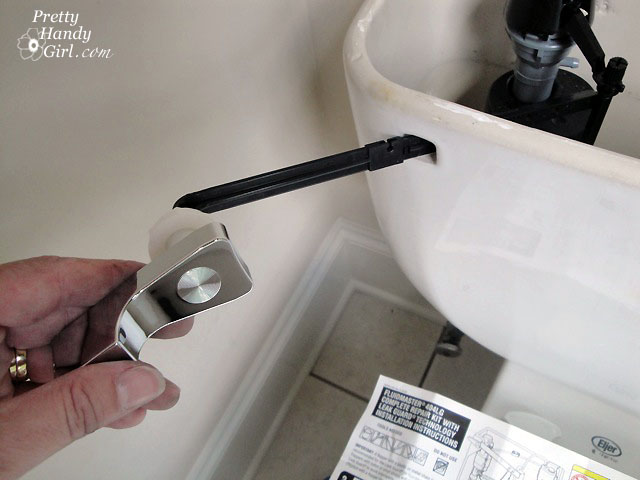
Remove the old flush lever and replace it with the new one.

Thread the lock nut back onto the new lever. Gently tighten the lock nut, but not too much. Over tightening could result in a cracked tank.


Replace the flapper chain on the new lever rod (picture below shows two chains, but you may only have one.) Adjust the chain so there is a slight amount of slack in the chain. Remove any excess chain that could get caught in the flapper (but leave an inch or two on the chain for adjustments).


Turn the water back on and let the tank fill.


Test the lever by depressing it. Replace the tank lid and test it again making sure that the flush lever rod doesn’t hit the top of the tank lid before lifting the flapper. Once it flushes properly, you are done!
That wasn’t hard, was it? Stay tuned as I show you how to replace the fill valve and finally how to replace the overflow tube and flapper assembly!

PHGFancySign

I’m not sure what I ever did to annoy Mother Nature, but it seems to me that every time I finish a project and need to photograph it, the weather turns ugly. Case in point: my cake stand was completed the day the tornadoes ripped through North Carolina. So I had to bust out some photography secrets I’ve learned.

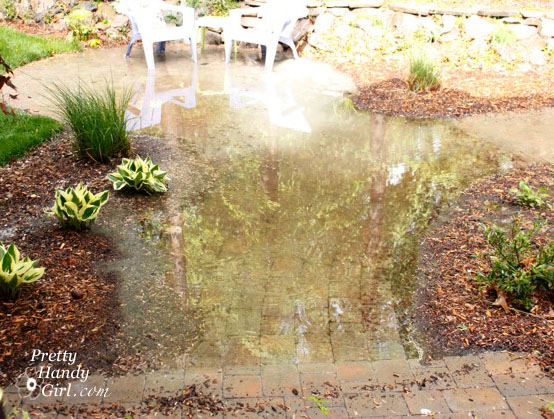
3″ of water flooding our front walk after the tornado.

But, rather than be deterred by some nasty weather, I decided to use a few tricks I learned from some professional photographers I’ve worked with over the years. And, from a few photography blogs like:

iHeartFaces.com and EverydayElementsOnline.com and My3Boybarians.

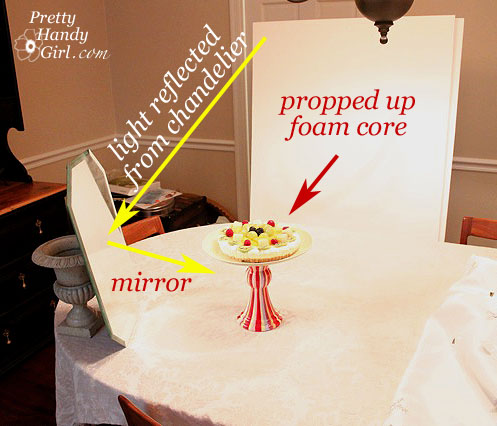
One of the photography secrets I learned was how to bounce the light back onto the subject. To light the underside of the cake stand, I set a mirror next to the cake stand and angled it to reflect the light onto the bottom of the stand. I was careful not to let a strong highlight hit on the stand from the reflection.

Next I used a foam core board propped up against a chair. I positioned the board back and forth until I saw the light brightening the cake stand and dessert.

With just those two changes I was able to change my cake stand photo from this:

to this! Va va vooom!

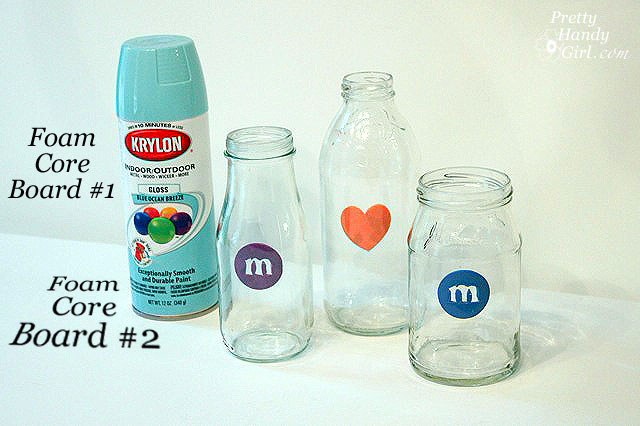
Another one of my photography secrets I used while shooting some of my tutorials is to use two pieces of foam core to get a professional looking white background.

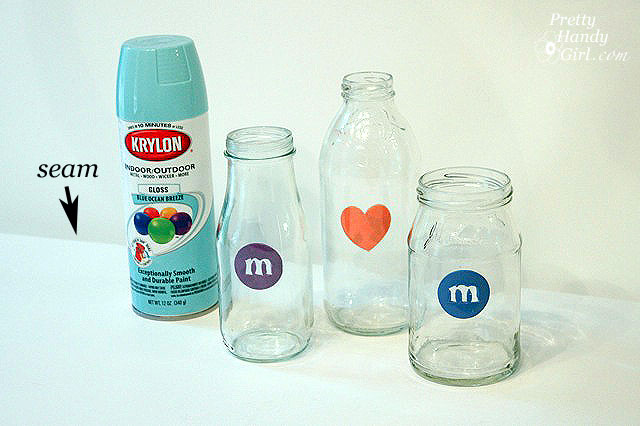
Sometimes if I’m feeling very perfectionist, I’ll use Photoshop to edit my photos. To erase the seam, I selected a color that is midway between the foreground and background foam core.

Then, I used the airbrush tool to paint out the seams that stand out.

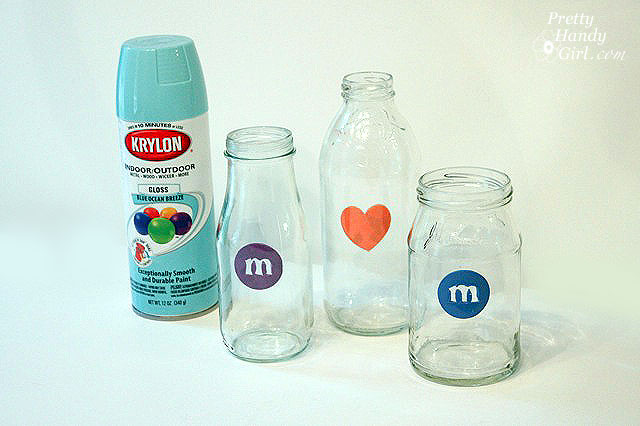
Sometimes I really want to photograph a still life in an environment. Take my spray-painted bottles for example:

Whoa, that is one dark and dreary photo. Once again, I had finished the project and the clouds rolled in. So, here is how I dealt with fickle Mother Nature.

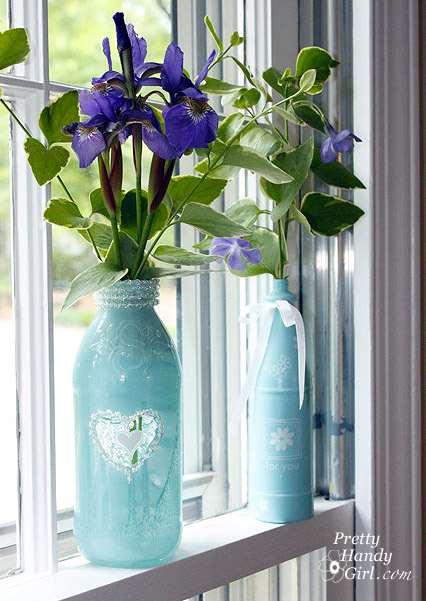
I put the bottles in the window to capture as much natural light as I could. Then, I backed away from my subjects and zoomed in with my lens. Next, I used a flash (egads, not a flash!) Yes, I used a flash, but I have the ability to change the flash exposure in my camera so it wouldn’t wash out the subject. And because I was far back from the vases, the flash wasn’t as harsh.

And here is the resulting photo!

I wouldn’t say it is perfect by any standards, but the photos look much more appealing. Don’t you think?

(At the time that I took the above photos, I didn’t have this great flash gadget. However, recently I ordered a Light Scoop and I love how it bounces the flash off the ceiling instead of the object. This is an inexpensive alternative to buying an external flash.)

To head off the inevitable camera question: I currently use a Canon T1i Rebel (SLR). However, I before I bought the Rebel I used a simple point and shoot camera and made some edits in Photoshop to compensate for the cheaper camera.

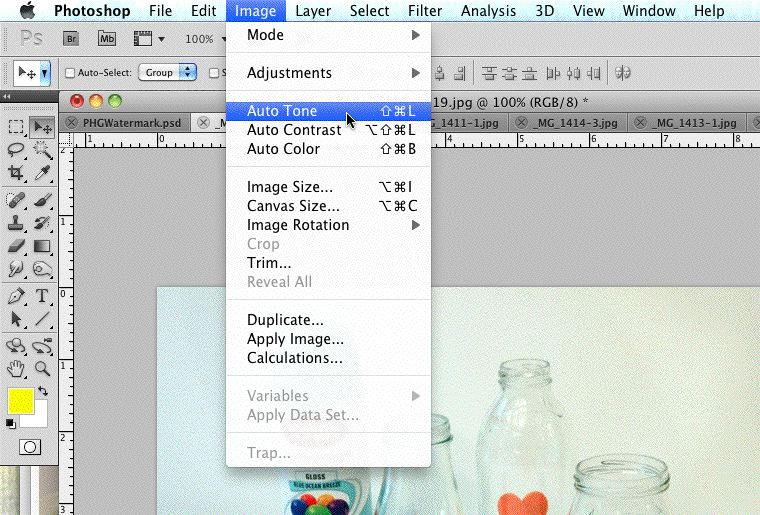
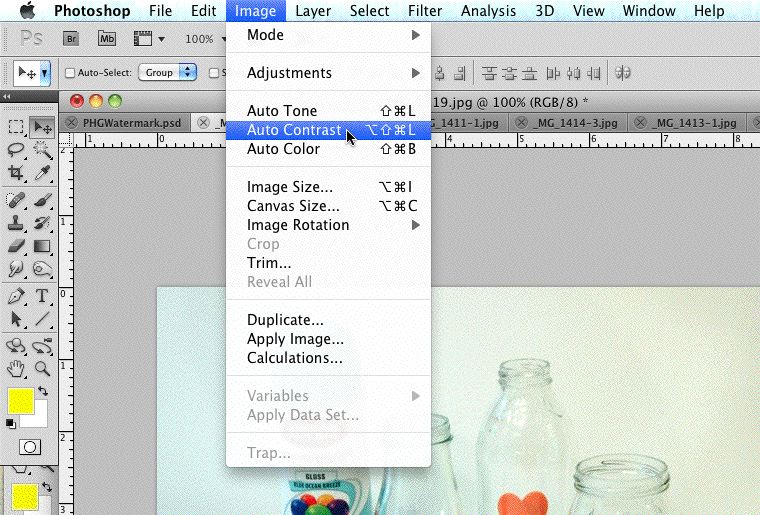
First I select Auto Tone and if I’m happy with the changes PS made, I move on to the Auto Contrast.

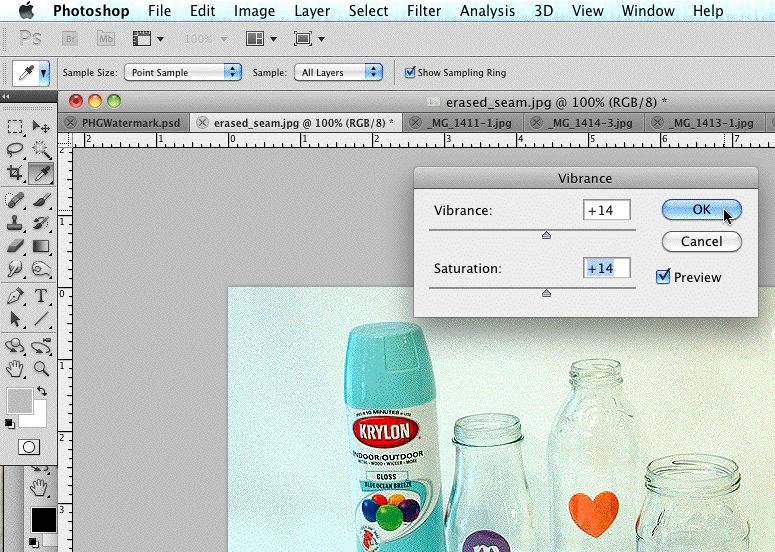
To make the colors more vivid, I play with the Vibrancy and Saturation Settings:

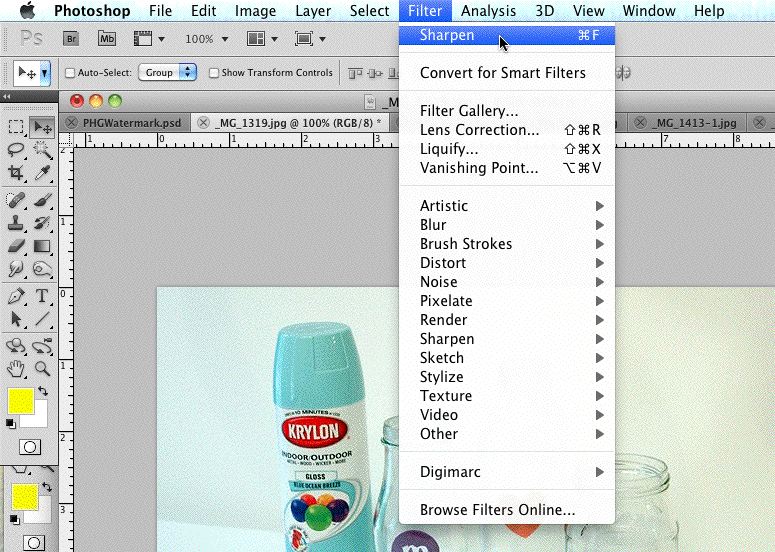
Finally, to give the details that crisp focus look, I add the Sharpen filter:

There are oodles of other fixes that Photoshop can perform on your photos, but these are the ones I use the most.

Do you have any photography tips or tricks? I’d love to hear them.

My friend Megan (Honey We’re Home) has a great post all about using your SLR! Check it out HERE.

Every so often, I’m at a loss for words. It doesn’t happen often (ask Pretty Handsome Guy). But, this week, I’ve been project dry. Too many other commitments I guess.

However, I have had a few non-DIY things that I’ve been meaning to share. So, I put together a little lite post just for those random thoughts.

I hope you had a wonderful weekend. Pretty Handsome Guy surprised me by making Sweet Potato Pancakes drizzled with my favorite chocolate from Escazú (our local chocolatier) and with chocolate dipped strawberries on the side. He REALLY knows the way to my heart.

I’ve been preparing for a sprint triathlon that will happen (with or without me) in two weeks. It is the Ramblin’ Rose, a women’s empowerment triathlon. This will be my third year participating in a sprint tri (notice how I said participate, because I sign up to complete not compete!)

2010 Ramblin' Rose Triathlon, Raleigh, NC

I’m a bit tentative about it this year because that sinus infection, plus lots of travel, have put a dent in my training regime. The good news is that I completed the bike/run portion on Mother’s Day so I’m feeling a little more confident. I’m not worried about the swim, I have become a good swimmer over the past three years. This is a direct result of training for my first triathlon in 2009. Believe me when I tell you I had never swum a lap in my life! Now I can swim for an hour and I LOVE IT!

Let’s see, what else did I want to share…oh right…two new iPhone apps I like.

Pinterest for iPhone! I seriously jumped out of my chair when I saw the announcement about this app.

Finally a Pinterest app so I can add “pins” while I’m browsing on my phone. Love it.

And if you know about Angry Birds (and simultaneously love and hate them as much as I do), you will appreciate this new children’s book that can be read to or read by your kids on your iPhone (or iPad).

Otto the Otter by Ian Mehr. This is a great little story about an otter who can’t swim. It is currently Free for download, but I suspect it will cost something in the near future. Considering I spent $2.99 on several Cat in the Hat book apps, this was a steal! I’m all about giving my boys something educational to occupy them instead of an extremely addictive video game.

Speaking of great ideas for the kids. I also wanted to tell you about Synonym Toast, a great new CD by Jeff Warren.

The CD is not your traditional kiddie music. I actually don’t mind listening to it because – well frankly – it ROCKS!. My boys can’t get enough of it. They have listened to this CD over 20 times each. My oldest’s favorite song is Rocket. I wonder if it has anything to do with the time we did THIS!

Hmm, searching my memory banks, please wait…ahhh yes, the last thing I wanted to share with you is that I had a fabulous weekend in my favorite town in America: Charlottesville, Va. We spent time with friends, went on a hike in the Blue Ridge Mountains, and most importantly I was able to purchase this:

That is a Mocha with Whip from my favorite coffee shop on the downtown mall, the Mudhouse. Oh, real chocolate shavings on my coffee, how I do miss thee! Okay, I’m drooling and now you know I truly am a Chocoholic. I even have a shirt that says: “Forget Love, I’d Rather Fall in Chocolate!”

I’m signing off now (as it seems this post has come full circle back to chocolate), but I hope to be back with a tutorial or two later in the week.